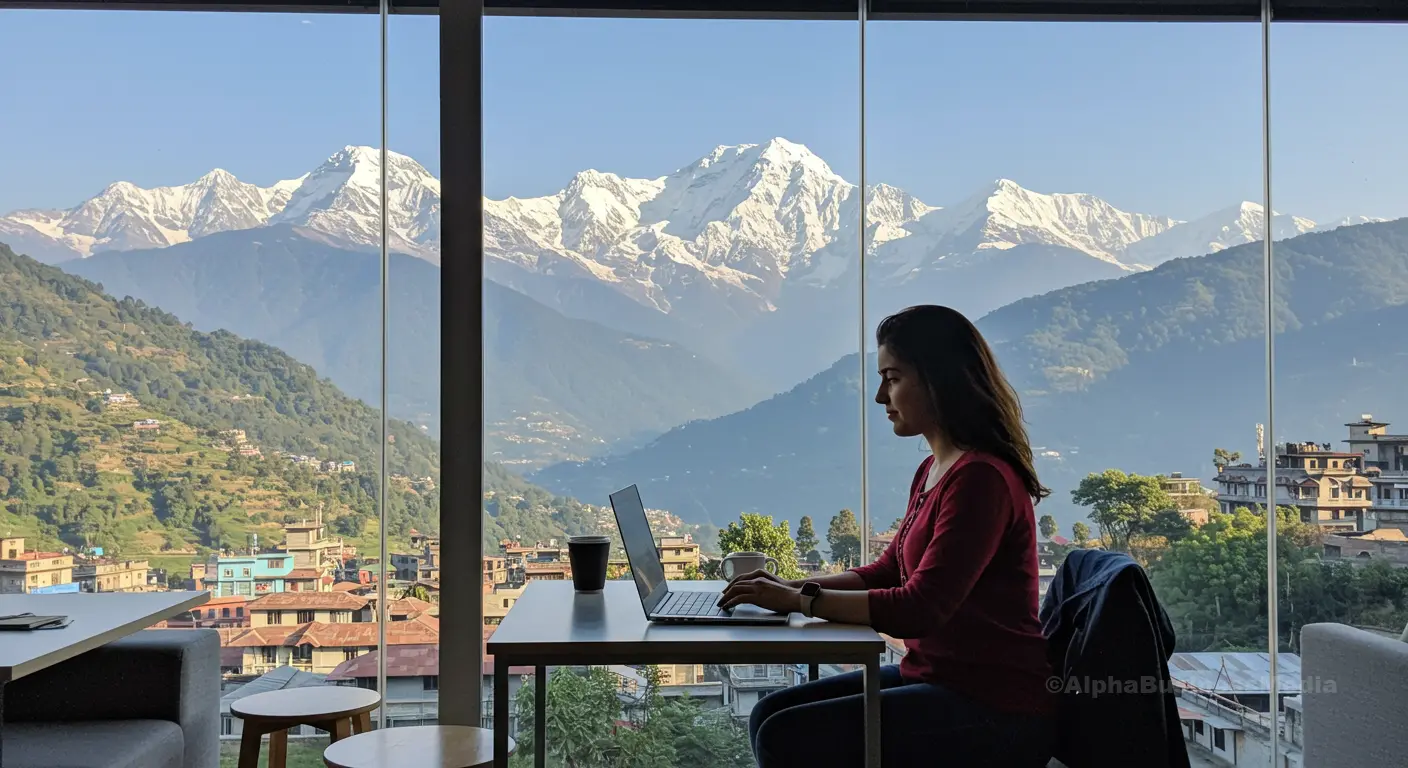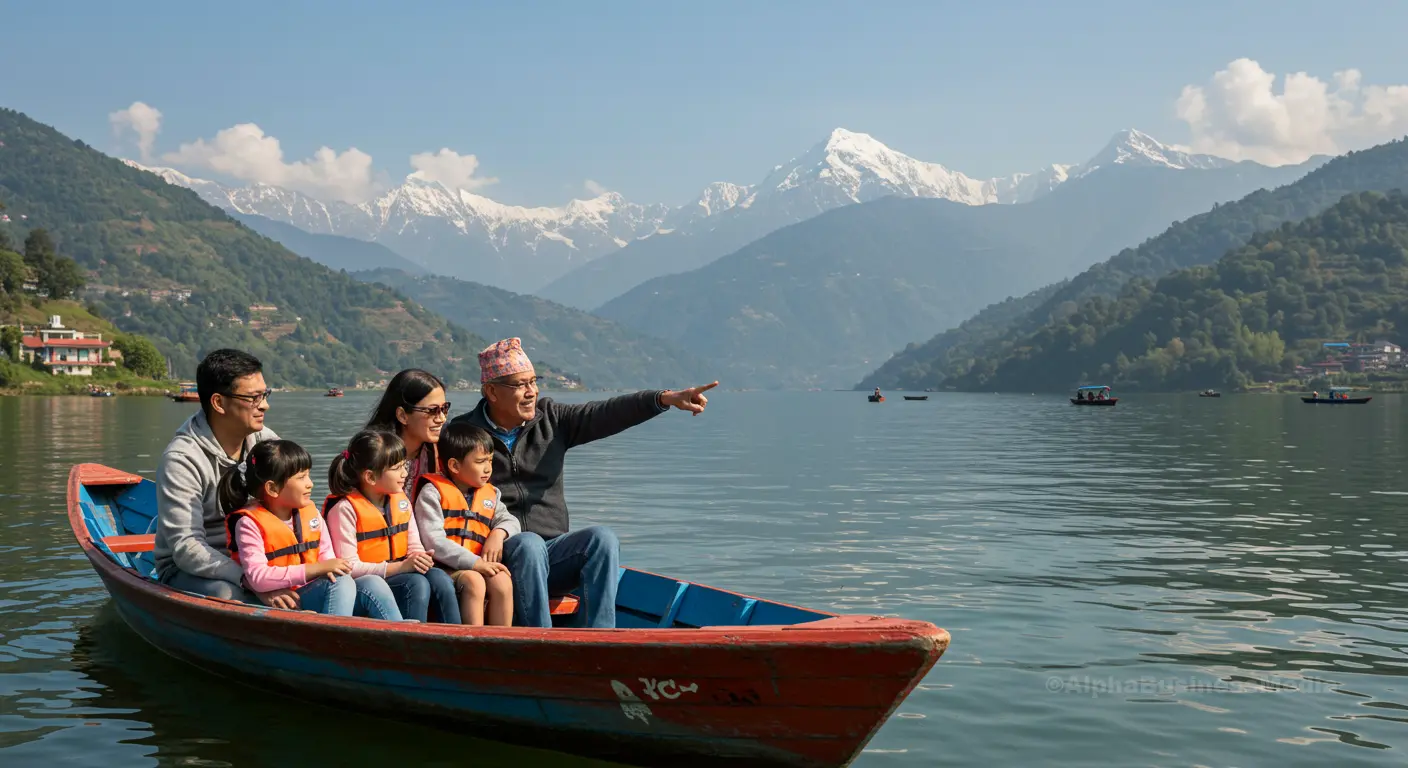
When it comes to tourism in Nepal, the imagination usually conjures up images of foreign trekkers conquering the snow-capped Himalayan peaks or pilgrims from around the world heading to the holy shrines of Lumbini. International tourism is, of course, the country’s most important source of foreign exchange and its calling card. However, in the shadow of this global attention, another equally important and, in times of crisis, irreplaceable segment of the industry often remains: domestic tourism..
The COVID-19 pandemic, which has paralysed international travel, has brought into sharp relief the importance of Nepali travel within their own country. Domestic tourists have been the lifeline that has kept many hotels, restaurants and travel companies afloat during the toughest times. But is domestic tourism just a temporary measure to support the return of international visitors, or does it have the potential to become a powerful growth driver for the entire industry in its own right?
In 2025, as Nepal works hard to rebuild and diversify its tourism sector, a deep understanding of the role and contribution of domestic tourists is critical. What is the real size of this market? What are the preferences of Nepali travelers? And what strategies can encourage them to explore the beauty and diversity of their homeland more actively? Alpha Business Media examines the current state of domestic tourism in Nepal, assesses its economic importance, and considers ways to further develop it.
1. Nepalese Travel: The Scale and Profile of the Domestic Tourist
Contrary to the popular belief that tourism in Nepal is predominantly the preserve of foreigners, Nepalese themselves are increasingly exploring their country.
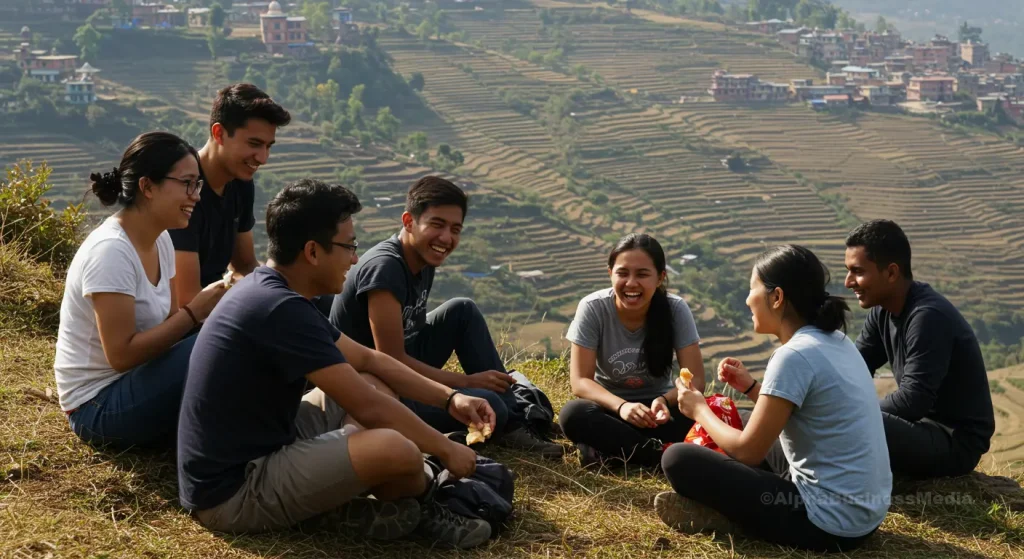
1.1. Statistics and dynamics: Growing trend
Accurate and comprehensive data on domestic tourism in Nepal is more difficult to collect than on international tourism, as there is no unified accounting system. However, individual indicators and expert assessments indicate a significant and growing market.
- Lumbini as an indicator: The sacred birthplace of Buddha, Lumbini is a key destination for both international and domestic pilgrims and tourists. In 2024, Nepali citizens accounted for the vast majority of the 1.17 million visitors to Lumbini – 759,990. This is an increase of 15.81% compared to 2023 (656,218 Nepali visitors).1These figures clearly demonstrate the scale of domestic pilgrimage tourism in just one, albeit very significant, place.
- Pokhara is a magnet for its own: Pokhara, the tourism capital of Nepal, is estimated to receive around 40-45% of the total tourists in the country.2Local tourism entrepreneurs note that domestic tourists account for about 30% of Pokhara’s annual hotel occupancy.2This shows that Nepalese people actively travel for recreation and entertainment.
- Overall ratings: Although there are no precise national figures on the volume of domestic tourism in monetary terms or in terms of the number of trips in the available materials, data on individual popular destinations and expert estimates indicate that this sector already plays a significant role in the economy and has significant potential for further growth.
1.2. Who is a Nepalese tourist? Motivation and preferences
The profile of Nepalese domestic tourists is quite diverse:
- Pilgrims: Religious tourism is one of the main drivers of domestic travel. Visiting holy places such as Lumbini, Pashupatinath, Muktinath, Manakamana, Gosaikunda is an important part of the cultural and spiritual life of many Nepalese.
- Students and youth: This group actively travels for educational and cognitive purposes, as well as in search of adventure and relaxation. Short weekend trips, mountain hikes, and visits to national parks are popular.
- Families: Family holidays, especially during school holidays and national holidays, also contribute to the domestic tourist flow. Preference is given to places with developed infrastructure, natural beauty and entertainment opportunities.
- City dwellers looking for outdoor recreation: The growing middle class in cities such as Kathmandu and Pokhara is increasingly seeking escapes from the bustle of the city in nearby mountainous areas, national parks or resorts.
- Corporate sector: Companies organize off-site seminars, training and corporate events for their employees, which also stimulates demand for accommodation and conference services in various regions of the country.

Nepalese tourists’ preferences include:
- Price availability: The cost of travel is an important factor.
- Natural beauties: Mountains, lakes, national parks.
- Cultural heritage: Temples, monasteries, historical places.
- Adventures: Trekking, rafting, paragliding (especially among young people).
- Comfort and safety: Especially important for family holidays.
1.3. Seasonality and geography of travel
Domestic tourism in Nepal, like international tourism, is subject to seasonal fluctuations. Activity usually peaks in the autumn months (September-November), when the weather is most favorable and major national holidays such as Dashain and Tihar take place. The spring months (March-May) are also popular. However, unlike many foreign tourists who avoid the monsoon season (June-August), Nepalese can travel during this time, especially to religious and cultural sites that are less dependent on weather conditions.
The geography of domestic travel covers the entire country, but several main areas can be identified:
- Religious centers: Lumbini, Pashupatinath (Kathmandu), Muktinath, Manakamana, Gosaikunda, Devghat.
- Popular tourist cities: Pokhara, Kathmandu, Chitwan (national park).
- Mountain areas and trekking routes: Although the long and challenging treks are more often chosen by foreigners, short and accessible treks around Kathmandu and Pokhara are also popular among Nepalese.
- Terai (Southern Plains): They attract pilgrims and tourists interested in the culture and nature of the region, especially during the winter months.
2. Domestic Tourism Contribution to Nepal’s Economy: More Than It Seems
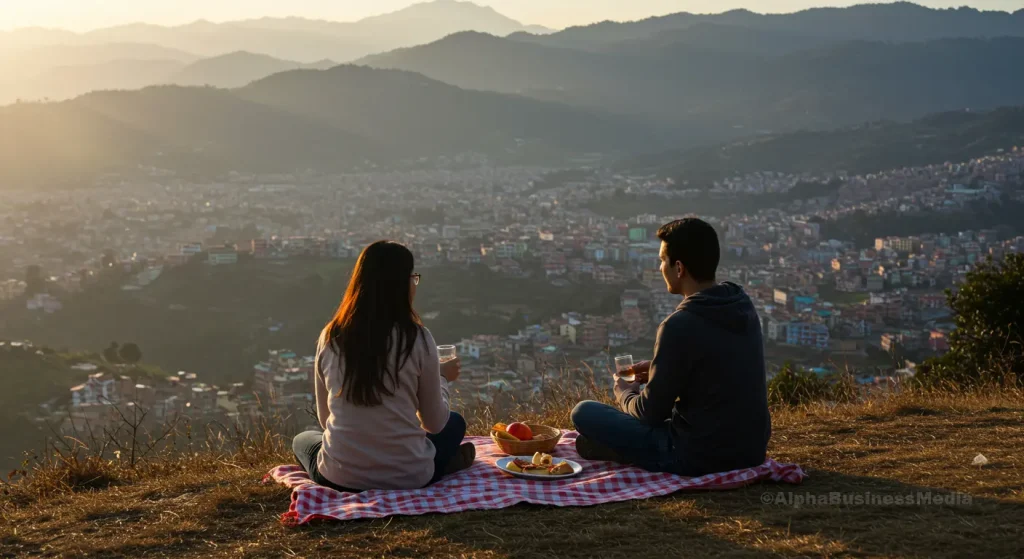
While accurately assessing the contribution of domestic tourism to Nepal’s GDP is difficult due to the lack of comprehensive statistics, its economic importance is undeniable, especially in the context of the sustainability and inclusiveness of the industry.
2.1. Support for SMEs and job creation in the regions
Domestic tourists are important consumers of services of small and medium enterprises (SMEs) in the hospitality sector – small hotels, guesthouses, restaurants, cafes, transport companies. This is especially true for regions less popular among foreign tourists, where domestic demand can be the main source of income for local businesses. The development of domestic tourism contributes to the creation of jobs directly in the tourism sector and in related industries (agriculture, crafts, trade) throughout the country, and not just in a few “promoted” centers.
2.2. Smoothing seasonal fluctuations and reducing dependence on external markets
Domestic tourism helps smooth out the sharp seasonal fluctuations that are typical of international tourism, as Nepalis also travel in the off-season, especially during national holidays and vacations. This ensures more stable occupancy of hotels and other tourist facilities throughout the year. In addition, a developed domestic market reduces the industry’s vulnerability to external shocks such as global economic crises, pandemics, or geopolitical tensions, which can sharply reduce the flow of foreign tourists. The experience of the COVID-19 pandemic has clearly demonstrated that domestic tourism can be a “safety cushion” for the industry.3
2.3. Stimulating infrastructure development in lesser-known regions
Demand from domestic tourists can become an incentive for the development of basic tourism infrastructure (roads, hotels, food outlets) in those regions that are not yet ready to receive large numbers of foreign guests, but have significant potential. Gradually developing infrastructure to meet the needs of the domestic market can further facilitate the attraction of international tourists to these new destinations.
2.4. Preservation of cultural heritage and development of national identity
Travelling around one’s own country helps Nepalis to better understand their cultural and historical heritage, strengthen their national identity and sense of pride in their homeland. Visiting holy places, historical monuments and getting to know the diversity of ethnic cultures enriches the spiritual world of citizens and helps to preserve traditions.
3. Strategies for Stimulating Domestic Tourism: From Words to Action
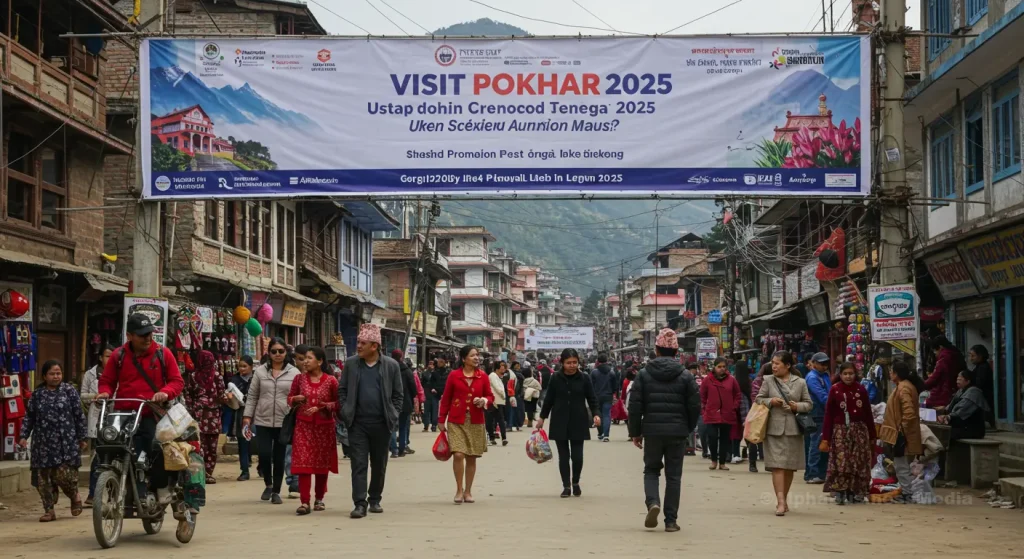
To unlock the full potential of domestic tourism and turn it into a powerful driver of growth, targeted and coordinated efforts are needed from the government, business and public organizations.
3.1. State policy and support
- Development of a national strategy for the development of domestic tourism: A separate strategic document is needed that defines the goals, priorities, target segments and mechanisms for supporting domestic tourism.
- Investments in infrastructure: Improving the condition of roads leading to popular and potential tourist sites across the country is a top priority.4Development of accessible and comfortable public transport.
- Creating accessible tourism products: Development of special tour packages aimed at various segments of domestic tourists (families, students, pilgrims, corporate groups), taking into account their purchasing power.
- Information support and promotion: Conducting nationwide information campaigns to promote travel in Nepal, creating quality travel guides, maps and mobile applications in Nepali. Active use of social media and digital platforms.
- Incentives through tax breaks and subsidies: Consideration of the possibility of providing tax deductions for citizens on expenses related to domestic travel, or subsidizing part of the cost of tour packages for certain categories of the population (for example, schoolchildren or pensioners).
- Development of tourism infrastructure in the regions: Support for the construction of budget hotels, guesthouses, campsites, and information centers in lesser-known but promising tourist areas.
- Calendar of events: Creation and active promotion of a national calendar of cultural, religious and sporting events capable of attracting domestic tourists to various regions.
3.2. Private Sector Initiatives
- Development of attractive offers: Hotels, tour operators and transport companies should develop special offers and discounts for Nepalese citizens, especially during the off-season.
- Improving the quality of service: Providing quality service that meets the expectations of domestic tourists.
- Cooperation and partnership: Combining the efforts of various market players (hotels, restaurants, transport providers, local communities) to create comprehensive and attractive tourism products.
- Investments in staff training: Training qualified personnel to work with domestic tourists, who know their preferences and cultural characteristics.
3.3. The role of education and media
- Inclusion of topics on domestic tourism in school and university programs: To develop interest in the younger generation in learning about their country.
- Active media coverage: Regular publications, TV and radio programs dedicated to the sights, cultural events and travel opportunities in Nepal. Popularization of successful travel stories and experiences of other Nepalese.
3.4. Examples of successful regional initiatives
Campaigns like “Koshi Province Tourism Year 2082 (2025/2026)”6 or “The Year of Visiting Pokhara 2025” 7, are good examples of how regional authorities and businesses can join forces to promote their territories. It is important that such initiatives are not one-off actions, but part of a long-term strategy and are accompanied by real improvements in infrastructure and quality of services.
4. Challenges and barriers to the development of domestic tourism
Despite the obvious potential, domestic tourism development in Nepal faces a number of serious obstacles.
4.1. Economic factors
- Limited purchasing power: For a significant portion of Nepal’s population, travel, even within the country, is still a luxury. Low income and lack of available funds are the main deterrents.
- High cost of tourist services: Prices for accommodation, food and transport in some popular tourist areas can be prohibitively high for the average Nepali, especially if they cater primarily to foreign tourists. VAT on air tickets also makes travel more expensive.9
4.2. Infrastructure problems
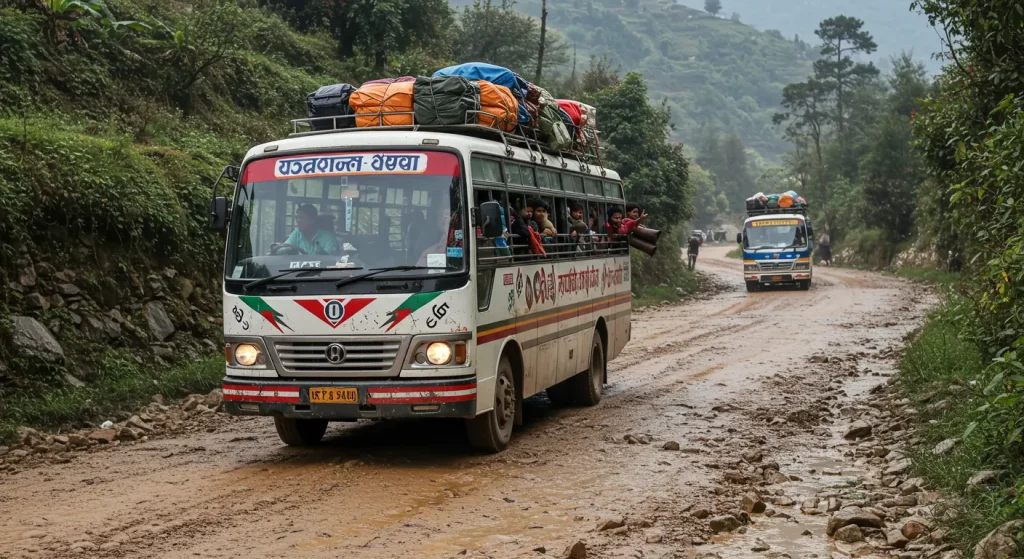
- Poor road conditions: As already noted, the unsatisfactory condition of the road network4 makes travel around the country long, uncomfortable and unsafe.
- Disadvantage of budget accommodation: Outside the main tourist centres, there may be a shortage of affordable, quality accommodation for domestic tourists.
- Limited public transport: Not always convenient schedule, low level of comfort and safety of public transport on intercity routes.
4.3. Information and cultural barriers
- Lack of information: Lack of accessible and systematized information on tourism opportunities, routes, attractions and services in Nepali.
- Weak domestic travel culture: Some of the population may lack the habit and motivation to travel within their own country; preference may be given to trips abroad (for example, to India) or passive recreation at home.
- Safety and hygiene issues: Concerns about road safety, food quality and sanitation in accommodations can discourage potential tourists.
4.4 Lack of coordination and consistent policy
Insufficient coordination of efforts between various government departments, regional authorities and the private sector, as well as the lack of a long-term and consistent government policy in the field of domestic tourism development are serious systemic barriers.
Conclusion: Domestic Tourism – A Strategic Asset for Nepal

Domestic tourism in Nepal is not just a “lifeline” for the crises in international tourism, but a self-sufficient and strategically important sector with huge potential for economic growth, job creation and strengthening of national identity. In 2025, amid efforts to restore and diversify the entire tourism sector, domestic tourism development should be a key priority.
The real contribution of Nepalese to the tourism industry is already significant today, especially in such segments as pilgrimage and visiting popular recreational areas.1However, to fully realize this potential, targeted and comprehensive strategies are needed.
Key areas for stimulating domestic tourism include:
- Improving transport and tourism infrastructure across the country, making travel more accessible, comfortable and safe.
- Development and promotion of accessible and attractive tourism products, targeting various segments of Nepalese society.
- Active information policy and educational programs, forming a culture of travel around one’s native country.
- Effective government support and coordination of efforts all interested parties.
Overcoming existing economic, infrastructural and cultural barriers will not only increase the volume of domestic tourism, but also make Nepal’s tourism industry more sustainable, balanced and inclusive. Domestic tourism is an investment in the future of Nepal, its economy, culture and citizens. And this investment, if approached correctly, can bring rich dividends.goal: to make travel in this amazing country more comfortable, safe, rich and memorable, attracting new customers and ensuring sustainable development of the industry for many years to come.
Source used
- Lumbini Records Tourist Arrival of 1.17 Million in 2024
- New Impetus To Boost Pokhara Tourism – The Rising Nepal
- Tourism industry is in trouble, but government’s response is tepid – The Kathmandu Post
- Insulate Tourism Sector From Setbacks – The Rising Nepal
- Karnali Corridor: Nepal’s Strategic Crossroads between China and India – myRepublica
- Promotion of tourist destinations underway in Koshi – The Rising Nepal
- Experience the Exciting ‘Visit Pokhara 2025’ Campaign – Nepal Hiking
- Nepal’s Tourism Capital Pokhara Gears Up for ‘Visit Pokhara 2025’ to Attract 2 Million Tourists from Across Asia and Beyond: Here’s more you need to know – Travel And Tour World
- Private sector has mixed reactions to 2025–26 budget – The Kathmandu Post
- HAN applauds tax exemptions for hotels, resorts – myRepublica