
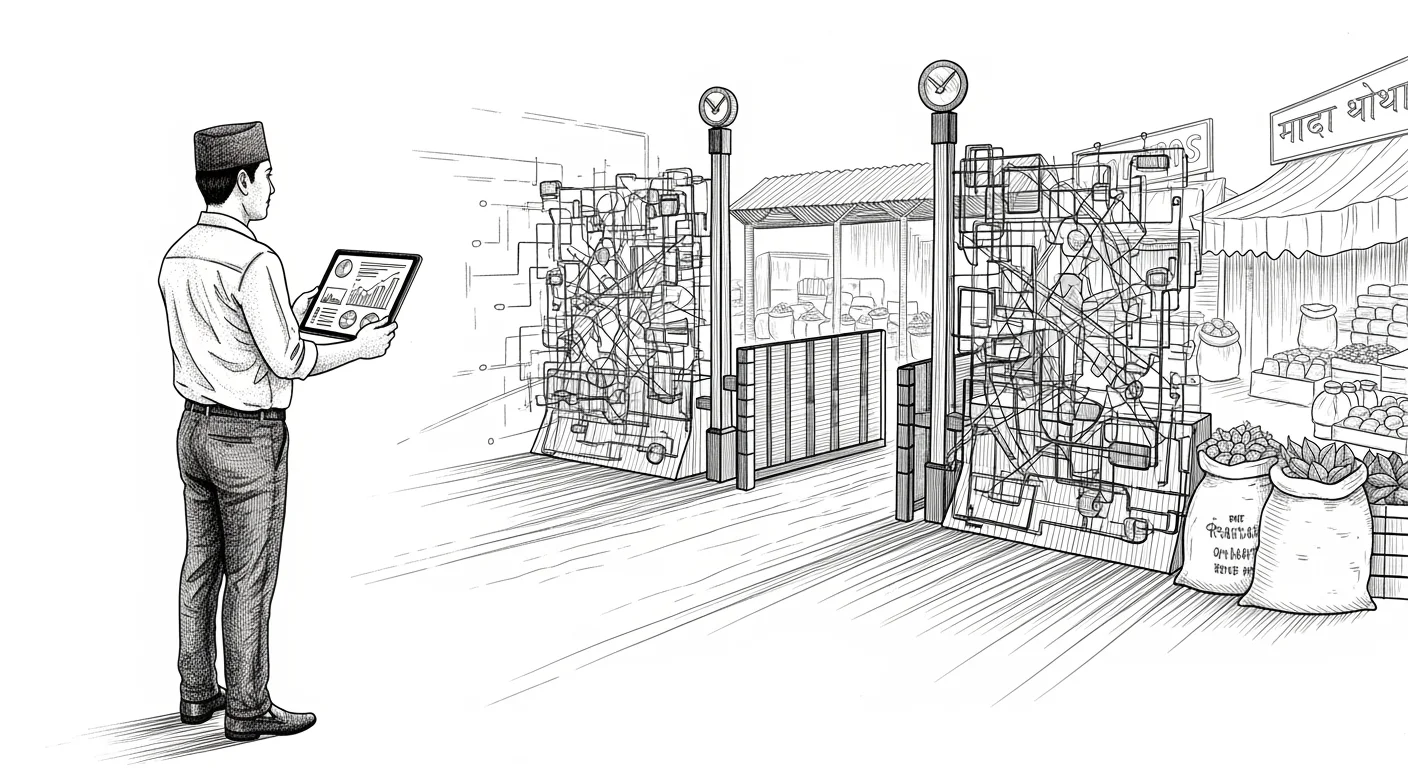
Nepali agriculture faces non-tariff barriers in Indian trade, necessitating market diversification for stability and growth.
Category: SECTORS
Deep dives into the key industries driving Nepal’s growth. Exclusive reports and market intelligence on agriculture, tourism, energy, and infrastructure development.
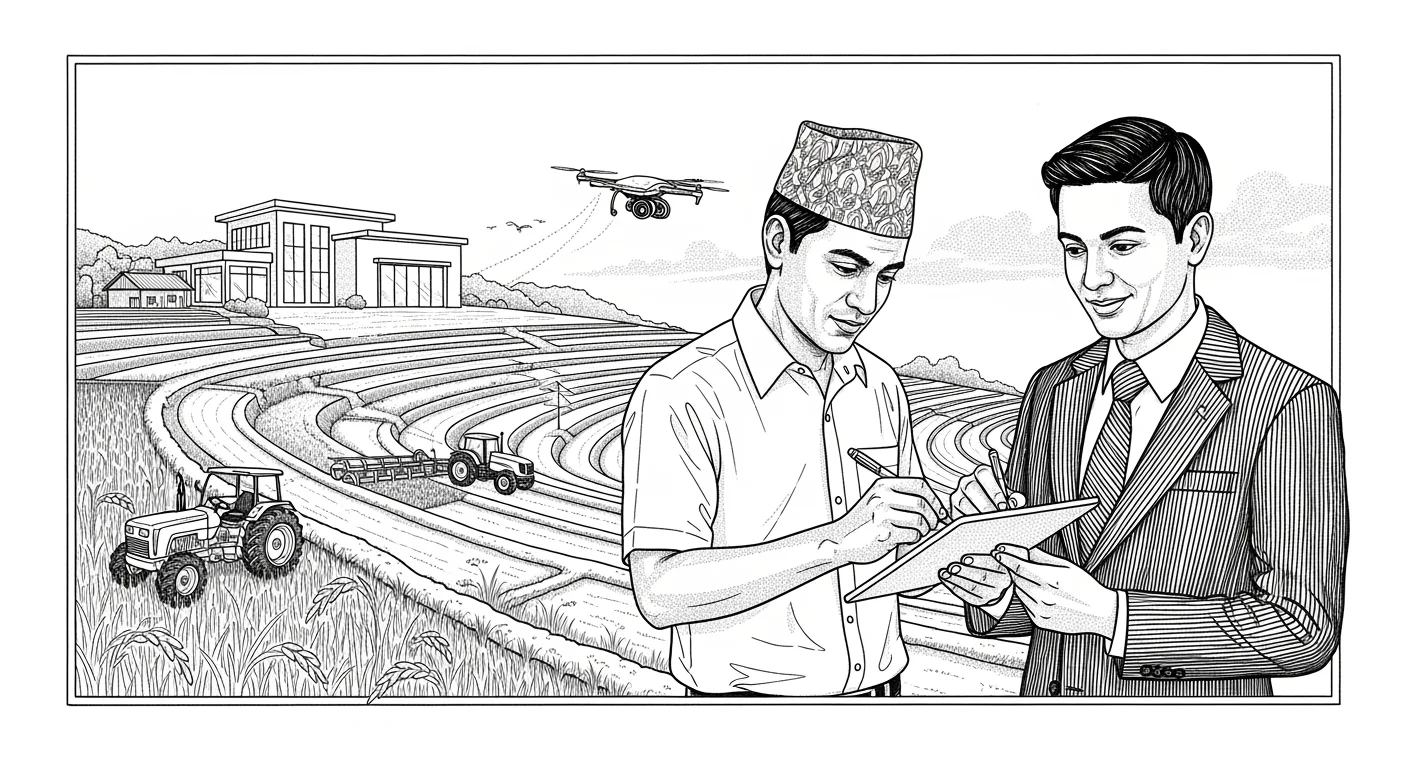
Nepal Agriculture 2026: The Legal Rise of Contract Farming
Nepal’s contract farming framework aims to enhance agricultural stability, linking smallholders with corporations for predictable supply.

High-Value Crops: Why Smart Money is Chasing Kiwi & Avocado
Investors are shifting to kiwi and avocado cultivation in Nepal, capitalizing on high demand and favorable economics over traditional crops.

Agribusiness Nepal: Solving the Cold Chain Missing Middle
Nepal’s agribusiness loses 20-30% of produce post-harvest; investing in refrigerated transport can enhance quality and profitability.

Nepal Agriculture 2026: The $150M Orthodox Tea Pivot
Nepal aims to pivot to a $150M Orthodox tea market by 2026, focusing on niche branding and overcoming certification barriers.
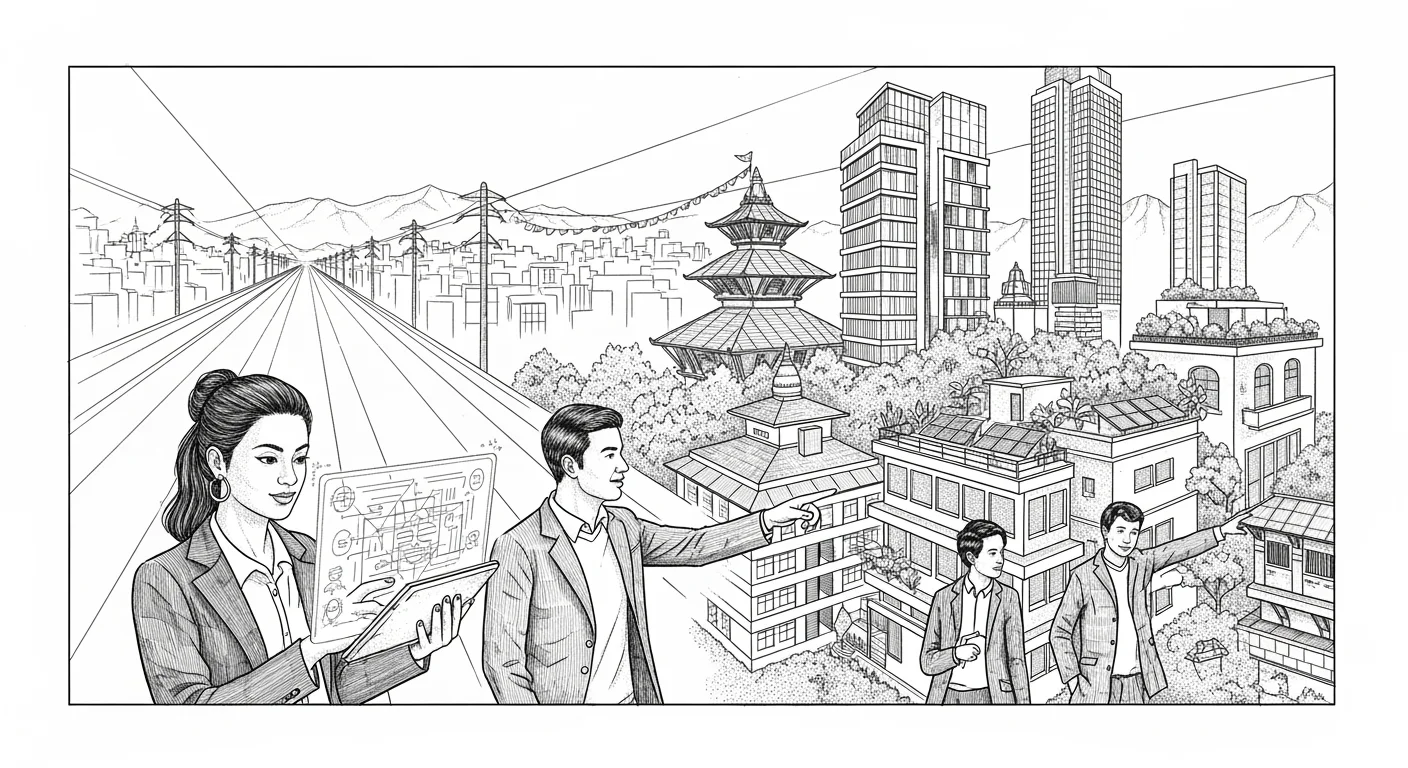
Future-Proofing Kathmandu: Smart Cities, Sustainable Housing
Explore Kathmandu’s future as a smart, sustainable city through innovative housing and urban planning solutions by 2040.
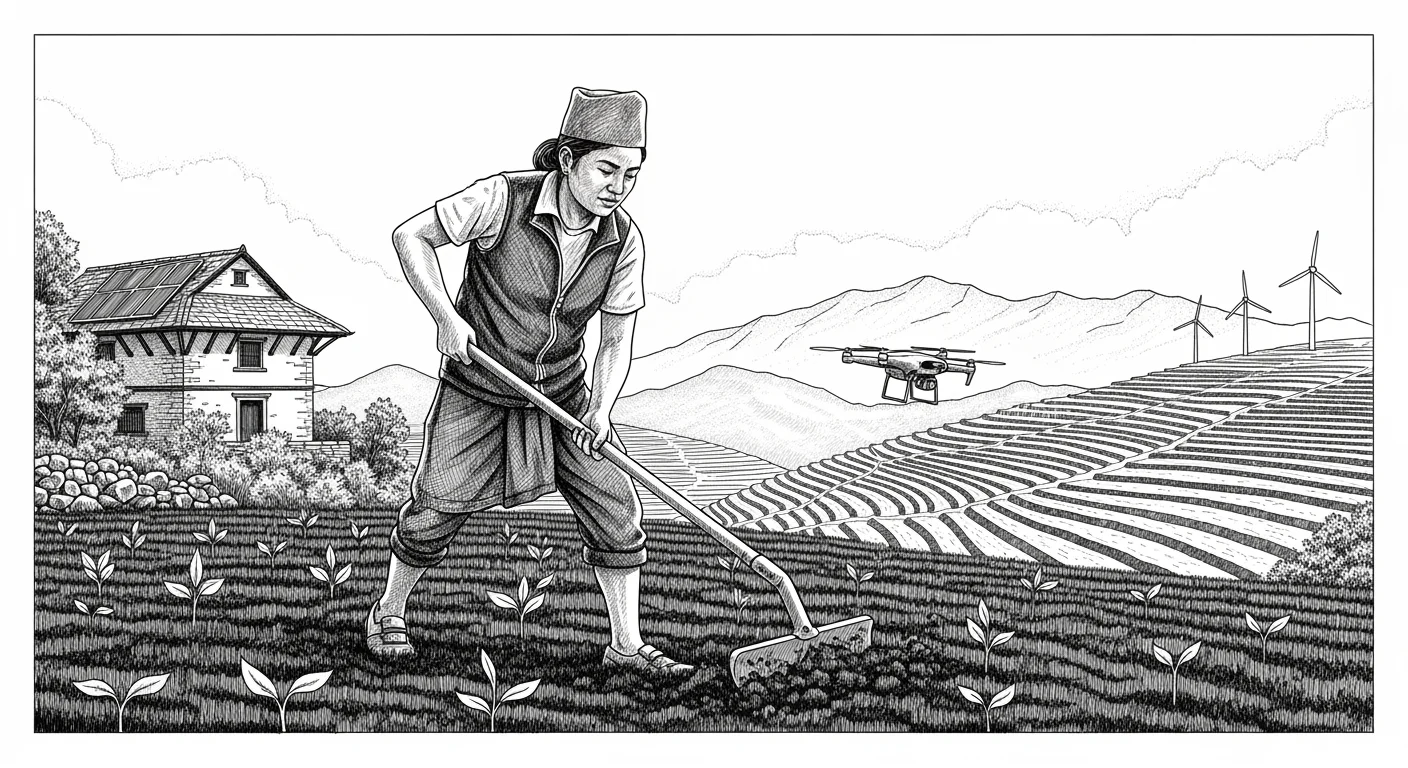
Regenerative Agriculture: Nepal’s Soil Health Revolution
Nepal’s soil health revolution through regenerative agriculture is key for food security, resilience, and economic sustainability.

Youth Innovators Feeding Nepal: Agri-Startups
Nepal’s agri-startups are transforming food security by leveraging technology to solve market failures and enhance supply chains.

The Greenwashing Risk in Himalayan Ecotourism: the Certification Gap.
The article examines the certification gap in Himalayan ecotourism, highlighting greenwashing risks and the need for transparent sustainability practices.
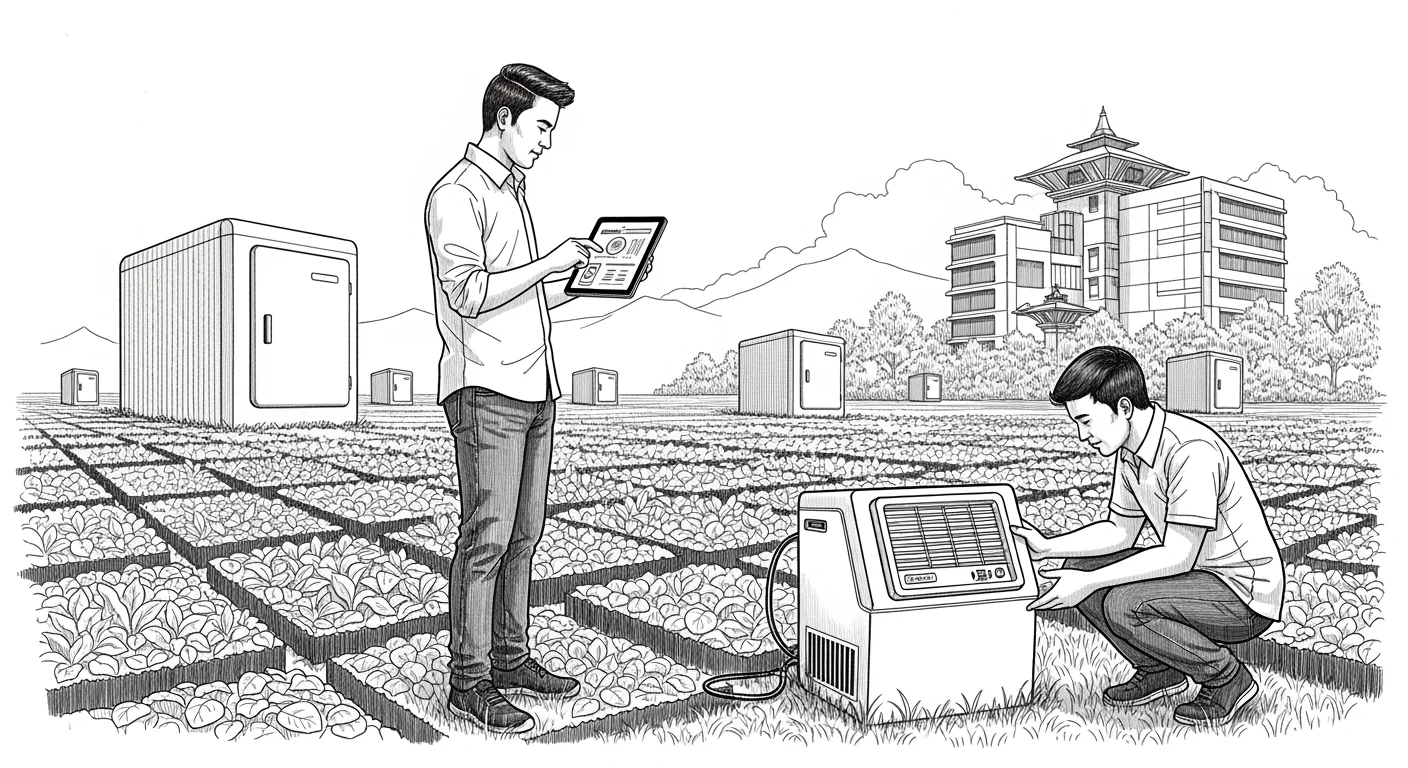
Agrotech: the Micro-Cold Chain Opportunity for High-Yield Investment?
Exploring the micro-cold chain as a service model for reducing agricultural waste and enhancing profitability for Nepali farmers.