
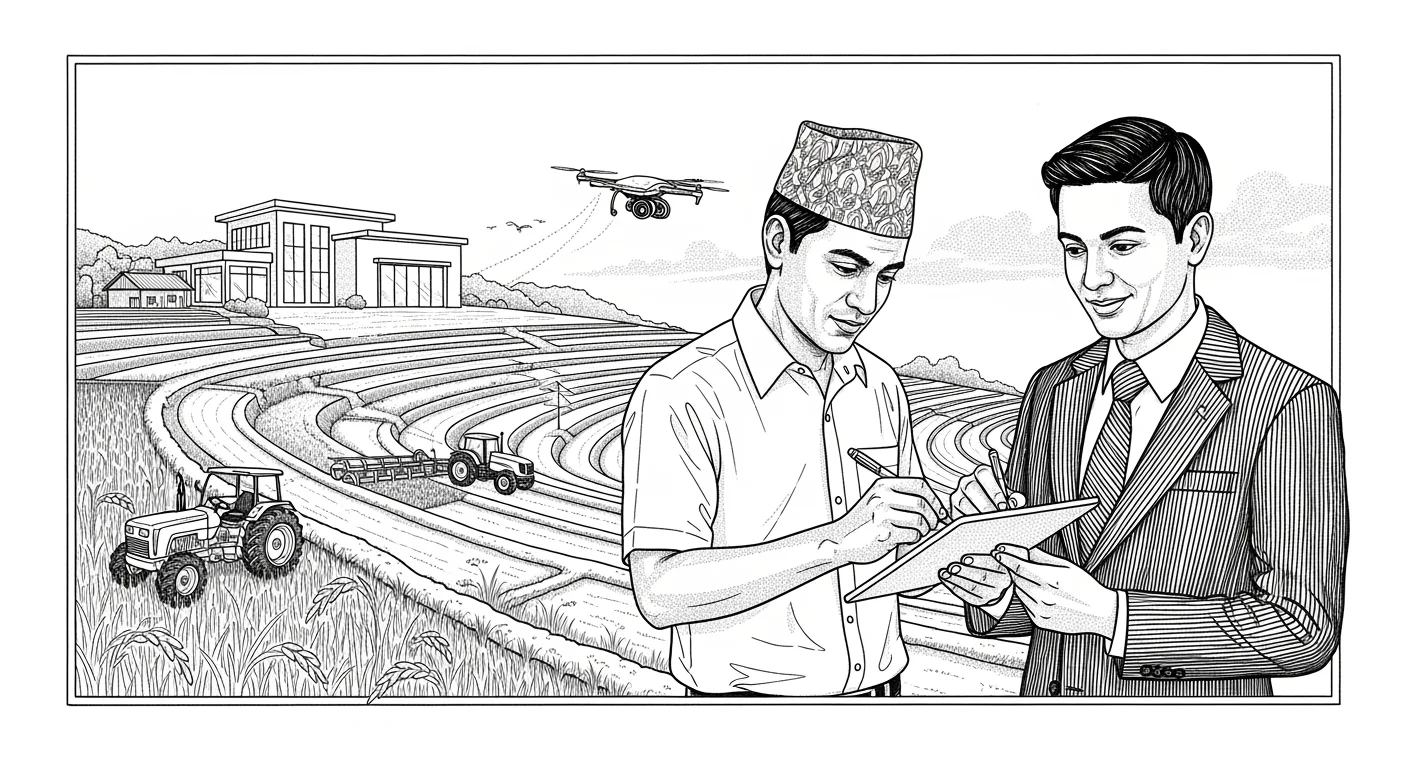
Nepal’s contract farming framework aims to enhance agricultural stability, linking smallholders with corporations for predictable supply.
Tag: agribusiness

High-Value Crops: Why Smart Money is Chasing Kiwi & Avocado
Investors are shifting to kiwi and avocado cultivation in Nepal, capitalizing on high demand and favorable economics over traditional crops.

Ops Excellence: Killing Jugaad to Scale Beyond $10M
The article discusses overcoming the “jugaad” mentality in Nepali SMEs to achieve scalable growth and attract institutional capital.

Agribusiness Nepal: Solving the Cold Chain Missing Middle
Nepal’s agribusiness loses 20-30% of produce post-harvest; investing in refrigerated transport can enhance quality and profitability.

Family Business 2026: Surviving the Third Gen Curse
Nepal’s family businesses face a succession crisis; a Family Constitution and decoupling ownership from management are essential for survival.

Why Second-Generation Leaders Fail and How to Build Lasting Dynasties
Nepal’s family businesses face a succession crisis as 60% fail to transition to the second generation due to skills mismatch and poor financial practices.

Youth Innovators Feeding Nepal: Agri-Startups
Nepal’s agri-startups are transforming food security by leveraging technology to solve market failures and enhance supply chains.

Agricultural Sector in Challenge of Modernization: How Effective are New Technologies and Government Subsidies in Nepal?
Despite its importance, Nepal’s agricultural sector faces a number of serious challenges. One of the key ones is low productivity and crop yields.
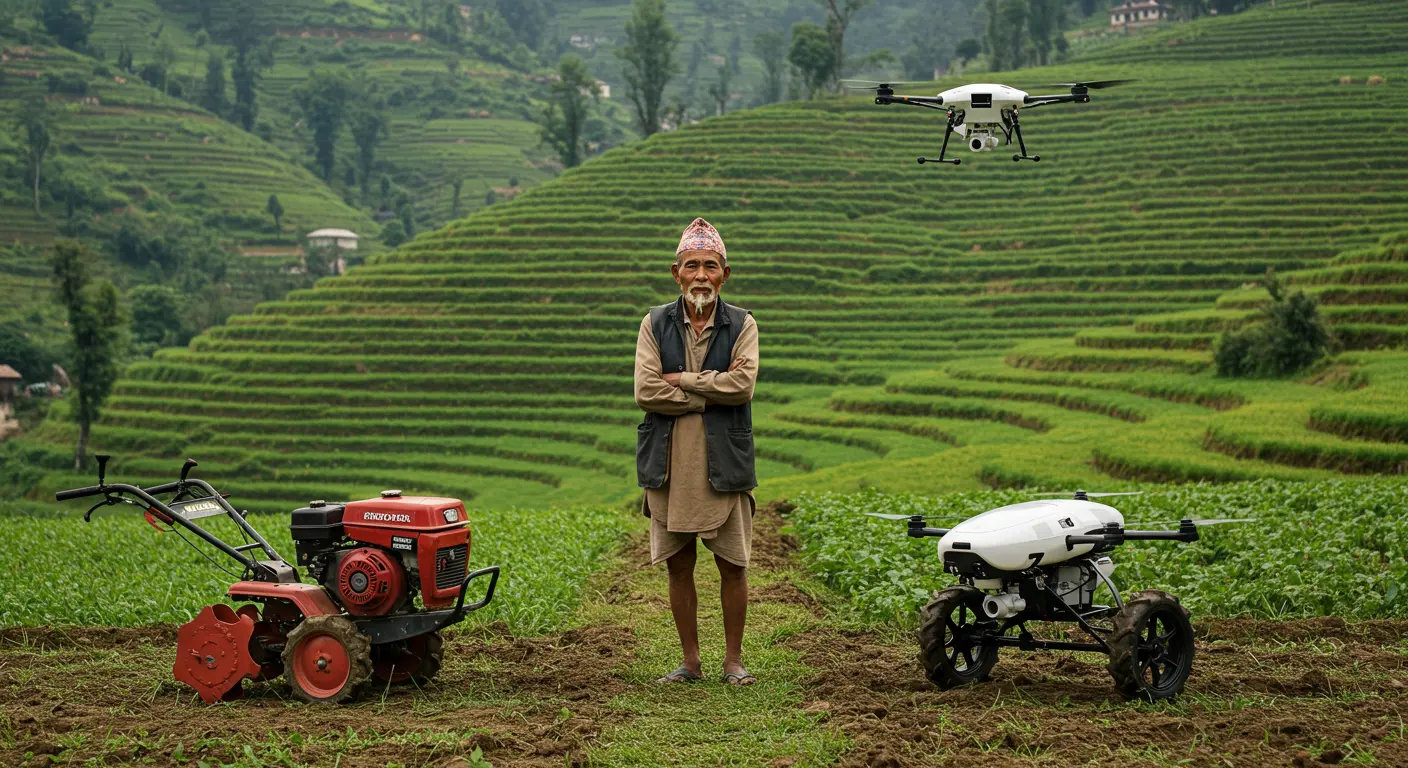
Tractor on Credit or Drone for rent? Modern Agricultural Technologies for Small and Medium-sized Farms in Nepal
The Nepalese farmer today faces a complex of interrelated problems. Labor productivity remains low due to the widespread use of traditional farming methods that have been passed down from generation to generation
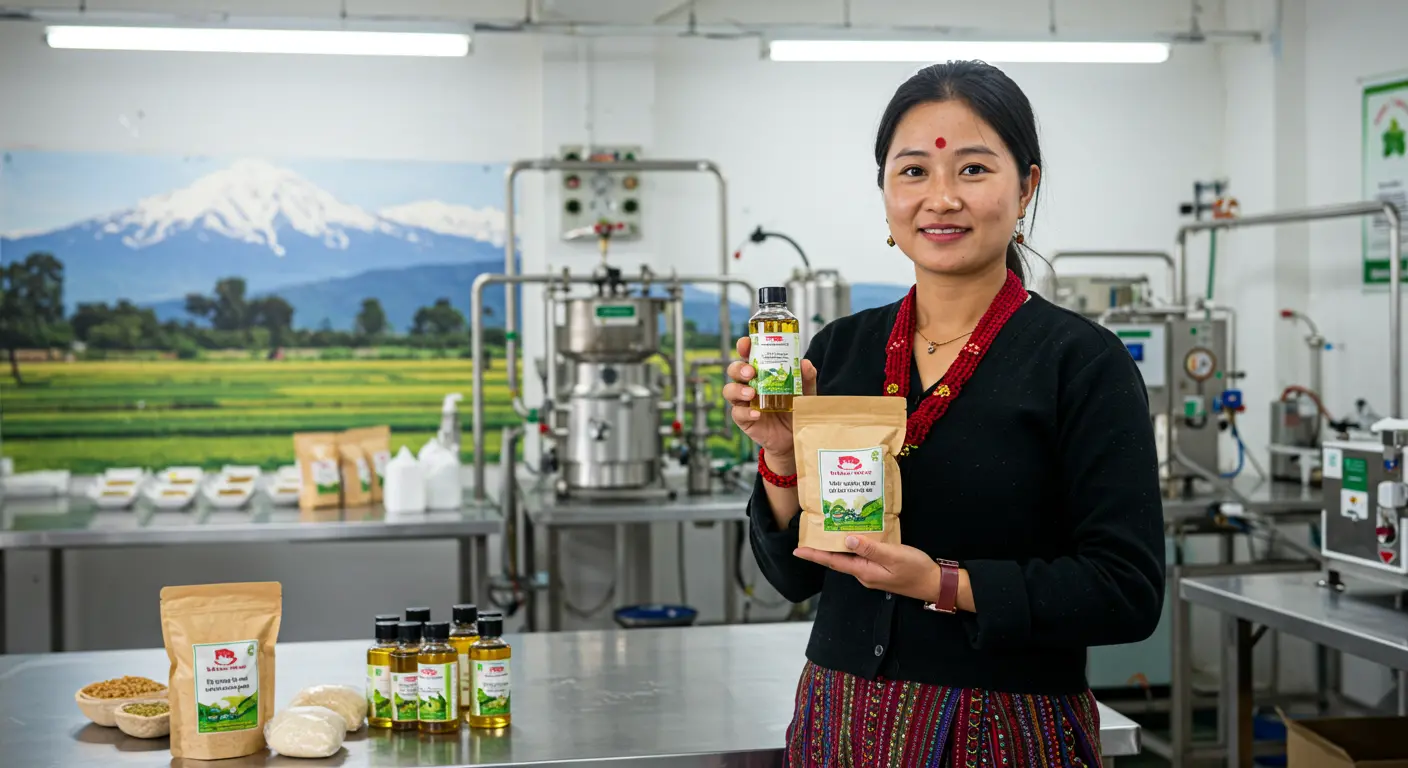
From Traditional Knowledge to Innovative Products: How Nepal is Turning Its Biodiversity into Global Brands
Nepal today stands at a crossroads. On the one hand, the country has a rich reserve of raw materials – endemic plants, unique agricultural crops and centuries-old traditional knowledge about their use.