
A New Front in the Battle for Personnel
Nepal today is the scene of a quiet but fierce battle. This is not a fight for markets or resources, but a battle for the most valuable asset of the 21st century – talented people. Every year, thousands of skilled professionals and ambitious graduates go abroad in search of better opportunities, creating an acute labor shortage in the country. The companies left on the “battlefield” are entering a wage race, trying to poach the best employees from each other. But this strategy is a dead end. Raising wages only gives a temporary effect and drains business resources.
The real competitive advantage today is not financial. It is about understanding the deep, unobvious motivations that make people not just come to work, but connect their future with it. Today’s employees, especially millennials and Generation Z, are looking for more than just money. They are looking for meaning, development, respect, and the opportunity to influence what is happening.

This article offers a different perspective on talent retention. We will look at seven creative non-financial motivation strategies that will help Nepalese companies not just survive the talent war, but win it by creating a work environment that people will not want to leave.
Why money isn’t everything?
Before we get into the strategies, it’s important to understand the context. The “brain drain” isn’t just a statistic; it’s a reality shaping the labor market. But behind the numbers is an important psychological shift. People who are well educated and have options are no longer content to be mere performers. They see the opportunities the world offers and want to be not cogs in the machine, but its pilots.
Simply high salary in a toxic environment where there is no growth and respect leads to rapid burnout. Today’s battle for talent is a battle for their minds and hearts, not just their wallets.
Seven Non-Obvious Strategies for Winning

Strategy 1: “Micro-entrepreneurship” within the company
What’s the gist:Stop simply delegating tasks. Empower employees to become “micro-entrepreneurs” within your company. Give them a small budget, a clear goal, and complete freedom to choose the tools to achieve it. This is not just a transfer of responsibility, it is a transfer of the right to experiment, to make mistakes, and, ultimately, to succeed.
Why it works in Nepal:The spirit of entrepreneurship is strong in Nepalese culture. Many dream of starting their own business, but are afraid of risks. By providing a “sandbox” for the implementation of their ideas, the company gives the employee invaluable experience and a sense of ownership. He is no longer just “working for someone else”, he is developing his own mini-project.
Example:The marketer gets a small budget and complete freedom of action to launch an advertising campaign for a new product on social networks. He chooses the platforms himself, creates content, analyzes the results. His success is his personal victory, and not just a completed assignment.
Strategy 2: Adult Transparency: Financial Literacy and Participation in Success
What’s the gist:Enough with general phrases like “the company is doing well.” Start sharing real, albeit simplified, financial indicators with your team. Explain how each individual employee’s work affects overall profits, how their effective decision saved the company money, how a successful project increased revenue. This is not just information, this is financial education.

Why it works in Nepal:This builds trust, a core value in Nepalese society. When a manager is open about finances, he or she shows that he or she views employees as partners. This transforms work from a mere performance of duties to a conscious participation in a common cause.
Example:Once a quarter, the CEO holds a meeting where he explains the last quarter’s profit and loss report in plain language. He shows, “Because IT optimized the servers, we saved Rs X. And sales, thanks to the new strategy, brought us Rs Y in profit.”
Strategy 3: “Career constructor” instead of a career ladder
What’s the gist:The traditional career ladder with its limited number of steps is outdated. Offer employees a “career constructor”. Let them “assemble” their role by adding skills and responsibilities from related areas. This is not vertical, but horizontal growth aimed at diversifying experience.
Why it works in Nepal:Many people go abroad specifically for the diverse experience. By providing the opportunity to gain this within the company, you eliminate one of the main reasons for leaving. It is a more flexible and personalized approach that shows that the company values the employee’s individual aspirations.

Example:An IT specialist who is interested in data analysis gets the opportunity to dedicate 20% of his working time to projects in the analytics department. Officially, a new skill is added to his job responsibilities, which makes his resume more powerful.
Strategy 4: Social Capital as Currency: Building Professional Networks
What’s the gist:Start purposefully helping your employees build their professional networking. Pay for their participation in industry conferences, organize meetings with opinion leaders, create a mentoring program where top managers share not only their experience, but also their contacts.

Why it works in Nepal:Having connections (not in the negative sense of “chakari”, but in the sense of professional contacts) plays a huge role in a career. By helping an employee expand his network of contacts, a company gives him value that cannot be measured in money. It is an investment in his long-term success, which shows that the company cares about his future, and not just about the current tasks.
Example:The company sends its best programmer to a technology conference in India or Singapore and helps him meet key speakers.
Strategy 5: “Reverse Mentoring”: When Experience Learns from Youth
What’s the gist:Create pairs where a young, tech-savvy employee becomes a mentor to an experienced top manager. Mentoring topics: new technologies, social networks, digital trends, the way of thinking of the new generation.
Why it works in Nepal:This strategy respectfully breaks traditional hierarchy. It gives a voice to younger employees, makes them feel important and their unique knowledge is valuable. For senior managers, it is an opportunity to stay “in the know” and better understand their younger colleagues and clients. It is a powerful remedy for the feeling of “my boss doesn’t understand me.”
Example:A 24-year-old SMM specialist meets with a 50-year-old CFO every two weeks and explains to him how TikTok marketing works and how it can be used to promote the company’s brand.
Strategy 6: Flexibility as a sign of trust: focus on the result, not the clock
What’s the gist:It’s more than just working from home. It’s true flexibility, based on trust. The company focuses not on how many hours an employee spent in the office, but on what result they produced. This could be a four-day work week, project deadlines instead of a 9-5 schedule, or permission to work from their home village for a month.

Why it works in Nepal:Family is an absolute value. Being able to devote time to family matters without feeling guilty is a huge plus. In addition, transportation problems in Kathmandu make a tight schedule a daily stress. This strategy directly addresses the main domestic problems of many employees.
Example:The accounting department is switching to a results-oriented work system (ROWE). The main thing is that monthly reports are submitted on time and without errors. Employees decide themselves where and at what time they will do this work.
Strategy 7: Mission with Local Focus: Contributing to Nepal’s Development
What’s the gist:Link your company’s mission to something bigger and more meaningful – the development of Nepal. And this is not just corporate social responsibility like planting trees. It is integrating the national mission into the core of your business.
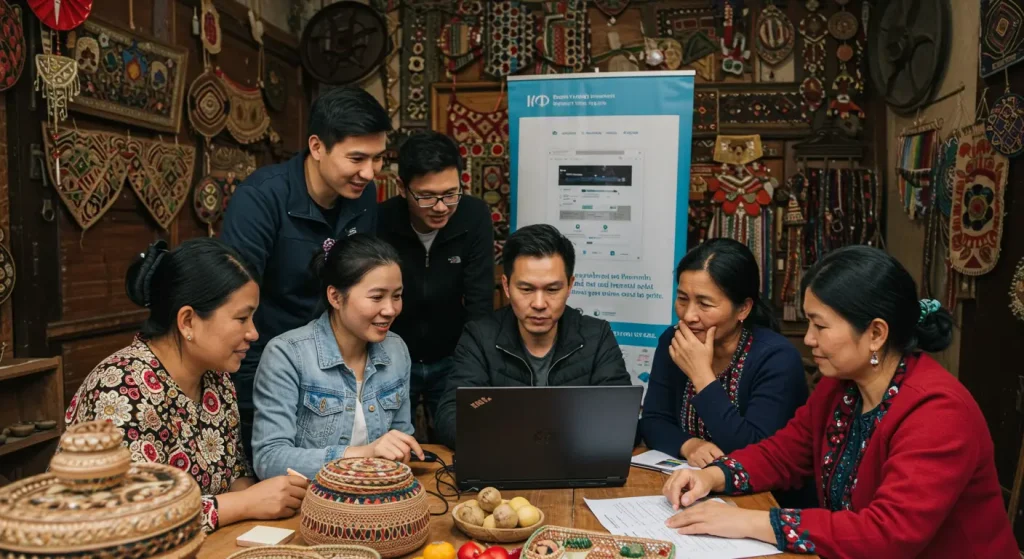
Why it works in Nepal:Nepalese have a strong sense of national pride and a great desire to see their country prosper. Talented professionals who might otherwise leave often stay if they see an opportunity to contribute to their homeland. If their work gives them this feeling, it becomes a powerful motivator.
Example:The IT company positions its mission not as “we make convenient apps” but as “we help Nepali businesses go global with digital technologies.” It regularly shares success stories of its local clients and encourages employees to spend their work time volunteering for non-profit organizations.
Conclusion: Investing in People is the Best Strategy
In today’s battle for talent in Nepal, the winner is not the one who pays the most, but the one who gives the most. Not money, but opportunities, trust, meaning, and respect. Implementing these seven strategies requires leaders to shift their paradigms: from control to trust, from hierarchy to partnership, from task-sharing to opportunity creation.

Intangible incentives are not a substitute for fair pay. They are a necessary complement to them, creating a sustainable competitive advantage. Companies that learn to invest in human capital as diligently as they do in capital will not only retain the best employees, but will also attract new ones, building businesses that will thrive in Nepal for years to come.