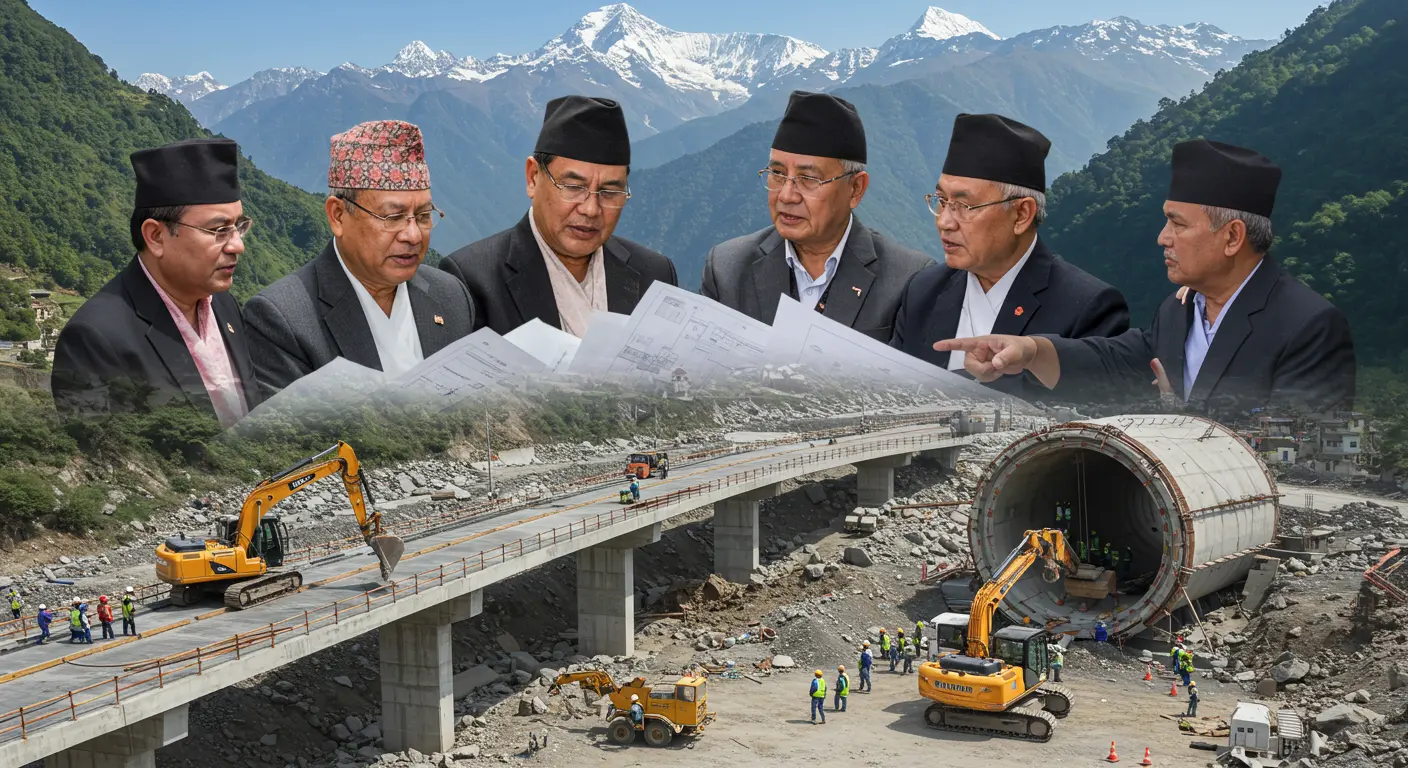
Nepal today is a complex mosaic of narratives shaped by a decade-long transition from a monarchy to a federal republic, the aftermath of a devastating civil war, and its position between two giants, India and China. A close analysis of dominant discourses in society reveals a country in active search for national identity, economic prosperity, and social equality, while political instability and external influences remain defining factors.
Below is an analysis of the key narratives shaping public and political discourse in Nepal in 2024-2025.
Political Discourse: Between Reconciliation, Reform and Instability
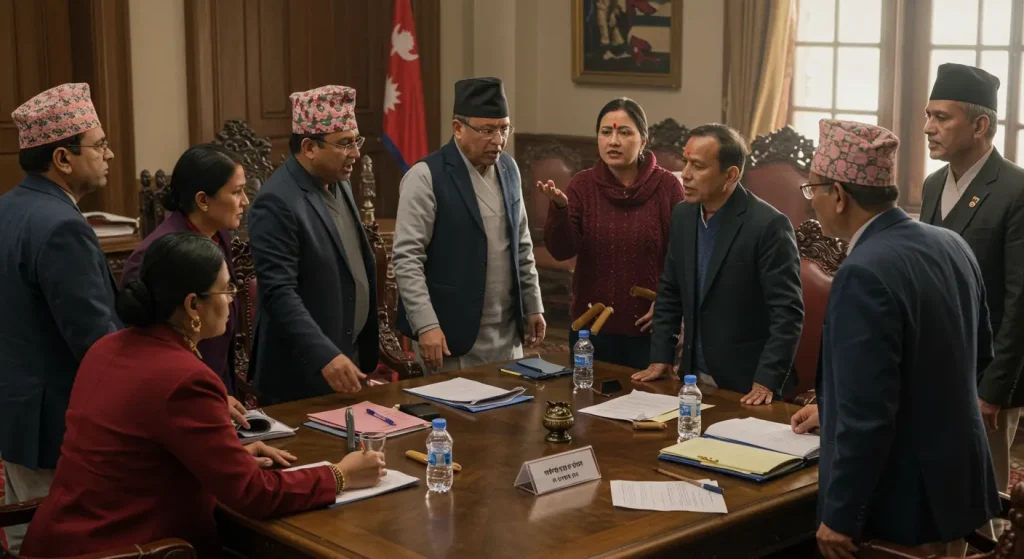
1. The narrative of the “unfinished peace process” and transitional justice: Almost two decades after the end of the civil war (1996-2006), the narrative of the need to complete the peace process and ensure justice for the victims of the conflict remains central. A key element of this discourse is the recent adoption of the transitional justice law.
- Dominant view: Government coalitions, often made up of former war foes (the Maoist Centre and the Nepali Congress), promote “reconciliation” through truth and reparations commissions. This approach, however, has been heavily criticized.
- Counter-narrative: Civil society groups, human rights defenders and associations of conflict victims argue that the amendments to the law are aimed at granting amnesty to those responsible for serious human rights violations. They insist on prosecution and accountability, arguing that without genuine justice it is impossible to build sustainable peace. This discourse is actively supported by international human rights organizations.
2. The narrative of political instability and the need for reform: The chronic instability of successive government coalitions has given rise to a narrative in society about the failure of the current political class.
- Dominant view: The main political parties explain the frequent changes of government by the “necessity” of building consensus in a fragmented parliament.
- Counter-narrative: There is a growing demand in society, especially among young people and in independent media, for a “new politics”. This discourse criticizes the culture of nepotism, corruption and constant bargaining for power between old leaders. The emergence of new political forces and independent candidates in the recent elections is a direct consequence of this narrative, which calls for electoral reform and renewal of political elites.
3. Gender equality and inclusion narrative:Although Nepal’s constitution is considered one of the most progressive in Asia, especially in terms of quotas for women in government, its actual implementation is the subject of fierce debate.
- Dominant view: Officials and ruling parties often point to the 33% of seats in parliament for women enshrined in the constitution as evidence of progress.
- Counter-narrative: Feminist organizations and female politicians argue that these quotas are often filled in a formal way, and that women remain excluded from real levers of power and decision-making. The discourse revolves around the need to move from quantitative to qualitative representation, as well as to combat deeply rooted patriarchal foundations in politics and society.
Economic Discourse: In Search of a Path from Dependency to Sustainability
1. The “least developed country” narrative and aid dependence:Nepal’s economy is largely defined by its status as a “least developed country.” This narrative permeates both domestic and foreign policy.
- Dominant view: The government actively seeks foreign aid and investment, presenting them as a vital resource for infrastructure development and poverty reduction.
- Counter-narrative: There is growing criticism of the over-reliance on remittances from migrant workers (which account for almost a quarter of GDP) and foreign aid. This discourse emphasizes the need to create domestic jobs and develop sustainable agriculture and industry to avoid the “dependency trap” and the exodus of youth.
2. The Geoeconomic Rivalry Narrative: BRI vs. MCC:Economic discourse in Nepal is inextricably linked to its geopolitical position.
- Dominant view: There is a constant battle of opinions in political circles over the major infrastructure and investment projects proposed by China (the Belt and Road Initiative – BRI) and the United States (the Millennium Challenge Account – MCC). Supporters of each project emphasize the economic benefits.
- Counter-narrative: Public discourse is filled with suspicions and theories about the hidden geopolitical goals of these projects. China’s projects are often associated with the risk of a “debt trap,” while the American initiative is perceived as part of an Indo-Pacific strategy aimed at containing China. This narrative forces Nepal to constantly balance, trying to reap benefits without becoming completely dependent on either side.
Socio-cultural discourse: identity, religion and equality
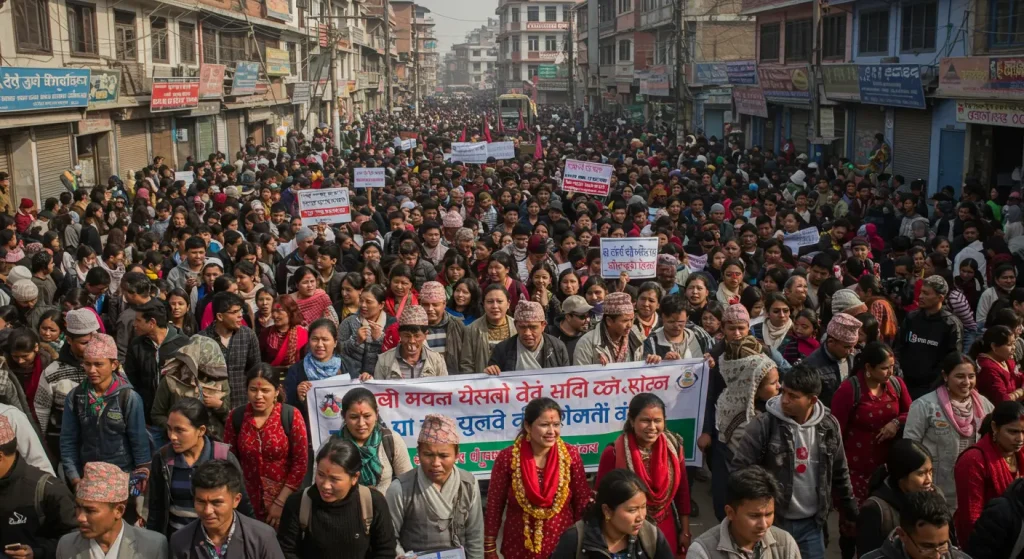
1. The narrative of secularism against the Hindu state: The abolition of the monarchy, closely associated with Hinduism, and the declaration of Nepal as a secular state in the 2015 constitution have generated one of the most heated social discourses.
- Dominant view: Supporters of the secular state, including many ethnic minorities and leftist parties, argue that it guarantees religious equality in a multi-religious country.
- Counter-narrative: Powerful right-wing nationalist and pro-monarchy groups actively promote a narrative of the need to restore Nepal’s status as a Hindu kingdom. They appeal to the cultural identity of the majority population and argue that secularism is an alien, imposed concept that facilitates the rise of Christian missionaries.
2. The narrative of caste and ethnic discrimination: Despite the legal ban, the caste system and discrimination, especially against Dalits (“untouchables”), remain a painful reality.
- Dominant view: Officially, the state condemns discrimination and implements programs to support marginalized groups.
- Counter-narrative: Dalit and Janajati activists argue that laws are not working and that discrimination is deeply rooted in social practices and even in power structures. Their narrative is one of demand for real, not declarative, equality and justice, as well as recognition of their cultural and linguistic diversity within a federal structure.
In conclusion, contemporary Nepalese discourse is multilayered and often polarized. Key narratives reflect the profound social, political, and economic transformations the country is undergoing. Nepal’s success in building a stable and prosperous future will depend largely on how society and political actors can reconcile these competing visions and find consensus on the most pressing development issues.
[elementor-template id=”1573″]