Weathering Storms: Imperative for Resilient Nepalese Supply Chains
A. The Changing Global Landscape and Its Echoes in Nepal
In 2025, the world faces a complex web of uncertainties. Global economic growth stabilizes, but at a moderate pace that is insufficient to sustain development in many emerging economiesGeopolitical conflicts such as the war between Russia and Ukraine and tensions in the Middle East continue to destabilize energy markets, disrupt supply chains and fuel inflation.1Trade tensions, particularly between major economies such as the US and China, add another layer of unpredictability, affecting global trade flows and investment.5Inflation, although slowing in some regions, remains a problem, potentially leading to monetary tightening.7
[elementor-template id=”3004″]
For Nepal, a landlocked developing country, these global shocks are compounded by specific regional challenges. Its geography makes it dependent on neighboring countries, primarily India and increasingly China, for trade and transit, leaving its supply chains vulnerable to disruptions at border crossings and shifts in neighboring policies.15Infrastructure gaps, including in transport, energy and digital sectors, further exacerbate these vulnerabilities.20
The combination of global uncertainty (geopolitical, economic) and Nepal’s inherent structural vulnerabilities (landlocked, infrastructure deficit, trade dependence) creates a complex risk environment for its supply chains. This is more than just a matter of facing individual challenges; it is a matter of their synergistic negative impact. Global Inflation12makes imports more expensive. Geopolitical conflicts2could disrupt shipping lanes and impact energy prices27, which will further increase costs. For Nepal, which relies heavily on imports through a limited number of transit points15, these global problems translate directly into higher domestic prices and potential shortages, affecting everything from consumer goods to industrial inputs. Past border blockades18clearly demonstrate this vulnerability. Thus, the “bamboo grove” strategy is aimed not just at increasing efficiency, but at ensuring fundamental economic security.
B. Introducing the Bamboo Grove Metaphor

In this challenging environment, Nepalese businesses need a strategy that embodies resilience and adaptability. The “bamboo grove” metaphor offers a powerful conceptual framework. Like the bamboo grove, a resilient supply chain system for Nepal must have the following qualities:
- Deep roots (local strength): A strong domestic manufacturing base, particularly in agriculture and essential goods, reducing over-reliance on imports. This includes the development of local industries and small and medium enterprises (SMEs).
- Flexibility (bend but don’t break): The ability to adapt to shocks and changes, for example by diversifying trade routes, suppliers and markets for products.
- Interconnectedness (growing together): Strong connections and collaboration between businesses, government, cooperatives and communities create a thriving ecosystem. Like bamboo shoots that support each other, collaboration increases collective strength.
- Sustainable growth (natural vitality): Practices that are economically viable, socially inclusive and environmentally sound, ensuring long-term health and resilience, much like a naturally thriving grove.
The ‘Dutch disease’ phenomenon fuelled by high remittance inflows29, poses a hidden but significant threat to the “deep roots” aspect of the “bamboo grove” strategy, potentially undermining domestic productive sectors, especially agriculture. Remittances constitute a significant portion of Nepal’s GDP.34By providing vital economic support, they mainly stimulate consumption30, often imported goods.31This can lead to an appreciation of the real exchange rate, making domestic production (such as agriculture and manufacturing) less competitive with imports and reducing incentives for investment in these sectors.31This is in direct contrast to the Bamboo Grove’s emphasis on strengthening local productive capacity. The key challenge, then, is to channel these remittances into productive investments that strengthen domestic supply chains.
C. Urgency for Nepalese Business
The current global and regional context makes it imperative for Nepalese businesses to move away from traditional, often fragile, supply chain models. Adopting a bamboo grove strategy is not just about survival; it is about creating a foundation for sustainable growth and competitiveness in an increasingly unpredictable world. This article will explore how Nepalese businesses can nurture their own bamboo groves.
Strengthening the Roots: Building a Solid Domestic Foundation
A. Agricultural core: from vulnerability to viability
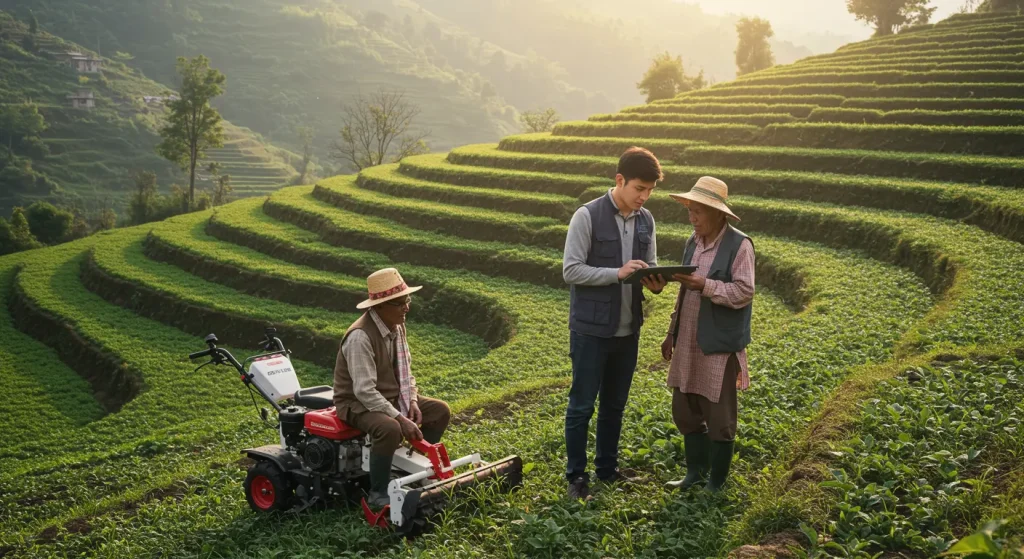
Agriculture plays a key role in Nepal’s economy, providing employment to a large portion of the population (historically around 65%, although recent data show a decline to 43.1% in 2020 and 50.4% or 57.3% according to other recent estimates, with a contribution to GDP of around 24-25% in FY2022/23 and 2024/25).36Key products include rice, corn, wheat, millet, barley, buckwheat, potatoes, oilseeds, sugarcane, tea, coffee, ginger, cardamom, fruits and vegetables.39However, the sector suffers from a number of vulnerabilities: low productivity due to traditional farming methods, small and fragmented land holdings (0.55 hectares on average, making mechanization difficult)41, insufficient access to modern technologies, quality resources (seeds, fertilizers) and financing42, the effects of climate change (unstable rainfall, natural disasters) and limited irrigation (only 28.8% of arable land is irrigated, although farm-based irrigation systems (FMIS) cover 70% of irrigated land).47There is also significant dependence on imports of food grains (rice, wheat, maize, lentils) and other agricultural products such as vegetables and fruits, despite domestic production potential.50For example, in FY22/23, Nepal imported paddy and rice worth NPR 34 billion, mainly from India.51In the first seven months of FY2024/25, cereal imports reached NPR 36.35 billion.53
Pathways to sustainability (strengthening agricultural roots):
Modernization and implementation of technologies:
- Agrotechnology and mechanization: Promoting scale-appropriate mechanization (mini tractors for hilly terrain), precision farming (GPS, GIS, drones for soil/crop monitoring) and digital platforms for advisory services (GeoKrishi, Tele Plant Doctor, Kisan App).41The level of implementation of modern technologies is still low.73Each additional technology introduced can increase farm income by 20.6%.65
- Improved irrigation: Expanding and improving irrigation infrastructure is critical. Improving canal conveyance efficiency (CCE) can significantly increase crop yields (e.g., CCE up to 30% can increase rice, maize, and wheat yields by 3 t/ha; CCE up to 70% in the Terai yields even greater gains).48Drip irrigation has been successfully used to improve water efficiency (73% less water for the same dry biomass) and ensure year-round production of forage crops.67Farm-mounted irrigation systems (FMIS) are widespread and effective.47
Access to quality resources:
- Seeds: Ensuring availability and promotion of adoption of improved seed varieties (e.g. Manakamana 3 maize, Janak Dev potato) is critical to increasing yields.71However, implementation is hampered by untimely availability, lack of knowledge and sometimes negative attitudes.72Seed subsidy programmes (SSPs) exist, but their impact on overall yields has been questioned as they often promote older varieties over newer, higher yielding ones.78Recommendations include targeted assistance to low-income/remote households and subsidies for new high-yielding varieties.80
- Fertilizers: Consumption of chemical fertilizers has increased due to subsidies, but problems with timely supply, quality and misuse remain.81Fertilizer subsidies constitute a significant part of the agricultural budget.81The issue of creating a domestic plant for the production of chemical fertilizers has been discussed for a long time, with the key points being cost and technology (natural gas versus electrolysis).82The promotion of organic fertilizers is also a goal of the government, but has not yet been widely adopted.79
- The role of cooperatives: Agricultural cooperatives play a vital role in providing access to credit (about 30% of total agricultural credit), training, technical support and modern inputs (improved seeds, fertilizers, irrigation systems), resulting in increased yields and incomes for cooperative members.65They also help reduce post-harvest losses and improve marketing of products.89However, they face challenges such as operational inefficiencies and limited technology integration.89
- Government initiatives: The Prime Minister’s Agricultural Modernization Project (PMAMP) aims to modernize and commercialize agriculture through the creation of “pockets, blocks, zones and super zones” by providing grants for input procurement and mechanization.39However, its implementation was “far from satisfactory” and “real results remain to be seen.”91Effective implementation of such programs is critical.
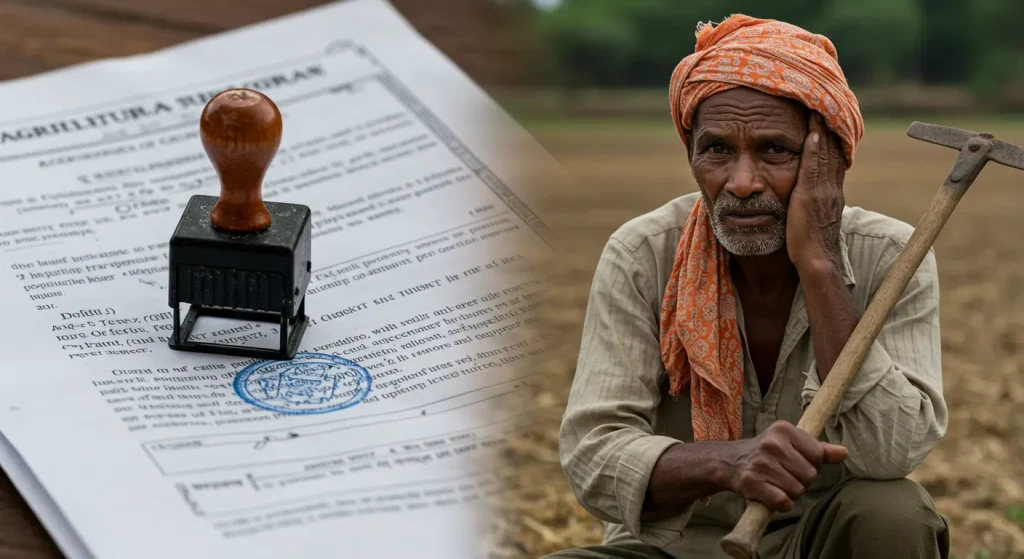
The effectiveness of agricultural subsidies in Nepal is highly questionable due to systemic problems such as corruption, mismanagement and political influence, often failing to reach the intended small and marginal farmers. This undermines efforts to strengthen the “roots” of domestic agricultural production. Multiple sources81indicate inefficiencies in the distribution of subsidies. For example, it was reported that 35% of subsidies were used as commissions for government officials.84Subsidized motor blocks were sold for cash.81Politically connected people often receive a disproportionate share.81This means that despite large budget allocations81, the impact on productivity and incomes of the most vulnerable farmers is limited. The bamboo grove needs healthy roots, and misdirected subsidies act like a disease, slowing growth and reducing resilience. A shift to more targeted, transparent and perhaps technologically enabled policies is essential.81subsidy mechanisms.
The slow adoption of modern agricultural technologies, despite their proven potential to increase incomes, is not simply a question of cost but a complex interaction of socio-economic factors, institutional support and access to markets. This creates a self-perpetuating cycle of low productivity. While cost is a barrier42, studies such as73, show that age, gender (male managers are more likely to adopt technologies), education, farming experience, ethnicity, access to credit, media, training, subsidies, contacts with extension agents and distance to the market significantly affect technology adoption. Low adoption of efficient irrigation systems such as sprinkler/drip irrigation66, or ICT tools46, despite their advantages67, points to these deeper problems. Lack of awareness, skilled personnel and poor maintenance are also key constraints.43Without addressing these multifaceted barriers, simply providing technologies (even subsidized ones) will not lead to their widespread adoption and the desired strengthening of the agricultural base. GeoKrishi’s Success58in providing advisory services to farmers demonstrates the potential of targeted digital interventions.
Table 1: Key agricultural products of Nepal and modernization efforts
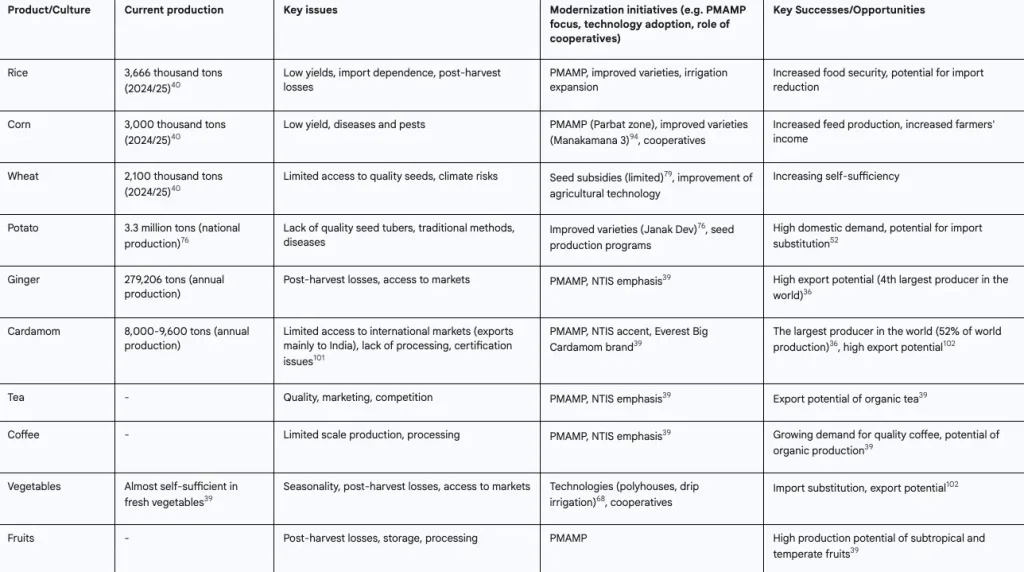
Note: Production data may vary by source and year. The table represents the latest available data from the sources indicated.
B. Development of local industry and SMEs: beyond agriculture
More than 90% of Nepalese firms are small and medium enterprises (SMEs), with more than 50% of them operating informally.43They face challenges in accessing financing, implementing technology and overcoming regulatory barriers.42The contribution of the industrial sector to GDP is relatively low (about 13%).34
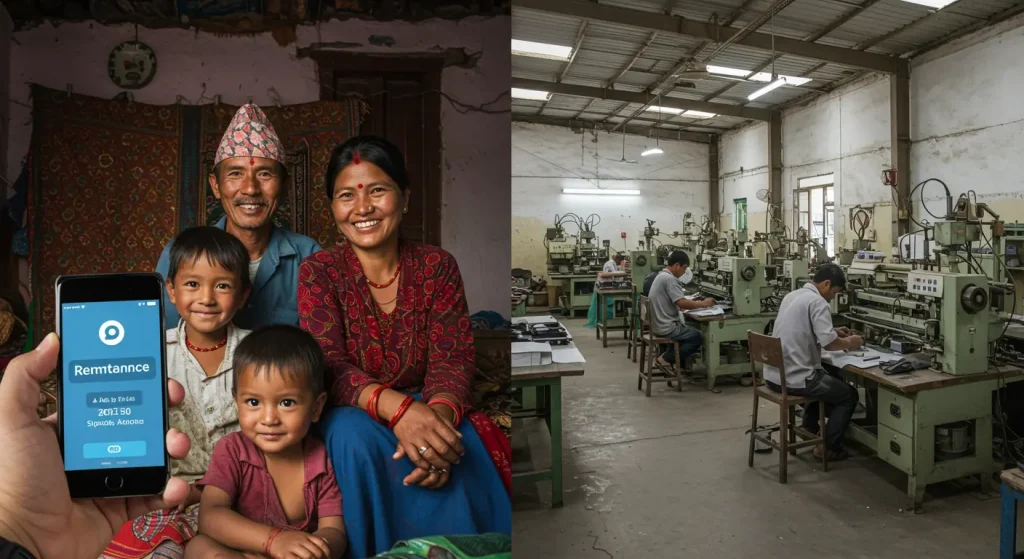
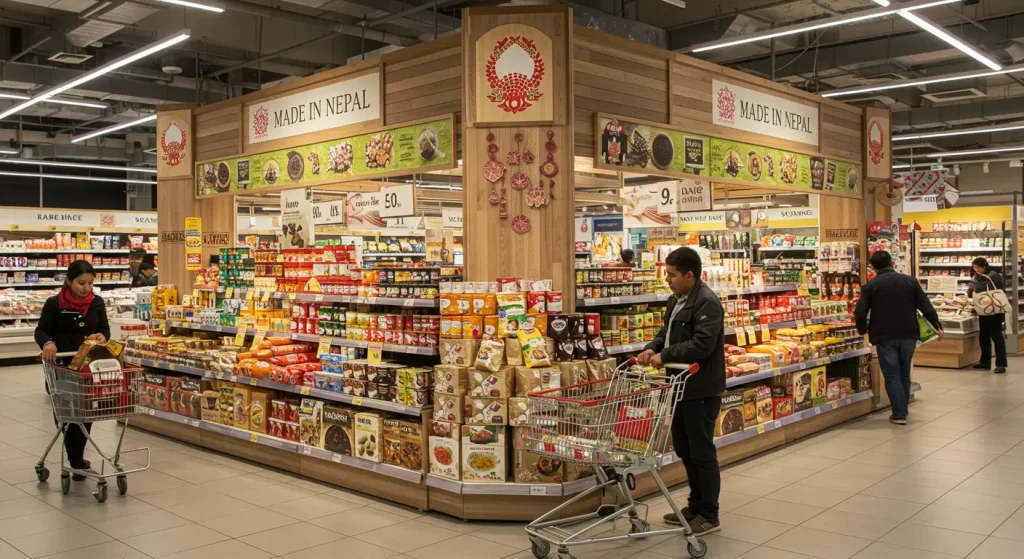
Despite these challenges, a number of Nepalese products have found international markets, including pashmina, carpets, handicrafts, organic tea and even niche products such as “mad honey”.101IT startups also provide services all over the world.105Formation Carpets and Danfe are examples of success through sustainable practices, fair labour conditions and the use of local skills and materials, in line with the spirit of the Made in Nepal campaign.106These stories highlight the potential of quality, authenticity and ethical production as key differentiators. Nepal’s National Trade Integration Strategy (NTIS) identifies priority export products such as large cardamom, ginger, tea, as well as emerging products including spices, coffee, fruits and vegetables.39
Strengthening SME supply chains requires improving access to finance, technology and markets, and promoting backward linkages with domestic raw material suppliers (where possible) to reduce reliance on imported inputs. Supporting quality improvement, branding and international certification is also important.101
The potential of the Made in Nepal brand is significant, but its growth is constrained by supply-side constraints within Nepal (quality, scale, certification) and access issues in foreign markets, especially India. Products such as cardamom, tea and pashmina have export potential.39However, Nepal exports cardamom, for example, mostly in its raw form to India, which then adds value and re-exports it.101The lack of domestic testing laboratories forces exporters to use the services of Indian institutions, which increases costs and time.101Although the Bureau of Indian Standards (BIS) certification for Nepalese firms makes things a little easier107, sanitary and phytosanitary (SPS) issues remain a common barrier to agricultural exports to India.17This indicates that strengthening the domestic value chain from production to quality assurance and branding is critical for Bamboo Grove to expand its presence internationally.
Flexibility in the Wind: Supply Chain Adaptability and Flexibility Strategies
A. Diversification of Trade and Transit: Reducing Over-Dependence
Nepal’s trade is heavily dependent on India (approximately two-thirds of imports/exports).16Although China is the second largest source of imports (about 19%), exports to China are minimal (less than 2%).16This over-dependence, particularly on India, creates vulnerabilities, as past border blockades have shown.18, which led to acute shortages of fuel, medicines and essential goods.
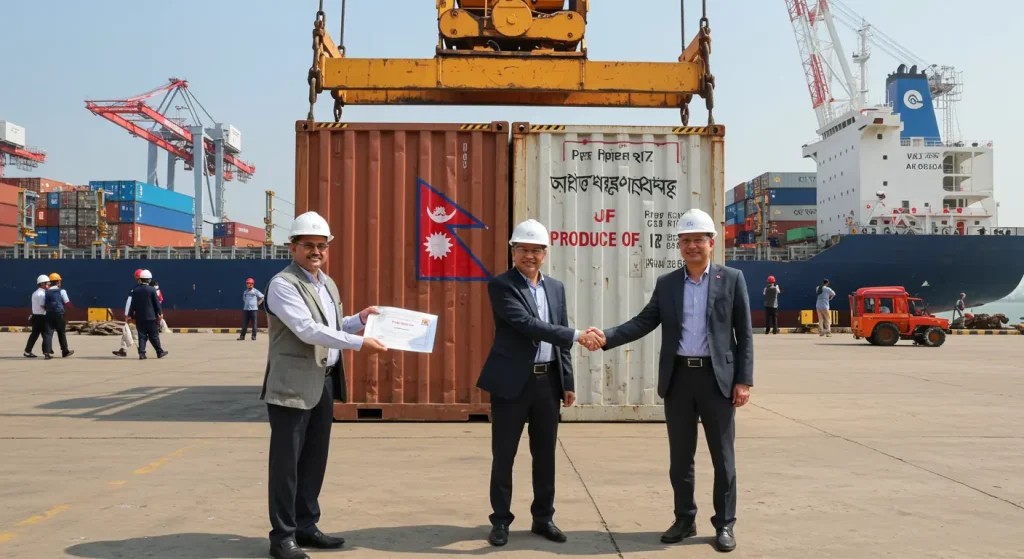
Exploring Alternatives:
- Transit via Bangladesh: A transit agreement with Bangladesh opening access to the port of Mongla offers an alternative to Kolkata.109However, for full use, a similar road use agreement with India is required.109Negotiations on a preferential trade agreement (PTA) with Bangladesh are critical, with a focus on reducing high tariff and para-tariff barriers on Nepalese agricultural products.110Key export potential in Bangladesh includes lentils, juices, herbs, amresho (a type of broom), ginger, cardamom and tea.51
- Chinese routes: Historically, there were trade routes through Tibet.112Infrastructure development such as the Kerung-Kathmandu railway continues but faces challenges.111Infrastructure on the Nepalese side of the border with China (e.g. Korala border crossing) needs to be improved to address trade imbalances.111
- Other corridors: Exploring other potential air and land corridors and strengthening diplomatic and trade ties with a wider range of countries.
Although diversification of trade routes (e.g. via Bangladesh, China) is strategically important, its practical implementation depends on complex geopolitical factors and significant infrastructure development, making it a long-term task. Short- and medium-term flexibility should be ensured by operational agility in the current environment. Access to the port of Mongla via Bangladesh109still requires unimpeded transit through India. Developing sustainable trade through China112needs large-scale investments in cross-border infrastructure111in challenging terrain. So, while pursuing these long-term goals, Nepalese businesses must focus on immediate agility: improved supplier relationship management (SRM)114, smarter inventory management116and using available digital tools58to optimize current supply chains. This means that bamboo’s “flexibility” must be both strategic (new routes) and tactical (better use of existing ones).
B. Agile Supply Chain Management for Nepalese Business
Modern Supplier Relationship Management (SRM):
- SMEs in developing countries need strategic collaboration with local and international suppliers.115Building trust, open communication and mutually beneficial relationships are key, especially in volatile environments.114
- Practices such as multisourcing, near-shoring, and on-shoring can improve resilience to disruptions.114
Flexible inventory management strategies:
- Shifting from a just-in-time (JIT) strategy for critical supplies to a just-in-case (JIC) approach by maintaining safety stocks can cushion the impact of shocks.116
- Improved demand forecasting using advanced analytics and historical data helps optimize inventory levels.117
- Inventory segmentation (e.g. ABC analysis) to prioritize critical products.117
- Consider using multiple warehouses or decentralized warehousing to reduce the risk of localized failures and improve last-mile delivery.116
Use of digital technologies:
- Increased transparency: Tracking inventory in real time across multiple locations using IoT and inventory management software is critical.116
- B2B eCommerce Platforms: Platforms such as B2BMAP119and Swadeshi120, can connect Nepalese businesses with domestic and international buyers and suppliers, facilitating trade and market access.
- Logistics technologies: Startups like Tummoc are digitizing public transport and logistics in Nepal, offering automated fare collection and taxi aggregation that could improve transportation efficiency.118
- Digital consulting for agriculture: Platforms like GeoKrishi provide farmers with climate-smart agriculture advice, market prices and connection to experts, improving their decision-making and resilience.58
Promoting digitalization in supply chains (e.g. GeoKrishi, a B2B platform) offers huge potential for flexibility and efficiency, but its success depends on bridging the digital divide (access, literacy) prevalent in rural Nepal and among many SMEs. GeoKrishi’s success in reaching 237,300 people and supporting 51,500 farmers59 demonstrates the power of digital tools. However, issues such as low digital literacy among farmers63, limited internet access in rural areas121and the high cost of agricultural solutions63, are significant barriers. The GeoKrishi study itself notes difficulties in adoption among agrovets due to difficulties in navigating technology and the need for offline services such as e-Chautaris.59Thus, a bamboo grove strategy using digital tools must be inclusive, including capacity building and hybrid (online-offline) models, to ensure that no one is left behind.
C. Learning from past failures
The 2015 earthquake and subsequent border blockade exposed the extreme vulnerability of Nepal’s supply chains, particularly for fuel, medicine and essential goods.18These events have spurred some diversification efforts.19and increased interest in electric vehicles.19These lessons should inform ongoing resilience-building strategies.

Past crises such as the 2015 blockade18, serve as a stark reminder of vulnerability, but also as a catalyst for innovation (e.g. the rise of electric vehicles). However, the “memory” of these lessons can fade, leading to complacency unless resilience building is institutionalized. The 2015 lockdown led to fuel rationing, school closures, and a health crisis.19This prompted a fuel supply deal with China, although implementation has been slow.19The crisis has stimulated some transition to electric vehicles.19This demonstrates that the shocks can encourage adaptation. However, for the bamboo grove to be truly resilient, these adaptations must become permanent elements of policy and business strategy, rather than simply reactive measures. This includes continuous risk assessment, scenario planning, and investment in diversified options even when immediate pressures ease.
Growing the Grove: Creating an Enabling Environment for Sustainable Supply Chains
A. Policy and Infrastructure: Soil and Water for Growth
Government support and policy coherence:
- Agricultural policy: Evaluation of the effectiveness of the Agricultural Development Strategy (ADS 2015-2035)39and the Prime Minister’s Agricultural Modernization Project (PMAMP).39As noted, the effect of PMAMP needs to be significantly improved.91Policies should focus on improving productivity, commercialisation and competitiveness.39
- Trade and export promotion: Nepal’s National Trade Integration Strategy (NTIS) identifies key export products.39Government initiatives to support exports include subsidies, infrastructure development and participation in trade fairs.102The new Trade Policy 2025 aims to increase competitiveness through infrastructure development.123However, there is a need for better policy coordination and reduction of bureaucratic barriers.43
- Investment climate: Efforts to improve business conditions and attract foreign direct investment39and ensuring policy stability are of crucial importance.39The FY2025/26 budget includes measures such as tax breaks for the IT/hospitality sectors, support for start-ups and allowing Nepali companies to invest abroad.126
- Monetary policy: The monetary policy of Nepal Rastra Bank (NRB) is aimed at price stability and support for lending to the manufacturing sector.128The latest measures include lowering interest rates and easing limits on letters of credit for imports.128The private sector (FNCCI, CNI) often calls for more flexible policies and stability.
Infrastructure development:
- Transport: Solution to the problem of poor road infrastructure34is critical to reducing logistics costs and improving market access.21
- Energy: Utilizing hydropower potential for reliable and affordable energy supply is key to industrial and agricultural activities.21The Nepal Electricity Authority (NEA) is working to expand generation capacity and transmission networks, including cross-border lines for export.132
- Digital infrastructure: Increased internet penetration and digital literacy are facilitating the adoption of agro-technologies and e-commerce.58The FY2025/26 Budget allocates NPR 7.4 billion for digital infrastructure.126
Logistics and quality standards:
- Nepal’s improved position in the Logistics Performance Index (LPI) (109th in the Global Innovation Index (GII) 2024, below average in human capital/research, business sophistication, institutions –23). Key components of LPI include customs efficiency, quality of infrastructure, ease of transport organization, quality of logistics services, tracking and timeliness.24
- Addressing issues at border points such as Birgunj and Kakarbhitta, including inadequate monitoring, water, sanitation and hygiene (WASH) facilities and waste management.141
- Strengthening quality standards and certification mechanisms (e.g. NepalGAP, BIS certification for export to India) to enhance export competitiveness.107
The persistent gap between policy design and effective implementation is a major obstacle to creating an enabling environment. Ambitious strategies (ADS, PMAMP, NTIS) exist on paper, but their real impact is weakened by bureaucratic inertia, lack of coordination, political instability and under-allocation or misuse of resources. The “real results” of PMAMP “remain to be seen”91, despite its scale92, which is a prime example. The FY25/26 budget, according to some experts, does not contain the bold reforms needed for transformational change143, and concerns about its potential implementation remain.139The World Bank also notes policy incoherence due to frequent bureaucratic reshuffles as a risk.144This means that the “soil and water” for the “bamboo grove” are often of poor quality or irregularly supplied, which hinders growth regardless of the quality of the “seeds” (business initiatives). Strengthening governance and institutional capacity is paramount.
Table 2: Key policy initiatives and infrastructure projects supporting Nepal’s supply chain resilience (focus on 2024-2025)
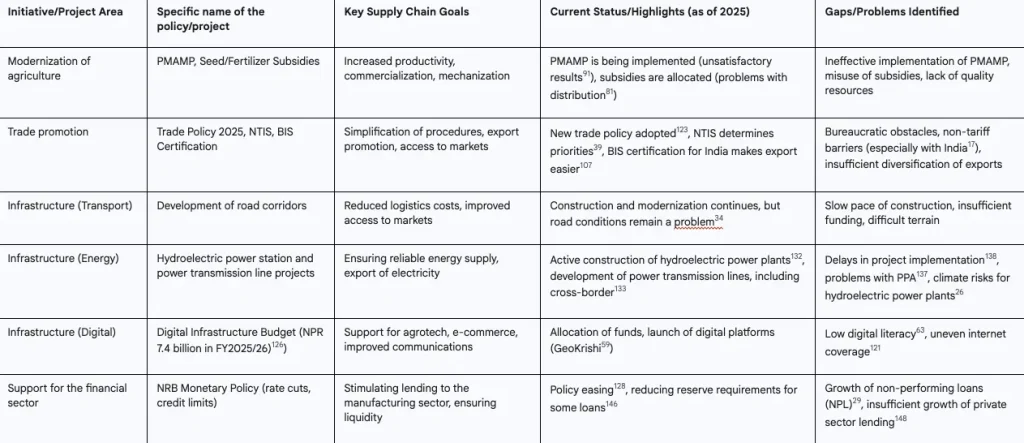
Sources:.39
B. Human Capital and Cooperation: Caring for the Grove Keepers
- Qualified personnel: Addressing the brain drain and skills shortage in key sectors such as agriculture, tourism and manufacturing.150This requires improved working conditions, pay, job security and investment in vocational training.152
- The role of industry associations: The Federation of Nepal Chambers of Commerce and Industry (FNCCI) and the Confederation of Nepalese Industries (CNI) play an important role in promoting business interests by engaging with the government on policy reforms, trade facilitation and infrastructure development.124Their active participation is vital to creating a favorable environment.
Stimulating innovation and intra-company entrepreneurship:
- Fostering a culture of innovation within companies. Intra-firm entrepreneurship (where employees act as entrepreneurs) can stimulate new product/service development and process improvement, increasing adaptability.161
- Practices such as open-book management can build trust and engagement.163
- Purposeful leadership can increase employee engagement, productivity, and retention.165
- Job crafting enables employees to align their roles with their strengths and motivations, increasing engagement and productivity.167
- Building Social Capital Within Organizations Through Mentoring177and promoting open communication strengthens collaboration.145
- Exploring flexible work models such as the Results-Only Work Environment (ROWE) can improve productivity and accountability.170
Human Capital Problem in Nepal150is a critical constraint to modernizing supply chains and implementing new technologies. It is not just a loss of labor, but the loss of the very innovators and skilled managers needed to create and maintain a sustainable “bamboo grove.” While remittances provide income29, outflow of qualified youth150creates a vacuum. Sectors such as tourism and hospitality are facing acute labor shortages.153The lack of qualified personnel is an obstacle to the implementation of agricultural technologies.46Initiatives like the ‘Decade of Jobs’ are needed152, but they must be comprehensive, addressing the quality of education, the relevance of vocational training, and the creation of attractive domestic employment conditions to retain and attract talent. Without skilled “keepers of the grove,” bamboo cannot be properly grown and managed.
While individual government policies (agricultural, trade, monetary, fiscal) are designed to support development, their lack of synergistic integration and sometimes contradictory nature can create an unpredictable and challenging environment for businesses trying to build resilient supply chains. For example, flexible monetary policy aims to stimulate lending and economic activity. However, if fiscal policy does not effectively channel these funds into productive capital expenditures179, liquidity may encourage consumption of imported goods or asset bubbles rather than strengthening domestic supply chains. Similarly, trade policies that favor exports122, could be undermined if agricultural policies fail to ensure stable quality and quantity of export surplus, or if infrastructure23will remain inadequate. A truly enabling environment requires a holistic, coordinated “whole-of-government” approach to supply chain resilience.
Conclusion: Towards a Thriving Bamboo Grove Economy for Nepal
A. The Bamboo Grove Path: Summary
The Bamboo Grove strategy offers Nepal a path to making its supply chains more resilient and adaptive. It is based on strengthening domestic “roots” through agriculture and SME development, building “flexibility” through trade diversification and adopting flexible management practices, and creating a supportive “ecosystem” through coherent policies, infrastructure development, human capital building, and a collaborative culture. It is not a one-time solution, but an ongoing process of cultivation and adaptation.
B. Key Recommendations
For business:
- Implementation of technologies: Actively master digital tools, agricultural technologies and modern management methods.
- Investments in human capital: Train employees, create a motivating work environment, encourage intrapreneurship and develop social capital.
- Strengthening partnerships: Build long-term and trusting relationships with suppliers and customers, both in domestic and foreign markets.
- Diversification: Seek new markets, alternative suppliers and diversify product lines to reduce dependence on individual sources or markets.
- Cooperation: Actively participate in industry associations and joint initiatives to address common issues and advance the interests of the sector.
For politicians:
- Policy alignment and implementation: Ensure clear coordination between various government agencies and effective implementation of adopted strategies and programs.
- Infrastructure Priority: Invest in developing transport, energy and digital infrastructure as the basis for efficient supply chains.
- Reform of subsidy mechanisms: Review and reform subsidy systems, particularly in agriculture, to ensure they are well-targeted, transparent and have a real impact on the productivity and incomes of smallholder farmers.
- Favorable investment climate: Continue efforts to simplify doing business, attract investment and ensure a stable regulatory environment.
- SME support: Develop and implement targeted support programs for SMEs, including access to financing, technology and markets.
- Human capital development: Invest in education and training to address skills shortages and reduce brain drain.
- Standards and certification: Strengthen quality control and certification infrastructure to enhance the competitiveness of Nepalese products in international markets.
C. A Sustainable Future for Nepal
Adopting the bamboo grove strategy offers Nepal an opportunity to enhance its economic resilience, reduce vulnerability to external shocks, strengthen food security, create more domestic jobs, and achieve sustainable and inclusive economic development. This path requires concerted efforts by all stakeholders – government, private sector, and civil society – to collectively nurture a truly thriving economic landscape. Like bamboo, which is firmly rooted, flexible in the winds, and grows in close community, the Nepalese economy can gain the strength and resilience needed to navigate a complex and ever-changing world.
[elementor-template id=”1573″]
Source used
- Trump says it may be better to let Ukraine, Russia ‘fight for a while’ as Merz blames Putin for war
- The Russia-Ukraine War Report Card, June 4, 2025
- Global Economic Impact of Middle East Tensions – Learnsignal
- Regional Economic Outlook for the Middle East and Central Asia, May 2025
- Trump says after Xi call that US and China will resume trade talks
- What to expect from the US-China trade talk? – The World Economic Forum
- Nepal Inflation Rate Outlook, Average Consumer Prices (I:NIRA5NJM) – YCharts
- Nepal Inflation Rate – Trading Economics
- The Fed – Monetary Policy: Beige Book (Branch) – Federal Reserve Board
- Global Economic Outlook 2025: A Widespread Growth Slowdown | Morgan Stanley
- OECD Economic Outlook, Volume 2025 Issue 1
- Global Financial Stability Report – International Monetary Fund (IMF)
- OECD Economic Outlook, Interim Report March 2025
- Bank of Italy – ECB Economic Bulletin, No. 2 – 2025 – Banca d’Italia
- Vulnerability Profile of Nepal – the United Nations
- Nepal’s Foreign Trade Soars in FY 2081/82: Exports to India Surge by 82.5%, Trade Deficit Widens | NEPSE Trading
- Nepal’s Trade with its Giant Neighbours – NUS Institute of South Asian Studies (ISAS)
- 2. SOCIO ECONOMIC IMPACT OF UNDECLARED BLOCKADE OF INDIA ON NEPAL
- 2015 Nepal blockade – Wikipedia
- Agricultural Mechanization in Nepal – IFPRI South Asia
- Nepal: World Bank Report Outlines Key Reforms to Boost Growth, Create Jobs
- The World Bank in Nepal: Lessons on building institutions and Influencing policy
- Nepal ranking in the Global Innovation Index 2024 – WIPO
- International LPI – Logistics Performance Index (LPI) – World Bank
- (PDF) The Role of Agriculture in Nepal’s Economic Development: Challenges, Opportunities, and Pathways for Modernization – ResearchGate
- PROMOTING CLIMATE RESILIENT AGRICULTURE IN NEPAL
- EIA Cuts 2025 and 2026 Brent Oil Price Forecast – Rigzone
- Oil Price Forecasts for 2025 and 2026 | J.P. Morgan Research
- Current Macroeconomic and Financial Situation – English (Based on Nine Months Data of 2024/25) – Nepal Rastra Bank
- The Role of Remittances in Household Spending in Rural Nepal – MDPI
- Remittance inflows pose Dutch Disease risk in Nepalese economy – CESLAM
- Symptoms of Dutch Disease in Nepal
- Publication: Nepal Development Update, April 2024: Nepal’s Economy on a Recovery Path but Private Investment Remains Low
- Economy of Nepal – Wikipedia
- An Analysis of Causal Relationship between Remittances and Imports in Nepal
- agriculture – Investment Board Nepal
- Nepal expects 4.61-pct growth for 2024-25 – Xinhua
- Nepal’s economy to grow by 4.61 percent – The Kathmandu Post
- sectoral profile – agriculture – Investment Board Nepal
- Nepal Production – International Production Assessment Division (IPAD)
- Revolutionizing Agriculture in Nepal with Modern Technology – Living CARE
- (PDF) COMMERCIALIZATION OF AGRICULTURE: FORMS …
- Why Nepal Struggles to Adopt Better Technology, And Alternative Routes to Development
- Visualising adoption processes through a stepwise framework: A case study of mechanisation on the Nepal Terai – PubMed Central
- Challenges of Agricultural Machinery Development in Nepal – UN CSAM
- (PDF) Constraints on the use and adoption of information and communication technology (ICT) tools and farm machinery by paddy farmers in Nepal – ResearchGate
- Irrigation Farming in Nepal – The Borgen Project
- Effect of irrigation canal conveyance efficiency enhancement on …
- Co-development of vulnerability and risk assessment framework and methodology for Nepal
- Export and Import of Food Products in Nepal (Rs Billion) – ResearchGate
- Nepal’s agricultural trade within BIMSTEC – Sawtee
- Import Substitution and Export Promotion of Horticultural Crops in Nepal
- Nepal’s agriculture imports exceed total export in first seven months
- Food Insecurity, Food Grain Imports, and Agricultural Exports in Nepal: A Data Analysis Comparison (1990-2023) – ResearchGate
- statistical information on nepalese agriculture, 2079/80 [2022/23]
- An overview of agricultural mechanization in Nepal – Kathmandu University Open Journal Systems
- Modern Technology and Scope of Precision Agriculture (PA) – International Journal of Social Sciences and Management (IJSSM)
- Digitising Agriculture in Nepal: GeoKrishi | Mobile for Development – GSMA
- 237,3k 51,5k 97% – GSMA
- Understanding factors influencing adoption of digital tools among extension agents of Nepal
- Prospects for Farm Mechanization in Mid-hills of Nepal – CIMMYT Repository
- Nepal | Digital Villages Initiative in Asia and the Pacific | Food and Agriculture Organization of the United Nations
- The Role of Agriculture and Agri-Tech Investments in Nepal During a Pandemic
- Agricultural Transformation in Nepal
- Effect of Adopting Agricultural Technology on Farm Income of …
- Effect of Adopting Agricultural Technology on Farm Income of Commercial Vegetable Growers in Bagamati Province of Nepal – ResearchGate
- (PDF) Impact of Irrigation Method on Water Use Efficiency and Productivity of Fodder Crops in Nepal – ResearchGate
- How a simple technology transforms rural Nepal – One to Watch
- Technology for whom? Solar irrigation pumps, women, and smallholders in Nepal – Frontiers
- 40 years of learning: Nepal irrigation systems – IFPRI
- Assess the Adoption of Improved Maize Production Technologies in Gulmi, Nepal
- Assessment of Maize Production and Adoption of Improved Maize Seeds in Tanahun District of Nepal – International Journal of Applied Sciences and Biotechnology (IJASBT)
- ADOPTION OF RIVERBED FARMING TECHNOLOGIES IN KAMALA …
- Does subsidizing seed help farmers? Nepal’s rice seed subsidies – Knowledge for policy
- Does Subsidizing Seed Help Farmers? Pulte Study Examines Nepal’s Rice Seed Subsidies
- Impact of Quality Seed Potato Production in the Eastern Hills of Nepal
- Role of Improved Seeds Technology to Increase Production and Crop Diversification in Nepal
- Status of fertilizer and seed subsidy in Nepal: review and recommendation
- Status of fertilizer and seed subsidy in Nepal: review and recommendation
- Does subsidizing seed help farmers? Nepal’s rice seed subsidies | Request PDF – ResearchGate
- When Help Hurts – GMC Nepal
- Nepal still awaits chemical fertilizer factory after four decades of delay – myRepublica
- Situation Report on Nepal’s Agrifood Systems June 2024 | Bulletin Number 19
- Relationship between Agriculture Subsidy and Agricultural Production in Nepal. – Nepal Journals Online
- Minister Adhikari claims Rs107.66 billion in agricultural subsidies over five years
- 107 billion rupees spent on agricultural subsidy in five fiscal years | The Farsight Nepal
- NEA opens PPA for 5000 MW hydro projects in wake of Ghising’s dismissal – myRepublica
- Nepal still awaits chemical fertilizer factory after four decades of delay – myRepublica
- The Role of Cooperative on the Socio-economic Growth and Stability – Nepal Journals Online
- Cooperatives as Pillar of Economy to Improve Agriculture Production …
- Modernising Agriculture – The Rising Nepal
- Welcome | Prime Minister Agriculture Modernization Project (PM-AMP) – Prime Minister Agriculture Modernization Project
- (PDF) Prime Minister Agriculture Modernization Project (PMAMP), Nepal – ResearchGate
- ROLE OF PRIME-MINISTER AGRICULTURE MODERNIZATION PROJECT ON MAIZE VALUE CHAIN DEVELOPMENT AND TECHNOLOGY ADOPTION (A CASE STUDY – Index Copernicus
- Standard Expression of Interest (EOI) Document for Shortlisting of Consultants and Consulting Services
- Indian gov’t aims to speed up EV subsidy claims to 5 days – Tech in Asia
- Assessment of Government Policies, Farm Subsidies, and Agriculture Growth | Request PDF
- agricultural support policy of nepal: cases of subsidies – International …
- Effect of Agricultural Subsidy on Farm Income of Commercial Vegetable Farmers of Makwanpur and Dhading Districts, Nepal – International Journal of Research and Review
- Chinese project steers Nepal’s agricultural modernization – World – Chinadaily.com.cn
- Revisiting Nepal’s Top Exports: Gaps and Opportunities – Nepal Economic Forum
- Food Export from Nepal: Opportunities & Challenges
- Adoption of improved agricultural practices: Learning from off-season vegetable production in Nepal – New Prairie Press
- FinMin Presents Economic Survey, Projects 4.61pc growth for current FY
- The rise of Nepali businesses in international markets – OnlineKhabar English News
- Companies in Global Compact Nepal offer women, children a chance to reach new heights – IMPACT STORY
- Export hurdles ease as BIS certifies 129 Nepali firms – The Kathmandu Post
- Nepal Good Agricultural Practices Certification
- Bangladesh, Nepal Sign Transit Deal, Likely Increase Trade – Foreign Policy Association
- Nepal Bangladesh: Trade Arrangements and Connectivity – Sawtee
- April 2025 Analysis – CESIF Nepal
- Buddhism and the Trade Routes – Asia Society
- Tibet–Nepal salt trade route – Wikipedia
- Supplier Relationship Management: Navigating Supply Chain Challenges – Dun & Bradstreet
- Supply chain management practices of SMEs in developing countries: Bibliometric and systematic reviews – Agricultural Economics
- Managing Inventory Amid Supply Chain Disruption
- Improving inventory planning during supply chain disruption – TVS SCS
- Mobility-as-a-service startup Tummoc begins operations in Nepal – YourStory.com
- B2B Business Platform in Nepal – B2BMAP
- Swadeshi- B2B Platform | Make in Nepal
- Private Sector Stresses Import Substitution and Export-Oriented Agriculture: Nepal Prepares for Integrated Agricultural Policy – Khagendra Awasthi – Ecosphere News Environmental & Developmental Issues
- At FNCCI’s 59th AGM inauguration, PM Oli emphasises collaboration with private sector for rapid development – Business 360°
- NIES:-Nepal International Economic Summit 2025 – FNCCI