

Gold is the better hedge for corporate treasuries in 2026 due to its stability, while Bitcoin’s volatility poses risks.
Tag: market

Nepals Economic Reform: The Hidden Inflation Risk
Nepal’s inflation stems from import bans harming production; a shift to energy exports is vital for economic stability.

Basel III Endgame: Why ROI Will Plummet
Basel III will compress ROE, forcing banks to pivot from lending to fee-based services for survival in a capital-constrained environment.
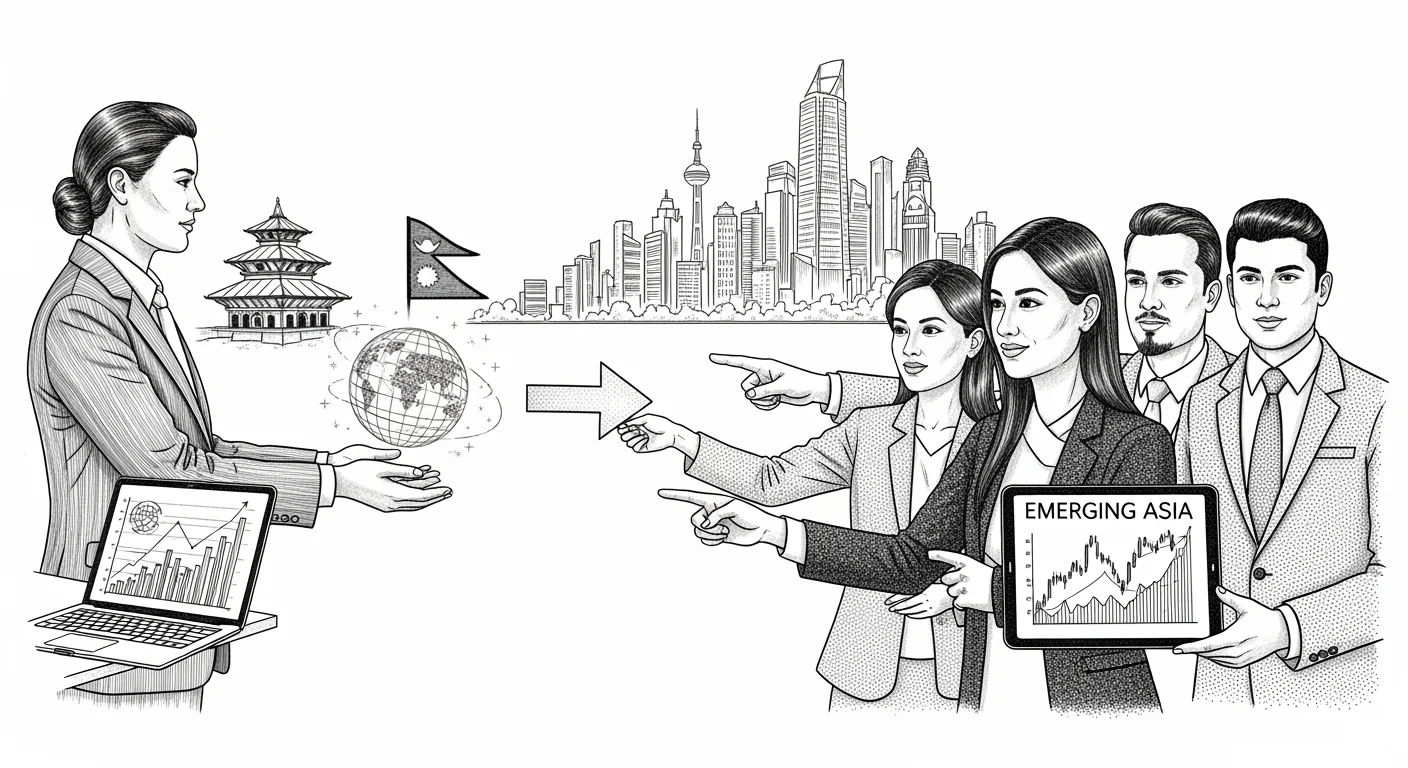
Global Markets 2026: The Great Rotation from US Tech to Emerging Asia
The Great Rotation signals a shift from US tech to emerging Asia, driven by P/E disparities and strong manufacturing PMIs in India and Vietnam.

Nepal’s Generation Z: Lost for the Country or Architects of Its Future?
For a significant portion of Nepal’s youth, the “lost generation” narrative is not just a metaphor, but an everyday reality.
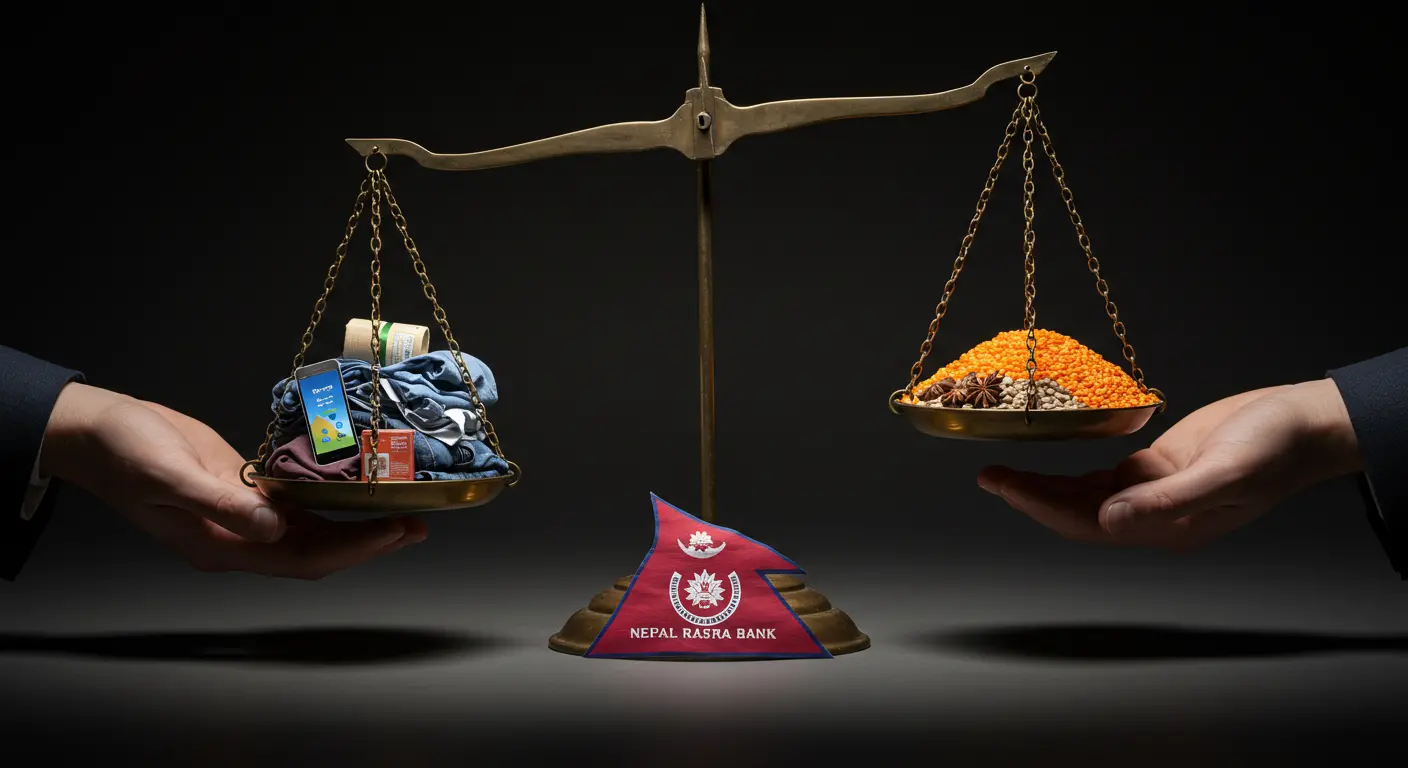
Nepal’s Foreign Exchange Reserves: An Analysis of the Monetary Policy and Its Balancing of Import and Production
Nepal, a developing country whose economy relies heavily on agriculture and remittances from migrant workers, faces a range of economic challenges.

E-commerce ‘Nepali style’: Behind the scenes of developing successful local online platforms
As prayer flags flutter in the Himalayan breeze, the winds of digital change are sweeping across Nepal, transforming the country’s economic landscape at an astonishing rate.

Strengthening Nepal’s Domestic Supply Chains: Opportunities and Obstacles to Reducing Import Dependency
Nepal’s economy is characterized as import-oriented and remittance-dependent. The country faces a significant trade deficit, which has crossed NPR 1,256 billion in the first ten months of the 2024/25 financial year.

Competition in the “Red Ocean” Nepali Style: Strategies for Differentiation and Finding a Unique Niche for Businesses
Once a small business identifies a promising direction or offers an innovative product, larger companies can quickly replicate the idea, robbing the SME of its initial advantage and making it difficult to get a fair return on its investment.
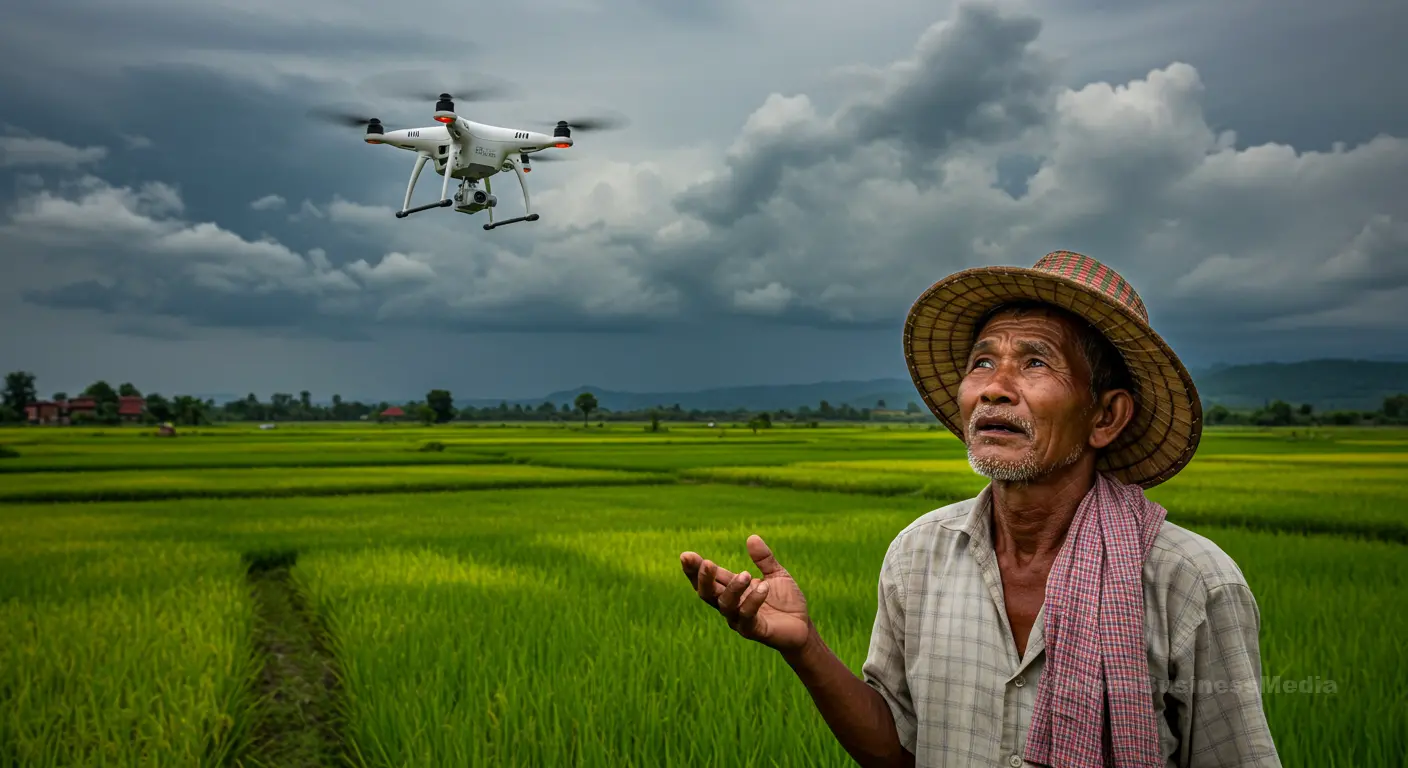
Awakening the “sleeping giant”: a roadmap for the development of the insurance market in Nepal – from innovative products
The agricultural sector suffers from the effects of climate change, including droughts, floods and other natural disasters, while the flow of remittances can be unstable due to global economic downturns or political changes in the host countries.