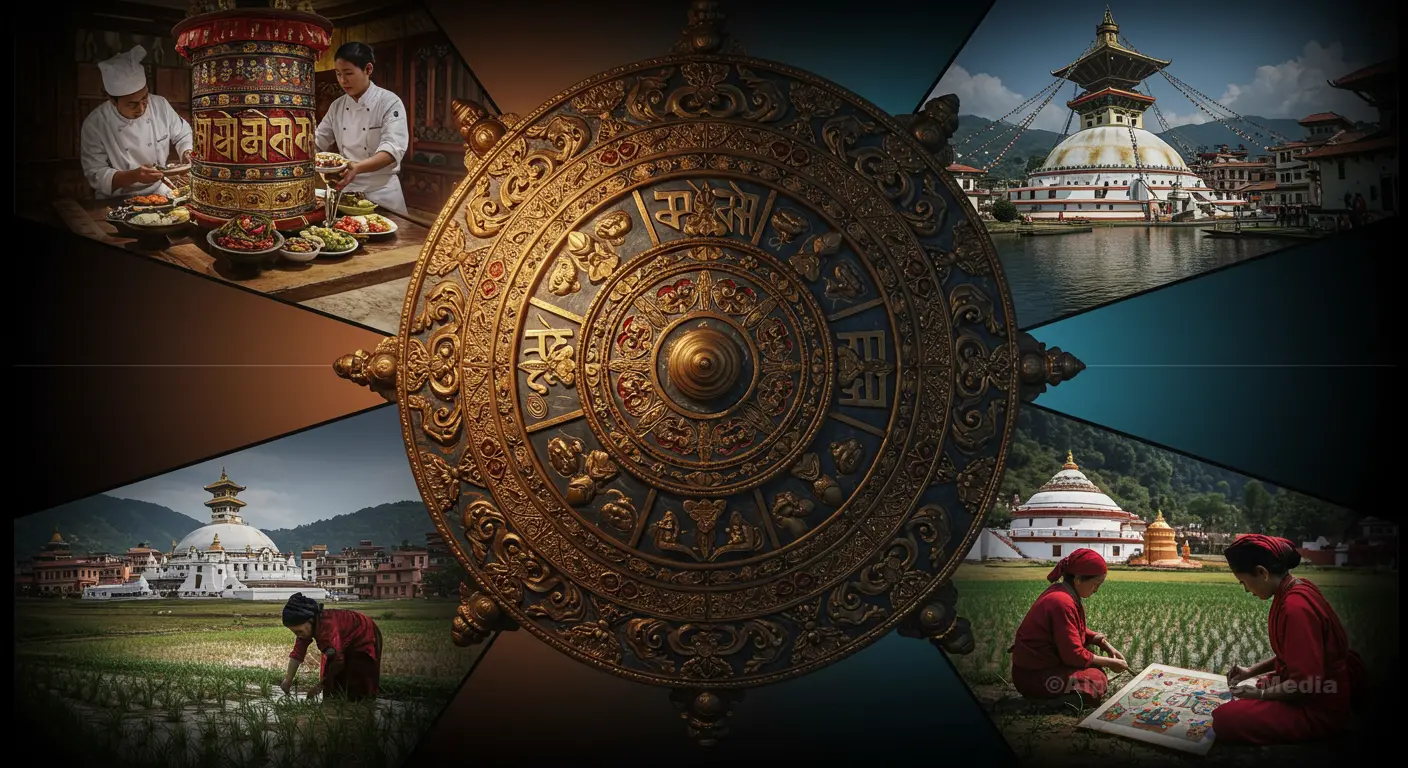
When an investor or traveler hears “Nepal,” two images immediately flash into their minds: the majestic Everest and lines of trekkers trudging toward its base camp. For decades, this “mountaineering + trekking” model has been the driving force of the country’s tourism industry. But the world has changed. Today’s traveler—often more affluent, seeking unique experiences, comfort, and deep immersion—no longer wants to “check a box.” They want to experience a story they can tell.
This shift in consumer behavior opens up a huge window of opportunity for entrepreneurs willing to think beyond the beaten path. While most players compete in the crowded trekking space, there are vast untapped market potentials nearby. These are niches that tap into global trends in wellness, mindfulness, remote work, and culinary discovery.
Alpha Business Media has analyzed the market and identified 5 specific, ready-to-implement business ideas that have every chance of becoming a gold mine in the tourism sector of Nepal in the next two years.
1. Himalayan Glamping: Five-Star Hotel Comfort Under the Everest Stars
The gist of the idea:
Forget Spartan lodges and cold tents. Glamping is a luxury accommodation experience in the heart of the wilderness. We are talking about spacious, stylishly decorated geodesic domes or safari tents with panoramic windows, comfortable king-size beds, designer furniture, private bathrooms with hot water and, of course, impeccable service. It is an opportunity to wake up with a view of Annapurna without sacrificing comfort.
Target audience:
- Wealthy couples and newlyweds: seeking solitude and romance.
- Families: those who want to show children the wonders of nature without the hardships of a hike.
- Corporate clients: for exclusive retreats and team building events.
- Wellness tourists: for whom not only meditation is important, but also comfortable conditions for it.
How to implement it:
Location is the key to success
There is no need to climb to 5,000 meters. Ideal places are foothills with stunning views, but with relative transport accessibility (for example, the hills around Pokhara, Nagarkot or areas with views of the Annapurna massif). It is important to ensure access for supplies.
Infrastructure
The basis is 3-5 luxury “rooms” (domes). A separate building for a restaurant and a lounge area with a fireplace is a must. Autonomous systems are extremely important: solar panels for electricity and water heating, an environmentally friendly wastewater treatment system.
Service and features
The standard set of services should include:
- Personal butler or concierge.
- Menu from a professional chef (a mix of European and local cuisine).
- Organizing easy one-day hikes with a guide.
- Conducting morning yoga or meditation classes on the observation deck.
- Evening gatherings around the campfire with a telescope for stargazing.
Marketing and sales
The main tool is visual content. Professional photos and videos on Instagram and YouTube. Cooperation with international luxury travel bloggers and agencies specializing in exclusive vacations.
Why it will “work”: The global glamping market is growing by 15-20% per year. The trend for secluded, comfortable outdoor recreation has only intensified after the pandemic. Nepal, with its landscapes, is an ideal platform for this format, allowing it to attract tourists who are willing to pay 5-10 times more than the average trekker.
2. Gastronomic Retreats: Open the World to the Taste of Nepal

The gist of the idea:
For 99% of tourists, Nepalese cuisine is all about dal bhat and momos. This is a huge misconception. The richness of Nepal’s culinary traditions, from the complex dishes of the Newari cuisine in the Kathmandu Valley to the unique recipes of the Thakali people, is an untapped treasure. The idea is to create immersive food tours and retreats where food is not just fuel, but the main event.
Target audience:
- “Foodies”: travelers for whom cuisine is the main criterion for choosing a destination.
- Culinary enthusiasts: those who want not only to try, but also to learn how to cook.
- Cultural researchers: who understand that food is the key to understanding culture.
How to implement it:
Creating a program
- This is not just a dinner at a restaurant. This is a 5-7 day program:
- Day 1: Visit a local market with a chef, learn about spices and produce.
- Day 2-3: Practical culinary master classes (for example, making different types of momos, preparing Newari set “samai bhaji”).
- Day 4: A trip to an organic farm or tea plantation.
- Day 5: A master class from a guest “star” – a grandmother from a local village, the keeper of authentic recipes.
- Day 6: A gala dinner where participants cook together with the chef for invited guests.
- Base and partnerships.
You can create your own boutique hotel with a focus on food or partner with existing hotels. The key is to collaborate with talented local chefs, farmers and guides who are passionate about what they do.
Authenticity
It is extremely important to move away from tourist adaptations and show real cuisine. Tell the stories of dishes, their ritual significance.
Marketing
Promotion through international gastronomic blogs, magazines (such as Saveur, Food & Wine), cooperation with food vloggers on YouTube.
Why it will “work”: Gastronomic tourism is one of the fastest growing and most profitable sectors in the world. Nepal offers a completely new, unexplored taste, which is a magnet for sophisticated audiences. This allows creating high added value based on local products.
3. New Generation Wellness Retreats: Silence of the Mind and the Power of the Himalayas

The gist of the idea:
Nepal is already associated with spirituality, but most of the offerings are basic yoga courses for tourists. The niche lies deeper: in creating full-fledged wellness and spiritual retreats that combine authentic Buddhist and Hindu practices with modern methods of healing and psychological relief.
Target audience:
- Top managers and entrepreneurs: suffering from burnout and looking for a reboot.
- People in search of themselves: experiencing life crises or seeking spiritual growth.
- Yoga and meditation practitioners: those wishing to deepen their knowledge at the source.
How to implement it:
Specialization and authenticity
Don’t try to cover everything. Choose a focus:
- Vipassana Retreat (Silent Meditation): partnership with monasteries in Pharping or Namo Buddha.
- Sound Healing Retreat: focus on singing bowl therapy.
- Ayurvedic Detox Retreat: involvement of qualified Ayurvedic doctors.
- Location.
Silence and nature are a must. Secluded places on the shores of lakes (Begnas, Phewa), near monasteries or in quiet corners of the Kathmandu Valley.
Program and experts
The program should be clearly structured: morning meditation, yoga, philosophy lectures, therapy sessions, healthy vegetarian meals, time for walking and self-reflection.The main asset is the teachers.It is necessary to attract real monks, experienced yoga teachers, Ayurveda doctors, and not yesterday’s graduates of express courses.
Comfort
The audience is willing to pay for spiritual experience, but not for suffering. Clean, comfortable, minimalist rooms with private bathrooms are the standard, not a luxury.
Why it will “work”: The global wellness tourism market is worth hundreds of billions of dollars. The demand for mental health and stress relief after the pandemic is huge. Nepal has a unique “brand” of spirituality that, if packaged correctly and executed well, can be sold at a very high price.
4. Digital Nomad Hubs: Working with a View at Machapuchare

The gist of the idea:
The remote work revolution is no longer a trend, but a new reality. Thousands of professionals can work from anywhere in the world. Why not from Nepal? The idea is not just to create a coworking space, but to organize a full-fledged co-living and co-working haba: places where people can live comfortably, work productively, and be part of a community of like-minded people.
Target audience:
- Digital nomads: programmers, designers, marketers, writers.
- Employees working remotely: who want a change of scenery for 1-3 months.
- Startup teams: looking for an inexpensive but inspiring location to work on a project.
How to implement it:
Infrastructure foundation
Two key words: RELIABLE INTERNET. This is not up for discussion. It is necessary to install a dedicated fiber optic line and have several backup channels. Secondly,uninterruptible electricity(powerful generator + inverters with batteries).
Space
Zoning is critical:
- Quiet work zone.
- Area for calls and negotiations (soundproof booths).
- An area for joint work and relaxation.
- Comfortable living rooms or apartments.
- Shared kitchen and lounge area.
Community
This is what people will pay for. You need to hire a community manager who will organize joint events: weekly dinners, weekend trips, master classes, lectures.
Location
Pokhara is an ideal candidate due to its relaxed atmosphere, beautiful nature and developed infrastructure. Kathmandu (especially the Patan area) is for those who prefer a more urban environment.
Why it will “work”: Nepal offers a unique combination of low cost of living and incredible opportunities for after-work relaxation. The main barrier has always been infrastructure. Whoever solves this problem will be able to attract a steady stream of long-term, solvent clients. Recent government initiatives to introduce visas for “digital nomads” will be a powerful catalyst.
5. Craft Workshops: Immersion in Living Culture

The gist of the idea:
Tourists are tired of souvenir shops. They want authenticity. This business model offers them not to buy a finished product, but create it yourself under the guidance of a real master. These could be master classes in thangka painting, pottery, wood carving, traditional paper making or jewelry.
Target audience:
- “Mindful” travelers: looking for an authentic experience and wanting to support local artisans.
- Families with children: for whom this is a wonderful educational and entertaining format.
- Creative people: artists, designers looking for inspiration and new skills.
How to implement it:
Partnership model
You don’t have to build your workshop from scratch. The best model is to find talented but unknown artisans in Bhaktapur (potters, woodcarvers) or Patan (jewellers, artists) and partner with them. You take care of marketing, logistics, customer communications, and translation services, and the artisan shares his art (and gets a fair share of the revenue).
Product packaging
Offer different formats:
- 3-hour express master class: introduction to the craft.
- Full day master class: with lunch in the family of a craftsman.
- 5-day intensive course: for deep diving.
- Marketing.
Platforms like Airbnb Experiences are a perfect channel to start with. Creating quality visual content that shows the process and emotions of participants. Collaborating with travel agencies that are looking for unique activities for their clients.
Why it will “work”: This is a perfect example of a “win-win” model and responsible tourism. The tourist gets a unique, unforgettable experience and takes away not just a souvenir, but a thing with history. The craftsman gets a new, stable source of income and recognition. This trend towards authenticity and participation will only grow.

Conclusion
The future of Nepal’s tourism industry lies in diversification and creation of high-value-added products. The era of making money by simply hosting trekkers in a modest lodge is a thing of the past. The five niches presented here are not just fantasies, but concrete business models based on global consumer trends and Nepal’s unique competitive advantages.
Entrepreneurs who are the first to recognize this shift and invest in quality, comfort, authenticity, and unique experiences will not just fill empty niches – they will shape the new face of Nepalese tourism for the next decade. And they will reap the lion’s share of the profits from this transformation.