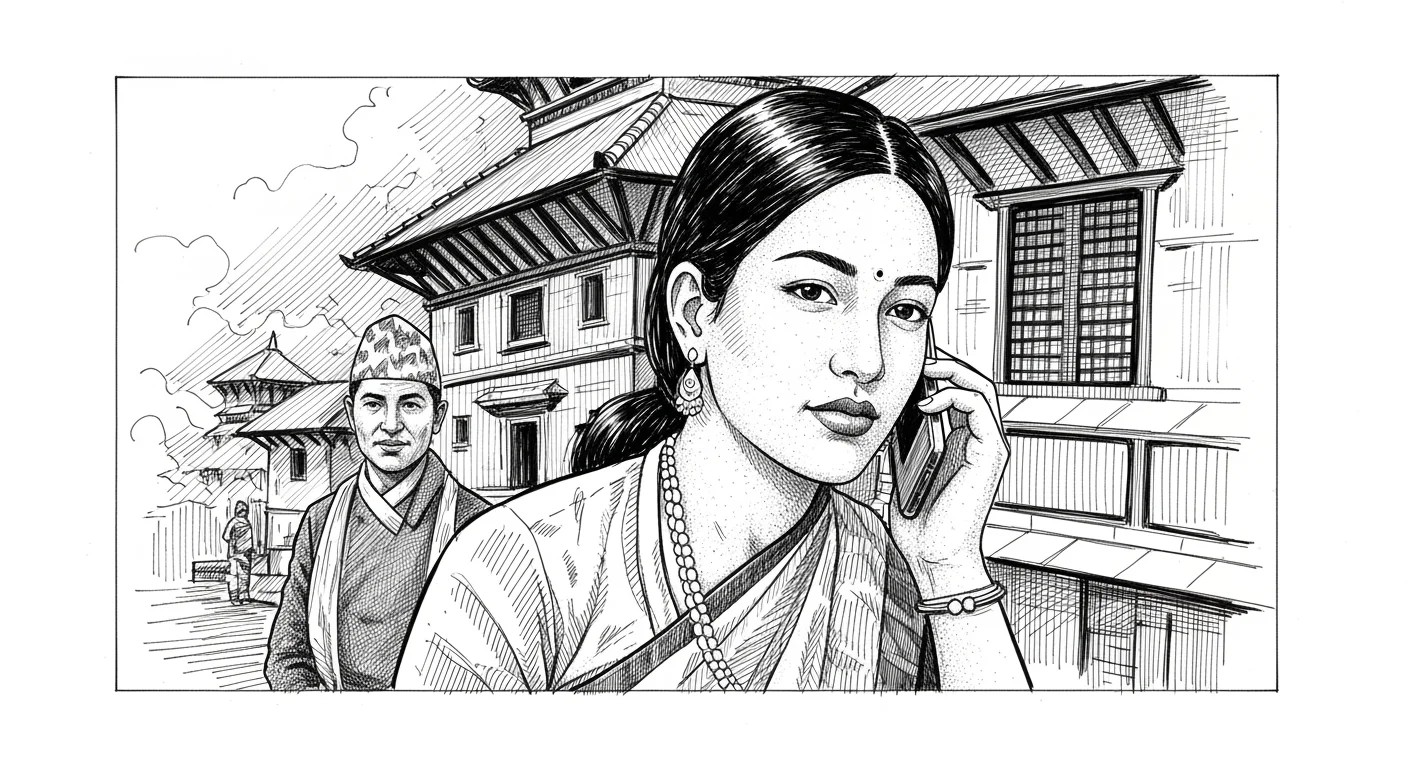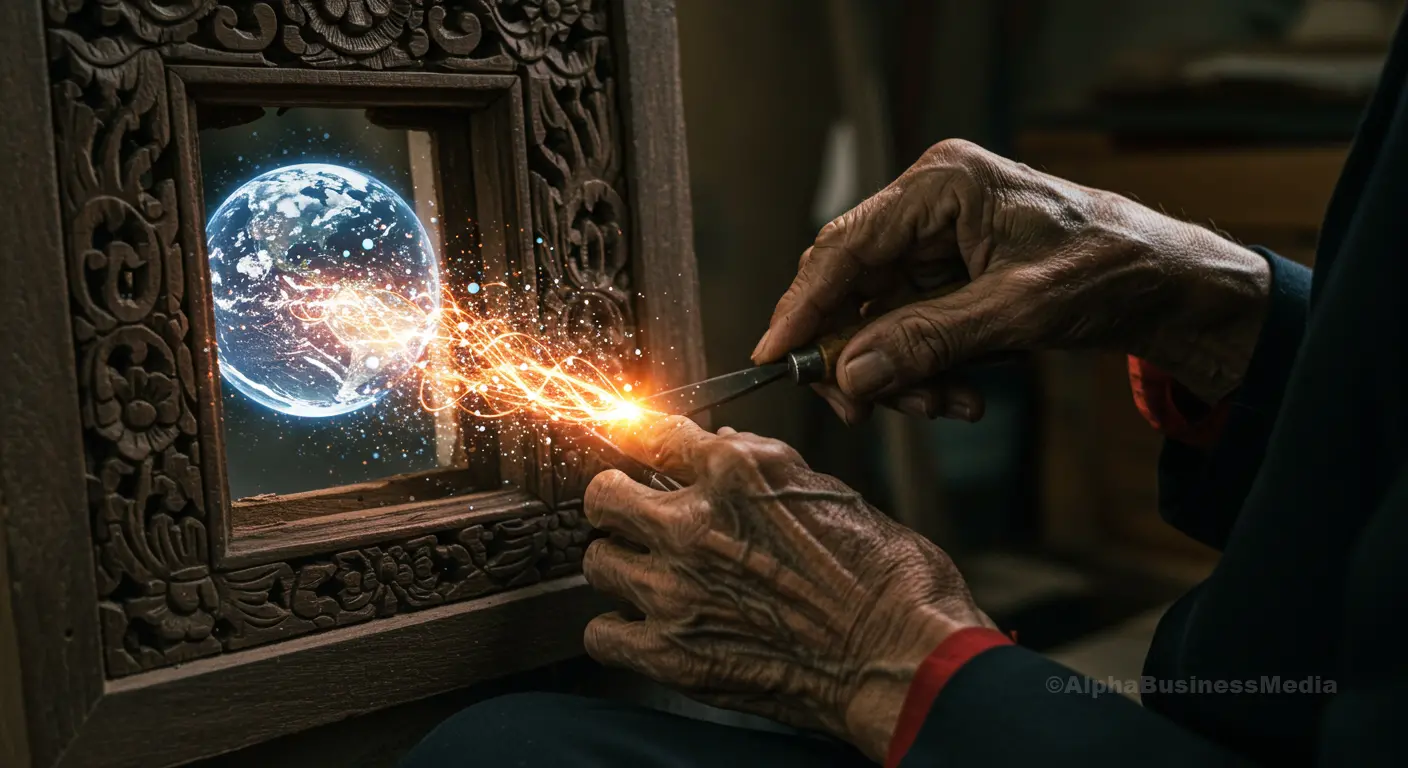
In the alleys of ancient Patan, a fifth-generation goldsmith bends over silver filigree. In a Bhaktapur workshop, a master chisel creates the intricate pattern of a wooden window frame. And in a secluded studio overlooking the Boudhanath stupa, an artist meditatively applies gold strokes to a thangka canvas. These are not scenes from the past. They are the living, breathing soul of Nepal, embodied in art passed down through generations.
These products — pashmina shawls, singing bowls, ritual masks, hand-woven carpets — have long been the calling card of Nepal. But for the global buyer thirsting for authenticity, the path to these treasures is often thorny. It runs through dozens of middlemen, tourist shops with dubious quality, and online stores where “handmade” hides soulless stamping.
In this inefficient system, the biggest loser is the main creator: the Nepalese artisan. His unique talent and hours of painstaking work earn him only a fraction of the price paid by the end consumer in New York, London or Tokyo. A huge part of the added value is lost in the long chain of wholesalers, exporters and retailers.
But today, digital technologies are ready to break down these old barriers. E-commerce, social networks and platform solutions provide a unique chance to connect a craftsman from Kathmandu and an art connoisseur from California directly. This is an opportunity not just to sell a product, but to tell its story, show the face of its creator and guarantee fair compensation for the work.
For an enterprising investor, this means opening up a completely new, virtually unoccupied niche. It is about creating online platforms that will become a bridge between Nepal’s centuries-old traditions and the global market. This is a business that is not only capable of generating high profits, but also carries a powerful social and cultural charge, helping to preserve a unique heritage and improve the lives of hundreds of artisan families.
Chapter 1. The Untapped Potential of a Market with a Human Face
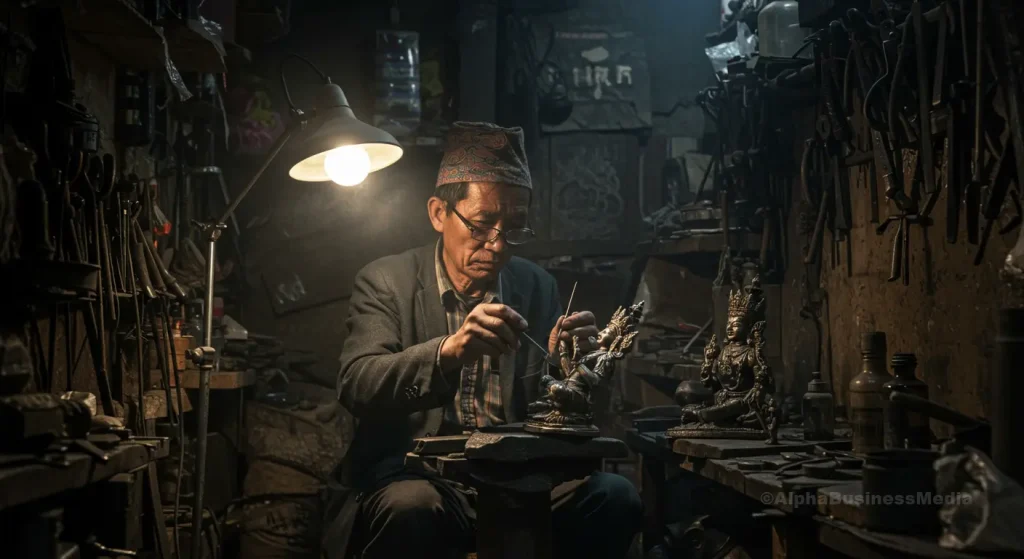
Before diving into business models, let’s take stock of the scale of the opportunity. The handcrafted goods market is not a small niche for enthusiasts, but a huge global industry.
Global Demand:
- The global market for handcrafted goods is valued at hundreds of billions of dollars and is projected to approach the $1 billion mark by the end of the decade. The main driver of growth is the change in the consumer paradigm. Millennials and zoomers are tired of the mass market. They are looking for authenticity, uniqueness, ethical production and personal history, standing behind the product.
Treasures of Nepal: Nepal offers the world an incredible variety of high-quality handicrafts:
- Textile: Cashmere (pashmina), recognized as one of the best in the world; hand-knitted wool carpets; clothing and accessories made from nettle and hemp.
- Painting: The sacred art of thangka and mandalas requires decades of training.
- Metalworking: Famous singing bowls, Buddhist statues, silver jewelry with traditional motifs.
- Wood carving: Unique window frames, masks, decorative panels.
- Other crafts: Pottery from Bhaktapur, handmade paper “lokta”.
- “Broken” value chain: Today’s path of a product from a craftsman to a customer looks something like this: Craftsman -> Local buyer -> Wholesaler in Kathmandu -> Exporter -> Importer in other country -> Retail shop -> Buyer.
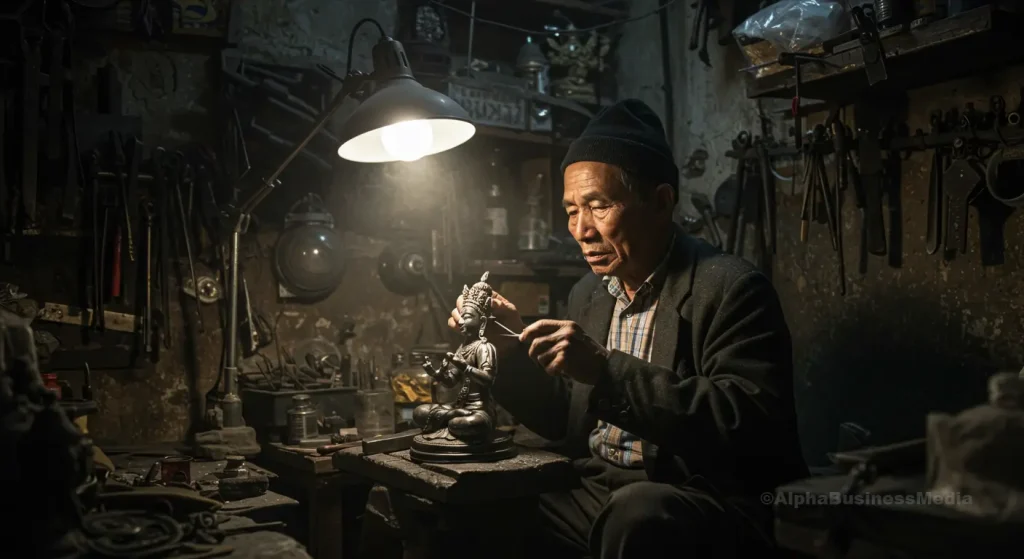
At each stage, the price increases several times. As a result, a master who has invested 100 hours of labor in creating a complex thangka can receive $150-$200 for it, while in a gallery in the US it will be sold for $2000-$3000. An online platform is able to “cut” 3-4 links from this chain, sending most of the profit directly to the creator and offering a fairer price to the buyer.
Chapter 2. Three Proven Business Models for an Online Platform
It is not enough to create “just an online store”. Success lies in choosing the right business model that will meet the needs of both artisans and buyers. Let’s consider three of the most promising approaches.
Model 1: Curated Marketplace (The Himalayan Etsy)
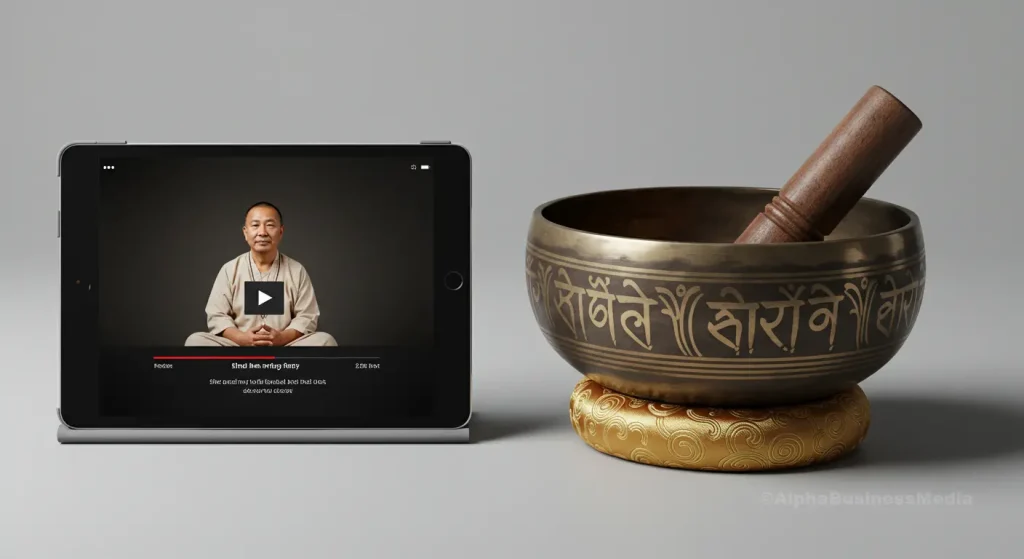
Concept:It is an online marketplace where many independent artisans or small family workshops can create their own “digital storefronts” to sell their products. The key word here is “supervised”. The platform does not simply open its doors to everyone, but carefully selects participants to ensure high quality standards, authenticity and ethical production.
How does this work:
- The platform provides the entire technical infrastructure: a convenient designer for creating an online store, tools for uploading photos and descriptions, an integrated payment system (Stripe, PayPal) and a shipping calculator.
- Craftsmen independently manage their assortment, prices and communication with customers (with the support of the platform).
- The platform team takes on global marketing, social media promotion, SEO and traffic generation.
- Centralized logistics support: The platform can enter into a corporate agreement with DHL/FedEx to offer artisans better shipping rates and help with export paperwork.
Monetization:
- Sales commission: Standard model, charging 15-25% of each transaction.
- Subscription fee: A small monthly fee to maintain the “showcase”.
- Paid services: Promotion of products within the platform, professional photography as an additional service.
Key to success:
Building trust through rigorous selection. Creating a simple and intuitive interface for artisans, possibly in Nepali. Strong focus on storytelling – each “showcase” should contain a detailed profile of the master, a video about his work process, a story about his family and traditions.
Model 2: Vertically Integrated Brand (“The Digital Artisan Guild”)
Concept: In this model, the platform is not just an intermediary, but a single brand with its own aesthetics and collections. The company does not wait for what artisans will offer, but actively collaborates with them, creating exclusive products that are sold under its own name.
How does this work:
- The brand’s team (designers, marketers) analyzes global trends in interior design, fashion and art.
- Based on this analysis, they form collection concepts (for example, “Minimalist Himalayas” or “Spiritual Artifacts for the Modern Home”).
- The company finds the best masters in specific techniques and places orders with them for the production of an exclusive line of products, providing them with sketches and quality requirements.
- The platform fully controls the entire process: purchasing raw materials, quality control at every stage, professional studio photo and video shooting, branded packaging and all logistics.
Monetization:
- Direct retail markup.The company buys products from artisans at a fixed price (providing them with a stable income) and sells them to the end consumer with its own markup.
- Key to success: Strong brand identity and impeccable taste. Strict quality control. Building long-term, partnership relationships with a small group of select craftsmen. Effective inventory and logistics management. This model requires a large initial investment, but allows for maximum marginality and brand recognition.
Model 3: The Experience + Purchase Platform (The Virtual Workshop)
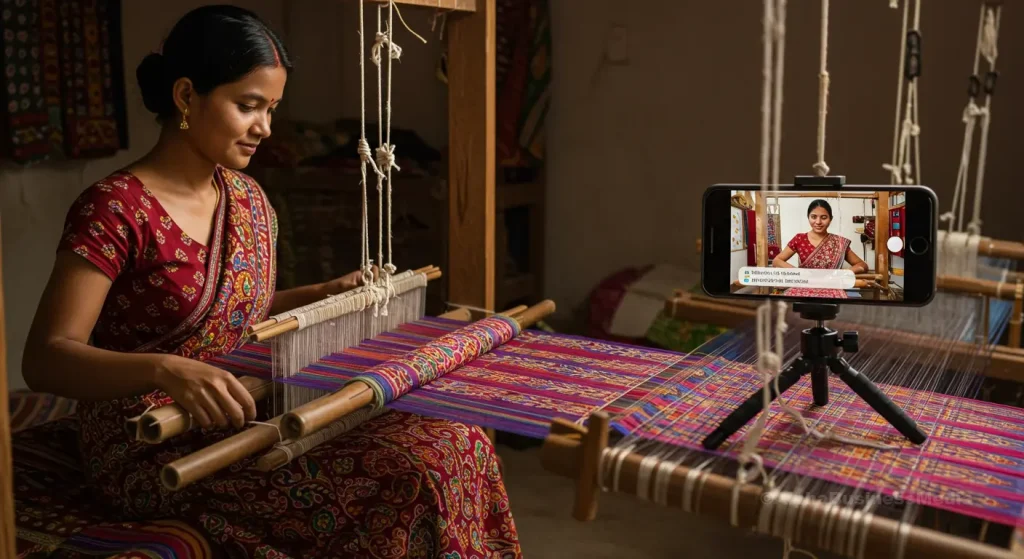
Concept: The most innovative and immersive model. It sells not just a finished product, but involvement in its creation and a unique cultural experience. It is a hybrid of e-commerce, online education and interactive entertainment.
How does this work:
- Live Shopping from the workshop: Organizing regular live broadcasts from workshops, where viewers can watch in real time how a master creates a singing bowl or draws a mandala. During the broadcast, you can ask questions, communicate with the master (through a translator) and immediately buy a finished or similar product.
- Online Master Classes: Selling access to exclusive video tutorials from masters, where they share the secrets of their craft.
- “Create your own design”: An interactive online designer that allows the customer to customize the product. For example, choose the thread colors for a pashmina, order the carving of their initials on a wooden box, or choose a specific set of symbols for painting a thangka.
Monetization:
- Direct sales of goods.
- Sale of tickets for exclusive online workshops.
- Product customization fee.
- Key to success: Investments in high-quality video equipment and streaming technologies. The presence of charismatic presenters-translators in the team, capable of making broadcasts fascinating. Strong work with the community (community management) to create a loyal audience. This model allows you to create the strongest emotional connection between the buyer and the brand.
Chapter 3. Practical Implementation Plan: From Idea to First Sale
- Formation of the Artisans Network:
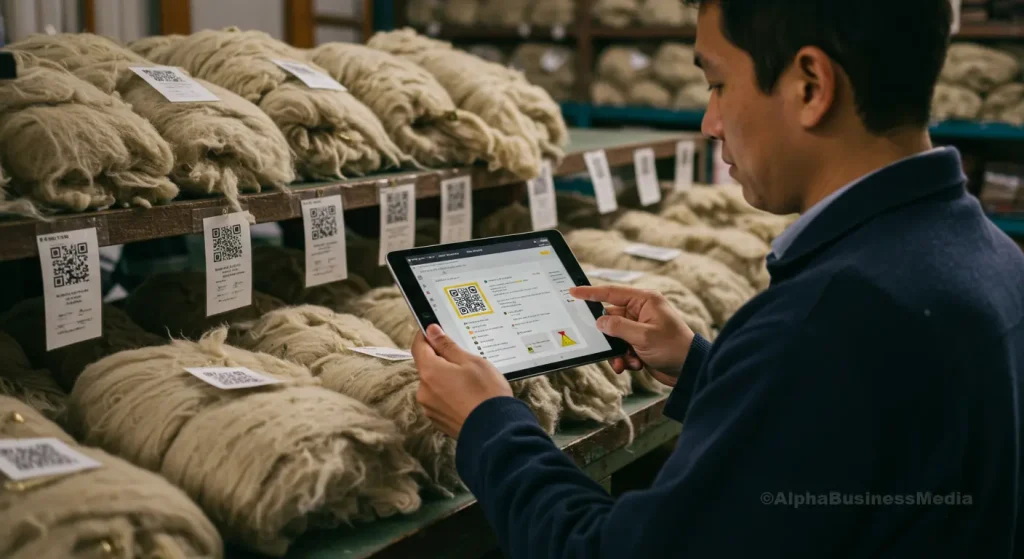
Start with “field work” in the Kathmandu Valley (Patan, Bhaktapur, Kirtipur). Visit workshops, meet the masters, choose those whose works and philosophy are close to you. The main principle is Fair Trade. Be transparent about pricing from the start.
- Selecting a Technology Platform:
- To start (Model 1): Shopify with multi-vendor plugins is the fastest and most cost-effective option.
- For Model 2 and 3: Magento or custom development on frameworks like React/Vue.js will give you more flexibility to create a unique user experience.
- Payments: Integrate international payment gateways (Stripe, PayPal) that work well with Nepal.
- Content Creation – Visual Storytelling:
This is 50% of success. Invest in a professional photographer and videographer. You don’t just need catalog photos of the product on a white background. You need:
- Portraits of Masters at work.
- Video about the process creation.
- Photos of products in the context of a modern interior or as part of a fashionable look.
- Short interviews with artisans.
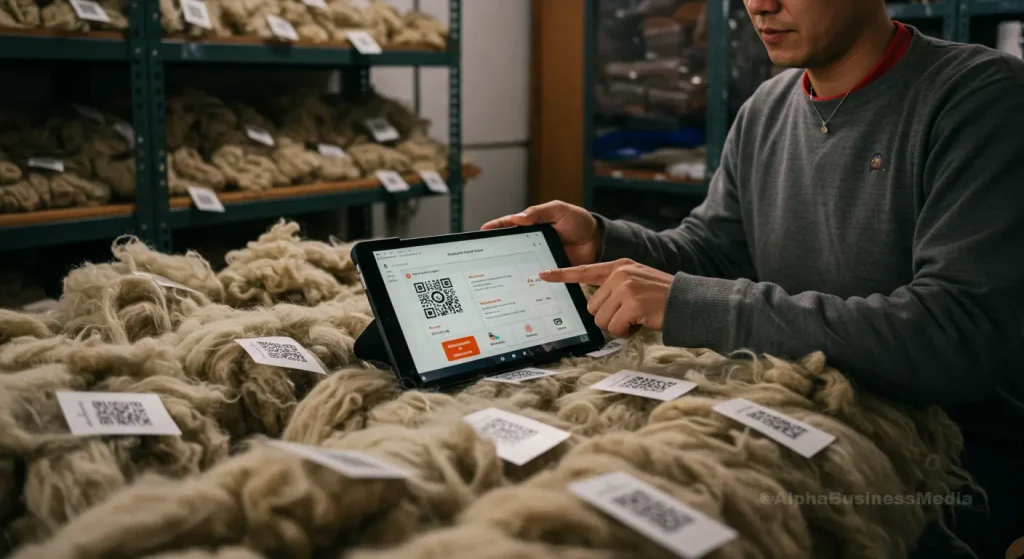
- Solution to the Logistics Puzzle:
This is the most difficult stage.
- Partnership: Sign a corporate contract with DHL, FedEx or Aramex for shipping from Nepal. This will allow you to get a volume discount and simplify the process.
- Package: Develop reliable, yet aesthetically pleasing, eco-friendly packaging that will protect fragile products during transportation.
- Documentation: Hire a customs broker who will handle all the necessary export documents (certificates of origin, etc.).
- Launching Digital Marketing:
- THIS: Optimize your website for queries like “authentic singing bowl Nepal”, “handmade pashmina shawl”, “ethical Nepali jewelry”.
- Social media: Instagram and Pinterest are your main tools. Visual content is everything here.
- Content Marketing: Keep a blog on the site, telling about the history of Nepalese crafts, the symbolism of patterns, production techniques.
- Collaboration with influencers: Send your products to travel bloggers, interior designers, fashion influencers who value ethnic and handmade items.
Conclusion: More Than Just Business

Creating an online platform to sell Nepalese handicrafts is a business idea that lies at the intersection of commerce, technology, and social entrepreneurship. In a world dominated by impersonal products, the demand for authenticity, craftsmanship, and human storytelling will only grow.
Entrepreneurs who venture into this niche will face challenges, especially in logistics and quality control. But the rewards will be immeasurably greater. They will not only build a profitable international business. They will give a voice and a stable future to hundreds of Nepalese craftsmen. They will help preserve disappearing techniques and traditions. And they will give the world the opportunity to touch the real, living heart of Nepal without leaving home. This is a rare case when business success is measured not only in money, but also in a real positive contribution to the preservation of world culture.st a successful business, but a lifelong pursuit that brings benefits and leaves a positive mark on this planet.