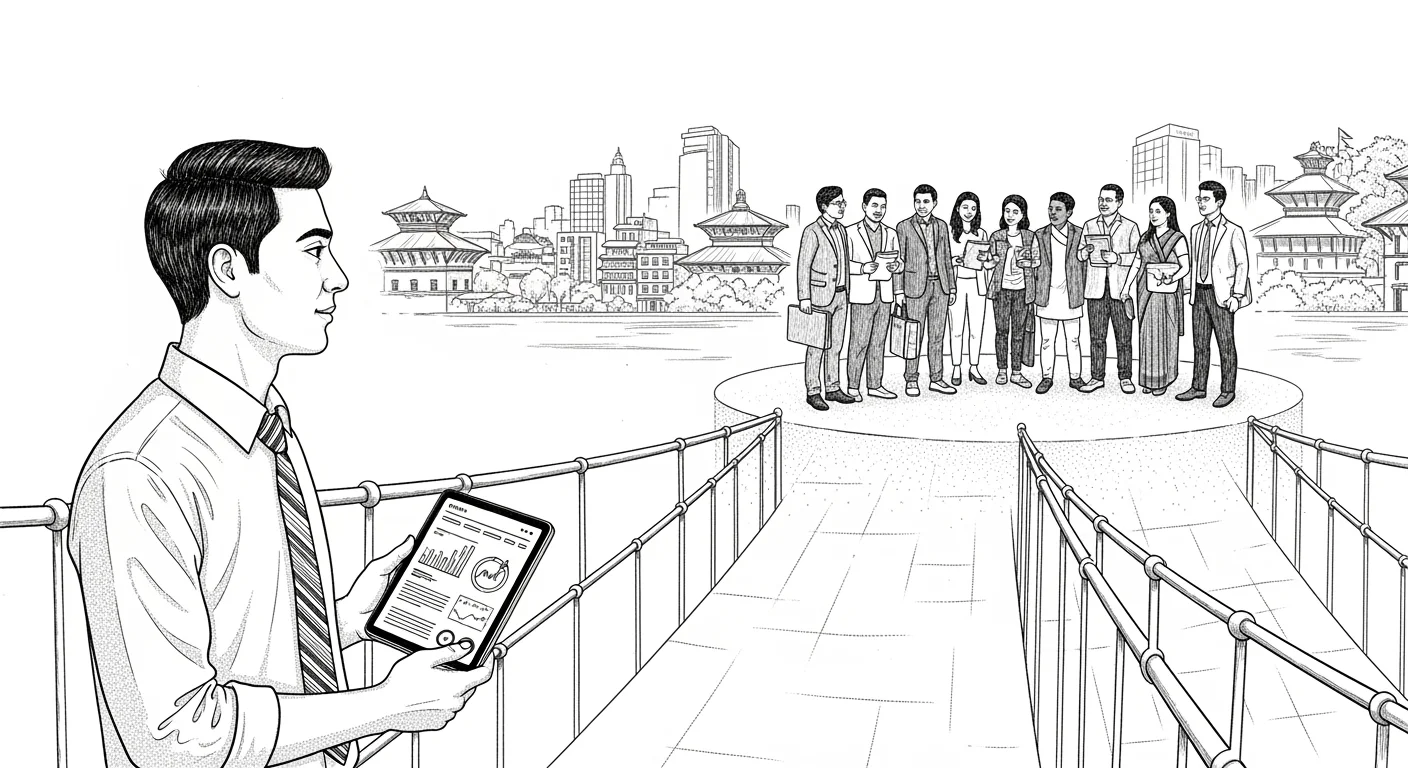
Kathmandu is a city of contrasts. Ancient temples sit alongside sprawling urban sprawl, spiritual serenity sits alongside the deafening noise of traffic, and incredible growth energy sits alongside enormous pressure on outdated infrastructure. The rapid, often unplanned urbanization that is being experienced not only in the capital but also in other major cities in Nepal, such as Pokhara and Biratnagar, has created a host of chronic problems: mountains of garbage on the streets, logistical collapse during rush hours, and a severe shortage of modern, affordable workspace.
For the average person, it’s a daily inconvenience. For the government, it’s a headache. But for the visionary entrepreneur, it’s a treasure map. The most acute, the most visible, and the most painful urban problems today represent the most promising and as yet untapped business niches. While traditional markets are becoming increasingly competitive, solving fundamental urban problems opens up the possibility of creating a new type of company – high-tech, socially significant, and potentially very profitable.
The modern investor and consumer are increasingly looking for solutions that bring not only commercial benefits but also positive changes. And this is where the essence of the opportunity lies: you can earn money by making Nepal’s cities cleaner, more efficient and more comfortable to live and work in. The demand for such services is already huge and will only grow.
This article is a practical analysis of three key problem areas and a ready-made set of business ideas to solve them. We look at how to turn a waste crisis into a source of income, how to unravel a transportation hub with smart logistics, and how to meet the growing demand for flexible workspaces in the era of remote work. These are not just ideas; they are a roadmap for creating the next generation of successful Nepali companies.
Chapter 1. The Garbage Crisis as a Resource: Rethinking Waste Management
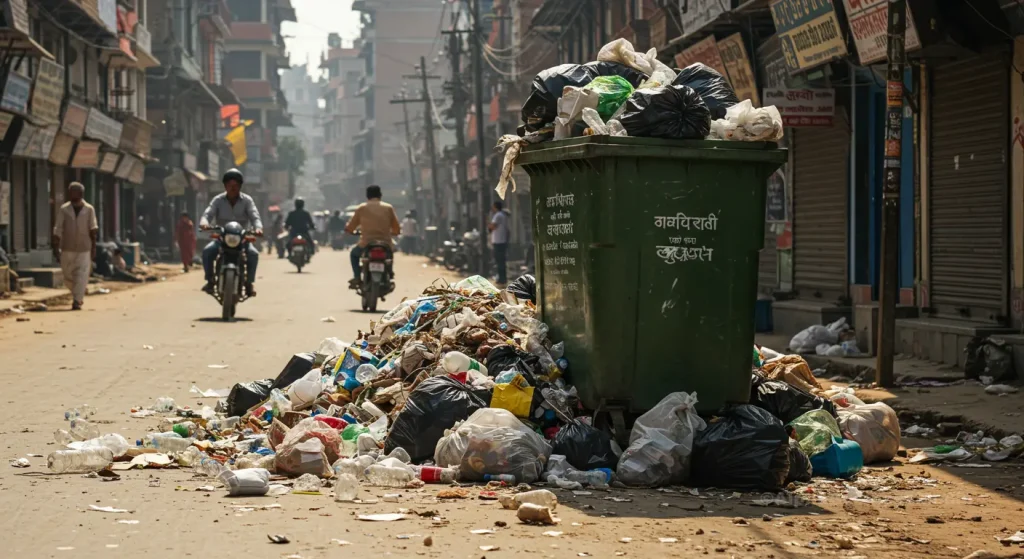
Problem: Every day, the Kathmandu Valley generates more than 1,200 tons of municipal solid waste. Most of it, without any sorting, is sent to the overflowing landfill in Sisdol, which has long since exhausted its resources and is an ecological time bomb. The collection system is ineffective, waste segregation at the household level is almost non-existent, and only a small proportion of valuable fractions are recycled. The result is pollution of rivers, soil, air and a constant threat to the health of city residents.
Business Opportunity: Transformation of the linear model of “collect-take away-bury” into a circular economy, where waste is viewed not as garbage, but as a valuable resource.
Business Model 1: “Uber for Trash” – Smart Collection Platform
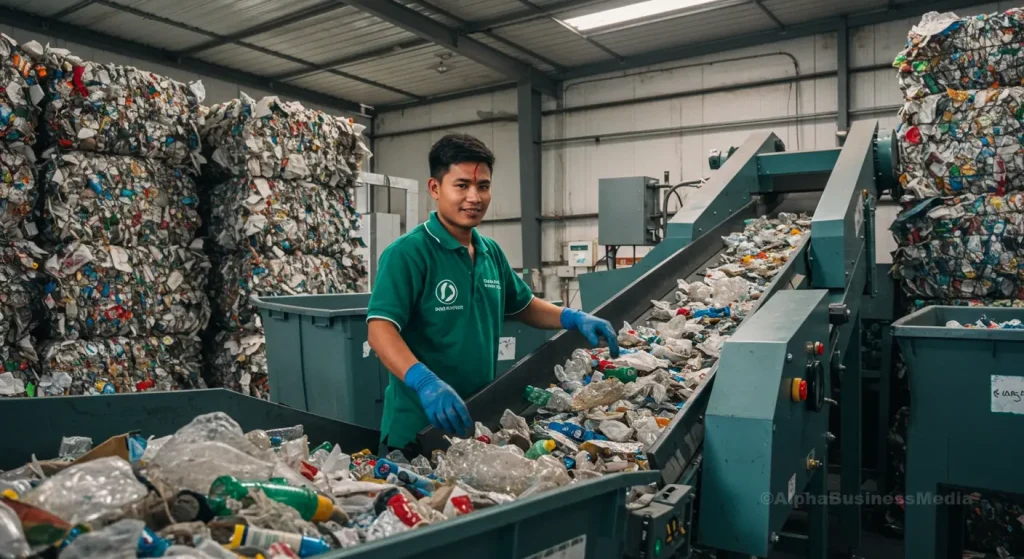
- Concept: To create a mobile app and web platform that connects households, offices and restaurants with private waste collectors. The platform solves the main problem – lack of sorting and irregular collection.
How does this work:
- User Interface: Clients register in the application, select a tariff plan and can order garbage removal in one click.
- Motivation system: The key feature is the system of incentives for sorting. Users who separate waste into fractions (organic, plastic, paper, glass, e-waste) receive discounts on the subscription fee, cashback or bonus points that can be spent with partners.
- Optimization for assemblers: The application builds optimal routes for garbage trucks based on the requests received, which reduces fuel consumption and time. Collectors know exactly where and what type of garbage they need to pick up.
Monetization:
- Subscription fee from clients (households and legal entities).
- Sale of sorted secondary raw materials (plastic, paper, metal) to large recycling companies.
- Sale of data (in anonymized form) to municipalities for analysis and planning of urban infrastructure.
Business Model 2: Decentralized Organic Recycling
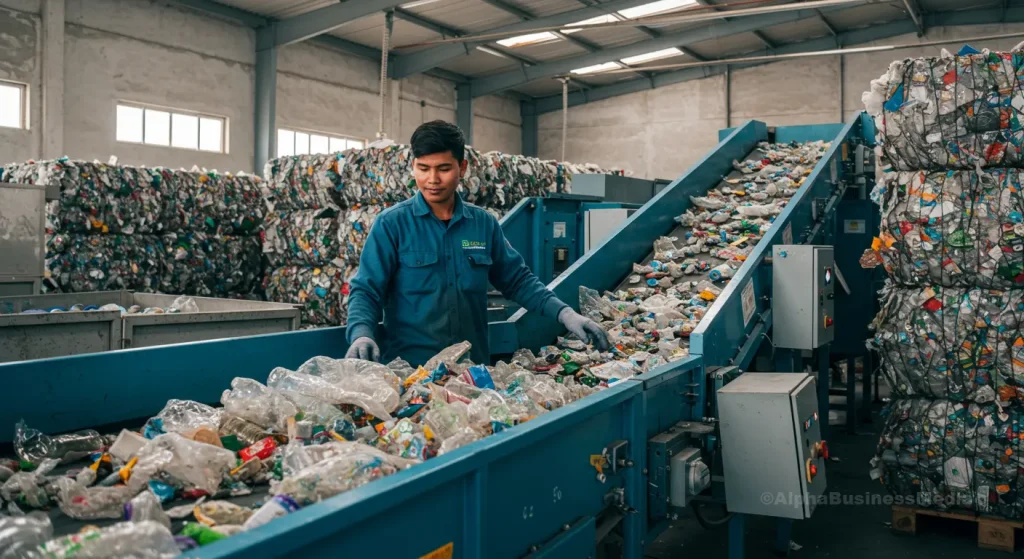
- Concept: Organic waste accounts for 60-70% of all garbage that ends up in landfills. The solution is to create a network of small, local composting centers in different areas of the city.
How does this work:
- The center is a small area where food waste is quickly converted into high-quality organic fertilizer using aerobic or vermicomposters (using earthworms).
- Raw materials come from households and restaurants connected to the platform from Model 1, or through direct contracts with residential complexes and markets.
- The finished product – branded compost and liquid fertilizers – is packaged in convenient packaging.
Monetization:
- Selling ready-made fertilizers to city dwellers who enjoy gardening on balconies and roofs (the “urban gardening” trend).
- Supplies to plant nurseries, flower shops and organic farms in the Kathmandu area.
- Fee for disposal of organic waste from restaurants and hotels.
Chapter 2. Unraveling the Transport Hub: Smart Urban Logistics
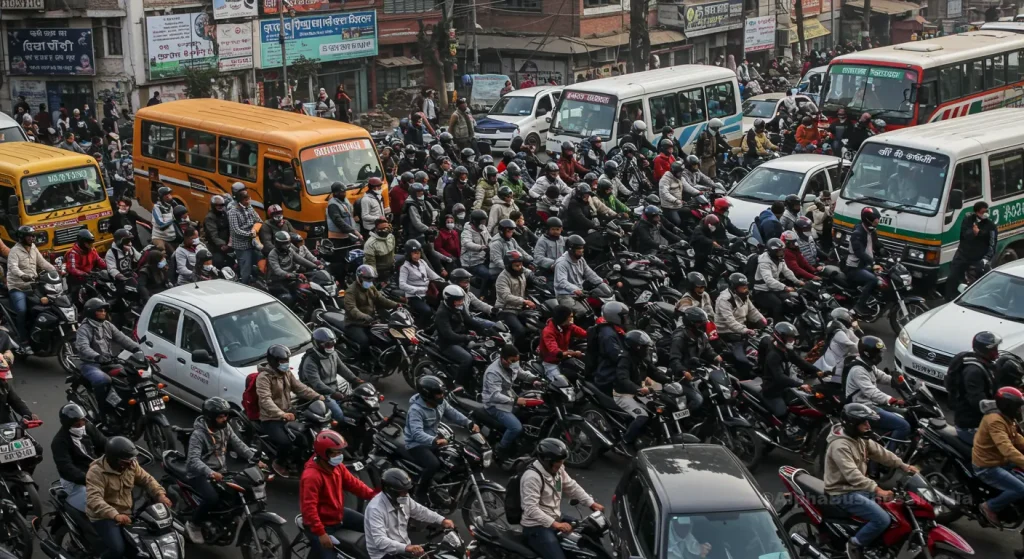
Problem: Kathmandu’s narrow streets, chaotic traffic, lack of parking and huge amounts of private transport create a daily traffic jam. For businesses, this translates into a serious “last mile” problem – the final and most expensive stage of delivering goods to the customer. Traditional courier services are inefficient, expensive and pollute the already bad air.
Business Opportunity: Creating flexible, fast and environmentally friendly logistics solutions based on digital platforms.
Business Model 1: Hyperlocal Delivery by Electric Scooters
- Concept: A platform that provides ultra-fast delivery services (15 to 60 minutes) within a certain area or several neighboring areas. The basis of the fleet is maneuverable and environmentally friendly electric scooters or bicycles.
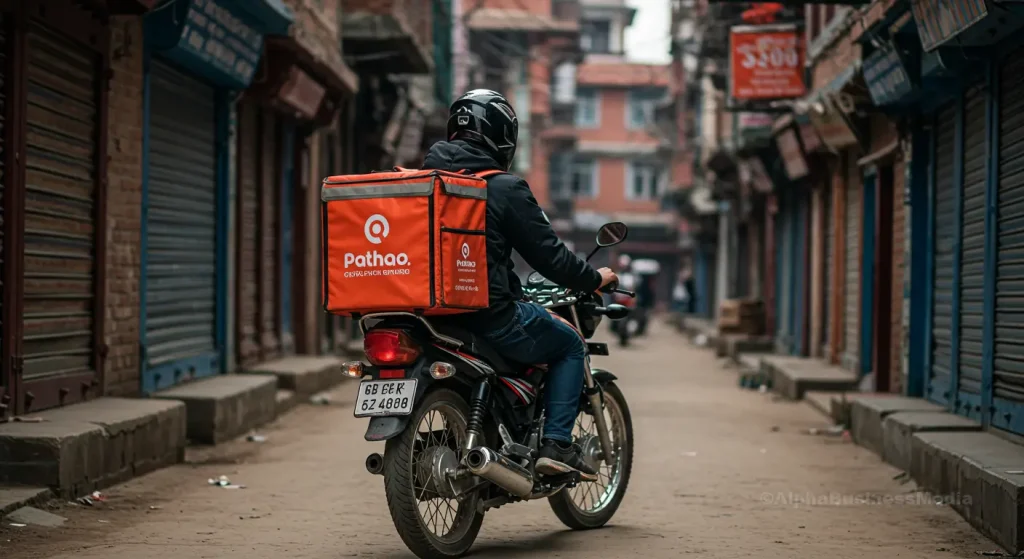
How does this work:
- Target customers: Small and medium businesses – restaurants, pharmacies, online stores, grocery stores that cannot afford to maintain their own staff of couriers.
- Technology: The platform aggregates orders from different partners and distributes them among the nearest available couriers using a smart algorithm. Customers and recipients can track the delivery in real time.
Monetization:
- Commission from each order, charged to the partner (restaurant, store).
- A fixed shipping fee paid by the end customer.
- Subscription model for companies with high volume deliveries.
Business Model 2: Network of Urban Micro-Warehouses (“Dark Stores”)
Concept:
- A solution to the problem of slow delivery for e-commerce. Instead of one large warehouse on the outskirts of the city, a network of several small warehouses (“dark stores”) is created in densely populated residential areas. These warehouses do not serve customers directly, but operate exclusively as fulfillment centers for online orders.
How does this work:
- The company rents small premises (50-100 sq.m) in strategic locations in the city.
- Online stores place their most popular products in these warehouses.
- When an online order is placed, it is processed and shipped from the nearest micro warehouse, reducing delivery time from days to hours.
Monetization:
- Fulfillment as a Service: Providing a full range of services (storage, assembly, packaging, delivery) for e-commerce projects for a subscription fee or commission on turnover.
Chapter 3. The New Era of Work: Affordable and Inspiring Coworking Spaces
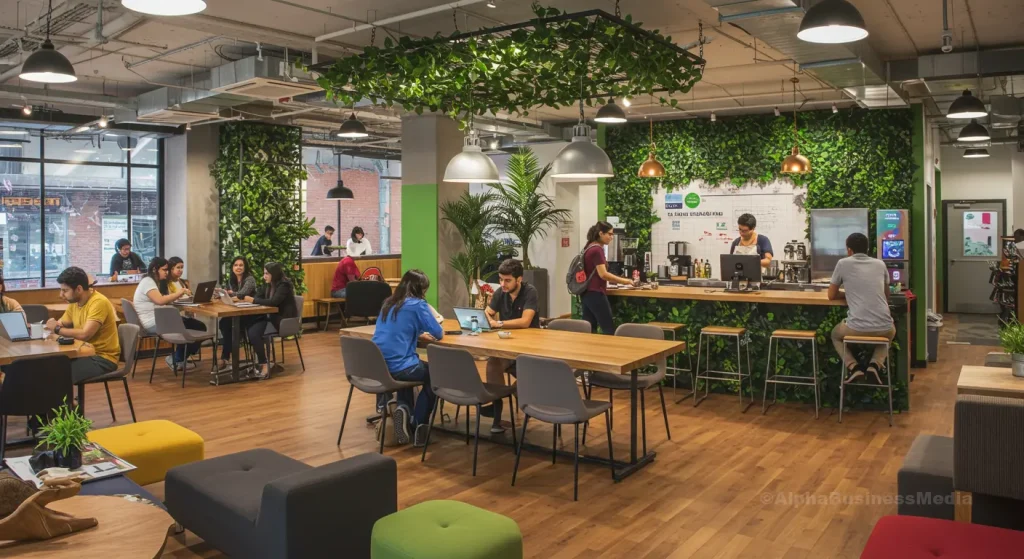
Problem: Kathmandu is home to a rapidly growing number of freelancers, IT professionals, startups, and employees working remotely for foreign companies. Working from home is often impossible due to constant power outages, unstable internet, and household distractions. Existing coworking spaces are either too expensive or not up to par.
Business Opportunity: Creating flexible, accessible and community-oriented workspaces.
Business Model 1: Niche Coworking Hubs
- Concept: Instead of a universal “office for everyone,” the creation of specialized spaces tailored to the needs of a specific professional audience.
Examples:
- “Creative Hub”: A space for designers, photographers, videographers and podcasters, equipped with a photo studio, editing rooms and a recording studio.
- “Tech Hub”: Coworking space for programmers and startups with high-performance computers, meeting rooms for pitches, and a room for meetups and hackathons.
- “Wellness Hub”: A space for those who value work-life balance, with meditation areas, a mini-gym, a massage room and a focus on silence and concentration.
- Monetization: Multi-level membership packages (from flexible space to a private office), rental of specialized equipment and premises, and paid educational courses and events.
Business Model 2: Distributed Network of “Cafe-Coworking”
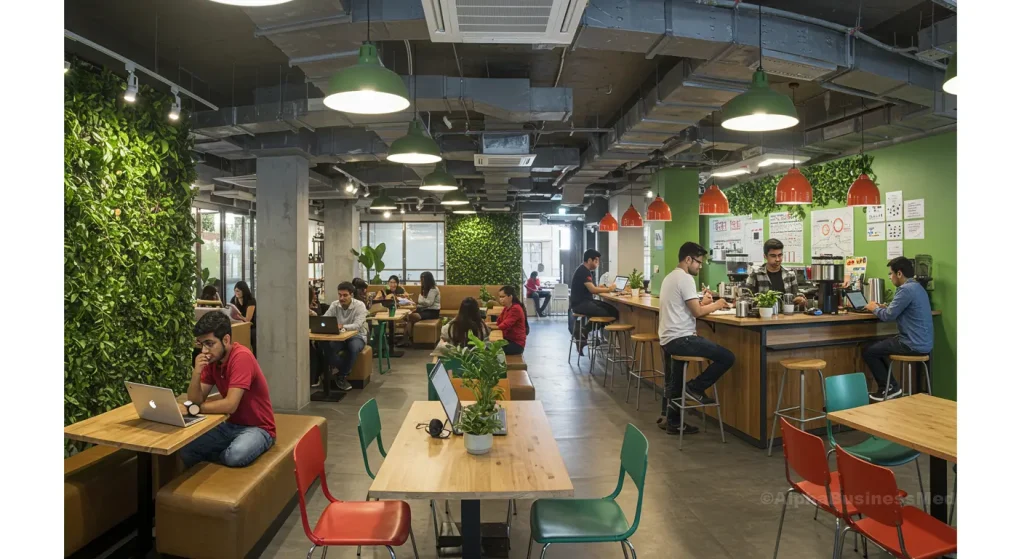
- Concept: A lightweight and scalable model that does not require huge investments in rent and renovation. Creating an aggregator platform that turns unused spaces in existing cafes, restaurants and hotels into mini-coworkings.
How does this work:
- The company enters into partnership agreements with establishments that have free zones during the daytime.
- The company equips these zones with reliable Wi-Fi, additional power outlets and comfortable furniture.
- The user purchases a single subscription in the application and gains access to any workstation on the network.
Monetization:
- Selling daily, weekly and monthly passes to users.
- A portion of the proceeds from subscriptions is transferred to partner establishments, which receive additional income and new customers who order food and drinks from them.
Conclusion: Building the Future Through Problem Solving
The urban challenges of Kathmandu and other Nepalese cities are not a death sentence, but an invitation to action. The business models presented prove that the most pressing problems can become the basis for creating sustainable, profitable and innovative companies.
These ideas share several key principles: they use modern technology to solve old problems, they focus on building a strong community around their product, and they operate on a “triple win” principle, bringing profit to the founders (Profit), improving the urban environment (Planet), and creating new jobs and opportunities for citizens (People).
It is time for Nepal’s entrepreneurs and investors to stop looking at garbage, traffic jams, and lack of office space as intractable problems. It is time to see them as the contours of new, fast-growing markets. Those who build businesses around these challenges today will shape Nepal’s cities tomorrow and reap the rewards of their visionary approach.
[elementor-template id=”1573″]