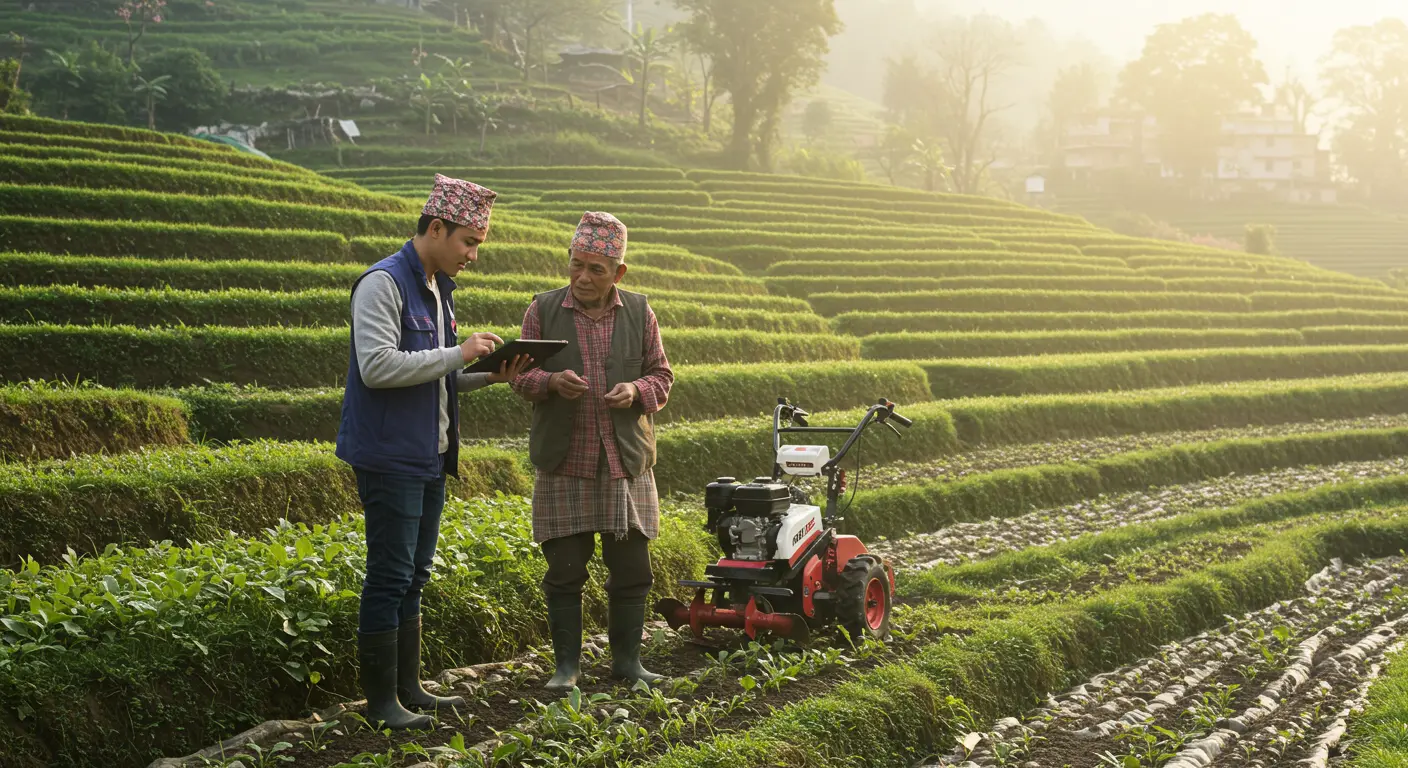
Family Business in Nepal – at the Crossroads of Tradition and the Future
Family businesses play a key role in Nepal’s economic and socio-cultural structure. They are the backbone of the economy, especially in vital sectors such as agriculture, which accounts for a significant share of GDP and employment.1, as well as in the handicrafts and dynamic tourism sector. These businesses not only create jobs, but also often act as guardians of unique cultural traditions and craft skills passed down from generation to generation.5Their sustainability and development directly impact the economic well-being and preservation of the country’s cultural identity.
However, Nepali family businesses today face a complex set of interrelated challenges that require a measured and strategic approach. First, transfer of control– an effective and harmonious transition of leadership from the older to the younger generation, a process often complicated by cultural norms and family dynamics. Secondly, it is modernization – an urgent need to adapt to modern market conditions by introducing new technologies, management practices and business models to improve competitiveness. Thirdly, it is preservation of heritage – a task no less important than the previous ones, consisting of preserving the unique identity, traditions, values and reputation of the company, which are often its main competitive advantage.
This report pays particular attention to the fourth, cross-cutting challenge: ensuring internal stability. Any transformation, whether it is a change in leadership or the introduction of innovations, carries the potential for internal conflicts that can undermine the company from within if not managed properly.

Successfully addressing one of these challenges, such as modernization, may inadvertently exacerbate another, such as preserving heritage, or trigger generational conflict if a comprehensive, integrated approach is not taken. Modernization often involves the introduction of new technologies and business models that may be radically different from traditional ways of working. The older generation is usually the guardian of the company’s traditions and heritage and may perceive such changes as a threat to this heritage. The younger generation, often the driver of modernization, may encounter resistance from the older generation, leading to internal friction and conflict. Consequently, the pursuit of modernization without due consideration and respect for heritage and without involving all generations in the decision-making process can undermine the company’s uniqueness and its internal stability. This highlights the need for a balanced strategy that takes all aspects into account simultaneously.
Moreover, the sustainability and success of family businesses are critical not only for the families themselves, but also for preserving Nepal’s cultural diversity and economic stability at the local and national levels. Family businesses in Nepal are not just economic entities; they often embody unique cultural traditions, craft skills, and local character.5Their disappearance or transformation without preserving their heritage will impoverish the country’s cultural landscape. Being significant employers, especially in rural areas and in traditional sectors2, their stability directly affects the level of employment, income of the population and the social structure of communities. Thus, supporting family businesses is an investment in the socio-economic and cultural sustainability of Nepal.
The purpose of this study is to provide Nepalese family businesses with a comprehensive analysis and practical recommendations for navigating these complex processes. The report is structured to address each challenge sequentially, taking into account Nepal’s unique cultural and economic context, and to propose strategies for achieving a balance between tradition and innovation, ensuring long-term prosperity.
2. Cultural and economic landscape of Nepalese family business

Successfully managing a family business in Nepal requires a deep understanding of both the country’s cultural characteristics and the current economic context. These two aspects are closely intertwined and have a direct impact on decision-making, internal dynamics, and the development prospects of the companies.
2.1. Key cultural determinants and their impact on business processes
Nepalese culture is characterized by a number of features that create a unique business environment:
- Hierarchy and respect for elders: Traditionally, age and position in the hierarchy are highly respected in Nepalese society. In the context of family businesses, this means that decisions are often made at the highest level, and the authority of senior family members or the founders of the company is significant.9This approach can provide stability and adherence to time-tested practices, but it can also slow down innovation, especially if new ideas from younger generations are not given due consideration or challenge the established order.
- The importance of personal relationships and trust: Business relationships in Nepal are often built on strong personal connections and mutual trust, rather than just formal contracts.9Reputation and word-of-mouth play a huge role in attracting clients and partners.10For example, the success of establishments such as the Bajeko Sekuwa restaurant chain or a small family-run bakery in Kathmandu is largely due to positive word-of-mouth reviews.10This can be a strength for established family businesses with a good reputation, but it creates certain challenges for those trying to implement more formal, transactional approaches, or for new players in the market.
- Hospitality: Offering tea or refreshments to guests is standard practice and an important element in establishing rapport and trust in a business environment.9 This reflects the overall culture of hospitality in the country and helps to build positive personal relationships.
- “Saving Face”: This cultural norm dictates avoiding direct confrontation, criticism, or actions that might embarrass someone or cause public condemnation.9Communication is often indirect, and special attention is paid to maintaining harmony in relationships. In business, this can make it difficult to openly discuss problems, express disagreement, or provide constructive criticism, especially in relationships between subordinates and managers or junior and senior family members. Formal conflict resolution systems in Nepal are often described as complex and expensive, highlighting the importance of effective internal mechanisms that take this cultural feature into account.13
- Collectivism: The emphasis on the interests of the group (family, community) often prevails over individual ambitions.12Decisions can be made with the views and well-being of the entire group in mind. This promotes cohesion and mutual support within the family business, but can sometimes stifle individual initiative and risk-taking that is necessary for innovation.
2.2. Economic context
Nepal’s economic environment also leaves its mark on the functioning of family businesses:
- Dominance of agriculture: Agriculture remains the backbone of Nepal’s economy, providing employment to a large portion of the population.1and making a significant contribution to GDP.1The main food crops are rice, corn and wheat.15Important cash crops, often produced by family businesses, include tea, coffee, cardamom, ginger, jute and sugarcane.15Many family businesses are either directly involved in agriculture or closely linked to it through processing, trading or service provision.
Agricultural issues affecting family businesses:
- Land fragmentation: The average landholding size in Nepal is small15, which seriously complicates the application of modern agricultural machinery and the transition to efficient commercial production.18This has a direct impact on the profitability and modernization potential of agricultural family enterprises.
- Access to capital and technology: Limited access to bank loans and financial resources, as well as to modern agricultural technologies, is a serious obstacle to growth and modernization.15Lack of capital and financial knowledge hinders the transition from subsistence to commercial farming.18
- Infrastructure limitations: Insufficient development of irrigation systems (only about 28.8% of arable land is irrigated25), transport networks (Nepal has one of the worst road infrastructures in Asia2) and logistics increases costs, reduces the quality of products (especially perishable ones) and limits access to markets.19
- Shortage of skilled labor: Mass labor migration of young people abroad35creates labor shortages, especially in agriculture and tourism, which increases labor costs and hinders development.
- Impact of remittances: Remittances from migrant workers account for a significant portion of Nepal’s GDP (around 21-25%).2) and are an important source of income for many households. In 2022, remittances reached US$831 billion globally, with more than three-quarters of this amount going to low- and middle-income countries, including Nepal, which has one of the highest remittance-to-GDP ratios in the world.42In the first nine months of the 2024/25 fiscal year, remittance inflows to Nepal increased by 10% to NPR 1191.31 billion (approximately US$8.74 billion).44These funds support consumption and improve the balance of payments, but can also contribute to the so-called “Dutch disease”, reducing the competitiveness of domestic production (especially in agriculture and industry) and increasing dependence on imports.43
- Import dependence and trade deficit: Nepal is heavily dependent on imports of essential goods, including food.50and industrial goods. The trade deficit is a persistent problem.55For example, in the first eight months of the 2024/25 financial year, the trade deficit was NPR 987.39 billion.61A significant portion of government revenues (about 40-44%) is generated through customs duties on imports.63
- Political instability and its impact on the economy: Frequent changes of government and political uncertainty can negatively impact investor confidence, the implementation of long-term projects and economic stability in general.67This creates additional risks for family businesses, which find it difficult to plan for development in the context of constantly changing rules of the game.
2.3. Interrelationship between cultural and economic factors
Cultural norms and economic realities in Nepal are closely intertwined and have complex effects on family businesses. For example, the importance of personal relationships and hierarchy (cultural factors) directly influences economic decisions such as access to credit. Research shows that access to finance for rural households depends not only on formal criteria but also on social networks and trust.18In this context, agricultural cooperatives, built on collective principles and trust within the group, play an important role in helping farmers overcome financial barriers.71
Word of mouth, being a powerful and cost-effective marketing tool in a culture based on trust10, has a downside. If customer expectations are not met, especially in terms of quality or service12, negative information can also spread quickly. In a culture where “saving face” is valued,9and direct criticism is rare, dissatisfaction can be expressed indirectly, causing damage to reputation that is difficult to repair due to the lack of direct and frank feedback.
The drive for modernization, especially in agriculture, faces a paradoxical situation. On the one hand, there is a need to introduce new technologies to increase productivity.74On the other hand, the outflow of young people to work abroad36creates a labor shortage.74At the same time, the influx of remittances can distort economic incentives, reducing the attractiveness of investment in labor-intensive industries such as traditional agriculture and exacerbating symptoms of the “Dutch disease.”43Thus, modernization requires not only financial investments, but also solutions to structural problems related to human capital and macroeconomic imbalances.
Table 1: Key cultural factors in Nepalese business and their impact on family businesses

Table 2: Common problems of family businesses in Nepal (with emphasis on the agricultural sector)

3. Transferring Management to the Next Generation: Strategies for Success
Transferring control of a family business is one of the most complex and critical stages of its life cycle. In Nepal, where cultural traditions and family ties play a special role, this process takes on additional specificity. Successful succession requires not only formal planning, but also a deep understanding of human relationships, a balance between respect for the experience of elders and recognition of the potential of young people.
3.1. Developing a formalized succession plan

Despite the importance of personal relationships in Nepalese business culture, the lack of a formal succession plan can lead to serious problems, including conflicts, loss of control, and even business collapse. Early and open planning is therefore key.
- The importance of early planning: The succession planning process should begin well before the current leader is expected to leave. This allows enough time to prepare the successor, resolve legal and financial issues, and allow the family and employees to adjust to the upcoming changes.
- Open discussion: Involving all stakeholders – the founder, potential successors, other family members, key employees – in discussing succession plans promotes transparency and reduces the risk of misunderstandings and hurt feelings. However, it is important to take into account the cultural specificity of Nepal: in a culture where respect for elders and hierarchy play a large role9, open discussions of succession, especially when initiated by younger family members, may be perceived as premature or even disrespectful. Therefore, such discussions should be conducted sensitively, perhaps with the help of a respected mediator.
- Defining criteria for selecting a successor: The selection of a successor should be based not only on family ties, but also on objective criteria such as management competencies, professional experience, interest in business, commitment to family values and the company’s vision.
- Legal and financial aspects: The plan should clearly define the mechanisms for transferring property (shares, interests), management powers, and address issues of taxation and inheritance. Consultations with lawyers and financial advisors familiar with the specifics of Nepalese law are mandatory.
3.2. Integration of the young generation
Successful succession depends largely on how effectively the younger generation is integrated into the business and prepared to assume leadership roles.
- Gradual involvement: Young family members should be introduced gradually, starting with specific tasks and gradually expanding their area of responsibility. Giving them real projects and decision-making authority helps develop their management skills and self-confidence.
- Bridging the generation gap: This is one of the most difficult tasks. The older generation has invaluable experience and knowledge of the specifics of business, while the younger generation, often having received a modern education (possibly abroad, given the trends of the outflow of young people36), can be a bearer of innovative ideas and knowledge about modern technologies (for example, digitalization, implementation of CRM systems, online marketing75). The key to success is to create an atmosphere of mutual respect, where the experience of elders is valued and new ideas of younger ones are carefully considered.
- Often the conflict “Tradition vs. Innovation” becomes the core of the succession problem. The transfer of management is not just a change of leadership, but a clash of worldviews. The older generation values time-tested methods and heritage, the younger generation strives for modernization. Successful succession depends on the ability to find balance and mutual understanding.
- “Invisible” barriers for young leaders: Hierarchical structure of Nepalese society9 and the cultural concept of “saving face”9 may create invisible barriers for younger successors. They may find it difficult to openly express their ideas, propose radical changes or challenge the decisions of their elders, even if this is objectively necessary for the modernization and development of the business. This requires the older generation to create a safe and supportive environment for dialogue, where young leaders can speak out freely without fear of appearing disrespectful or disrupting harmony.
3.3 The Role of Mentoring and Reverse Mentoring
Mentoring is a powerful tool for passing on knowledge and experience between generations.
- Traditional Mentoring: Older, more experienced family members or managers act as mentors to young successors, passing on to them not only professional knowledge and skills, but also family values, business history and unspoken rules of the game.
- Reverse Mentoring: In today’s world, where technology and market trends are changing rapidly, reverse mentoring is especially relevant. Younger employees or family members with fresh knowledge (e.g. in digital technologies, social media, new business models) can mentor the older generation.102A study conducted in Chinese technology companies found that reverse mentoring has a positive effect on employees’ innovative behavior.102A similar approach could be successfully adapted in Nepal, helping to bridge the digital divide between generations and promoting innovation.
3.4 The importance of clear communication, defining roles and responsibilities
To prevent misunderstandings, conflicts and power struggles during the transition process, it is essential to establish clear rules of the game.
- Formal governance structures: Even in a family business, it is advisable to implement elements of a formal management structure, such as clearly defined job descriptions, areas of responsibility, and authority for each family member working in the company. This helps to avoid duplication of functions and ambiguity in subordination.
- Regular family tips: Creating a platform for regular discussions of business issues, strategy, financial results and succession plans (e.g. a family council or board of directors with family members) promotes openness and engagement.
- Taking into account cultural features of communication: When discussing sensitive issues such as choosing a successor or assigning roles, one must be aware of Nepalese cultural norms of indirect communication and the importance of “saving face.”9It may be necessary to use more sensitive language or involve intermediaries.
- Formalization as a tool for risk reduction: Although personal relationships are very important in Nepalese business, relying solely on informal arrangements for succession increases the risk of conflict and instability during the transfer of power. The absence of formal plans and clear roles can lead to uncertainty and disputes, especially when unexpected circumstances arise (such as sudden illness or death of an executive). Formalization brings clarity, reduces the likelihood of conflict, and ensures a smoother transition.
4. Business modernization: the path to sustainable development

Modernization for Nepalese family businesses is not just a matter of following fashion trends, but a pressing need to survive and grow in a changing economy and increasing competition. It involves adopting technology, improving business processes, developing human capital, and adapting to new market realities. However, this path comes with a number of challenges, especially in the specific context of Nepal.
4.1. Implementation of technologies
Technology has the potential to transform family businesses by increasing efficiency, expanding reach, and improving customer engagement.
Digitalization of business processes:
- CRM systems: Implementing customer relationship management (CRM) systems helps to better understand customer needs, personalize offers and increase loyalty.99There are a number of CRM solutions available in Nepal, both international (Salesforce, Hubspot, Zoho CRM) and local or customized (LeadSquared, Solid Performers CRM, Kapture CRM, edge CRM, Intellistant, DataNote, EngageBay).104For small and medium enterprises (SMEs), this can be a challenge due to limited resources and expertise, but integrating CRM with digital marketing can help overcome these difficulties.99
- E-Commerce and Online Presence: The pandemic has accelerated the shift to online trading in Nepal, and having a strong online presence is critical today.106Platforms such as Daraz and delivery services such as Pathao and Foodmandu are demonstrating successful use of digital channels.107Word of mouth also works effectively in the digital environment, enhancing marketing efforts.10Personalizing e-commerce offers based on customer behavior data is becoming a key retention factor.106The cost of developing a customized e-commerce website in Nepal ranges from NPR 20,000 to NPR 250,000.106
- Technologies in agriculture (AgriTech): For the agricultural sector, where most family businesses operate, modernization through technology is of paramount importance.
- Examples of implemented technologies: Improved seed varieties115, drip irrigation systems25, mini-cultivators, sprayers, water pumps78, as well as more advanced solutions such as spraying drones, mobile apps for farmers, satellite imagery and data analytics for precision farming.122
- The Impact of Technology on Income and Productivity: The introduction of modern agricultural technologies is directly related to the growth of farm incomes and increased crop yields.83A study in Bagmati province found that each additional technology adopted increased farm income by 20.6%.78
Examples of successful initiatives:
- GeoKrishi: A digital platform that provides farmers in Nepal with access to hyperlocal weather forecasts, agronomic advice, market price information, and expert connections. The project is supported by GSMA and works with cooperatives and municipalities, reaching over 51,500 farmers.94
- Chinese GIES technology: Applying China’s Geospatial Information Systems and Sustainability (GIES) technology to cardamom cultivation in Nepal under FAO’s One Country One Priority Product initiative. The project aims to improve environmental sustainability, enhance the product’s value and its competitiveness in the global market, initially reaching 15,000 farmers.124
- Other digital platforms: Kisan Portal, Tele Plant Doctor App, Mizani App, Prakop Alert Mobile App, Digital Seed Systems – all of them aim to provide digital tools and information to farmers.94

4.2. Overcoming barriers to modernization
Despite the obvious benefits, the modernization process in Nepal faces a number of serious obstacles:
- Access to finance: Limited access to credit is one of the main barriers, especially for SMEs and farmers.18The high cost of modern technology is also a limiting factor.18The role of microfinance institutions and agricultural cooperatives in providing access to finance is very important, as they often serve those who cannot obtain loans from traditional banks.125
- Staff training and development: The need to train employees in new technologies and working methods is critical.87However, research shows that training alone does not always lead to immediate application of knowledge in the workplace without appropriate management support, motivation and reward systems for using new skills.87It is important to develop not only technical skills, but also “soft skills” (communication, problem solving, teamwork, emotional intelligence).
- Infrastructure development: The lack of reliable transport, energy and digital infrastructure (including accessible internet) seriously hinders modernization, especially in rural and remote areas.19For example, the low level of mechanization in agriculture (only 8% of farmers use tractors77) is largely due to poor infrastructure.
- Resistance to change: Cultural factors such as traditionalism, hierarchy, and risk aversion can slow the process of modernization. Older generations may be wary of new technologies, considering them too risky or inconsistent with established practices.
Modernization is not only about purchasing new equipment or software, it is, first of all, about changing thinking and management approaches. Success requires a willingness to learn, adapt and accept new working methods at all levels of the organization. Technological investments without accompanying changes in corporate culture, training system and personnel motivation may not bring the expected effect. This is evidenced by examples when purchased modern equipment is idle due to a lack of qualified personnel or resistance to its use.19
4.3. State support and subsidies
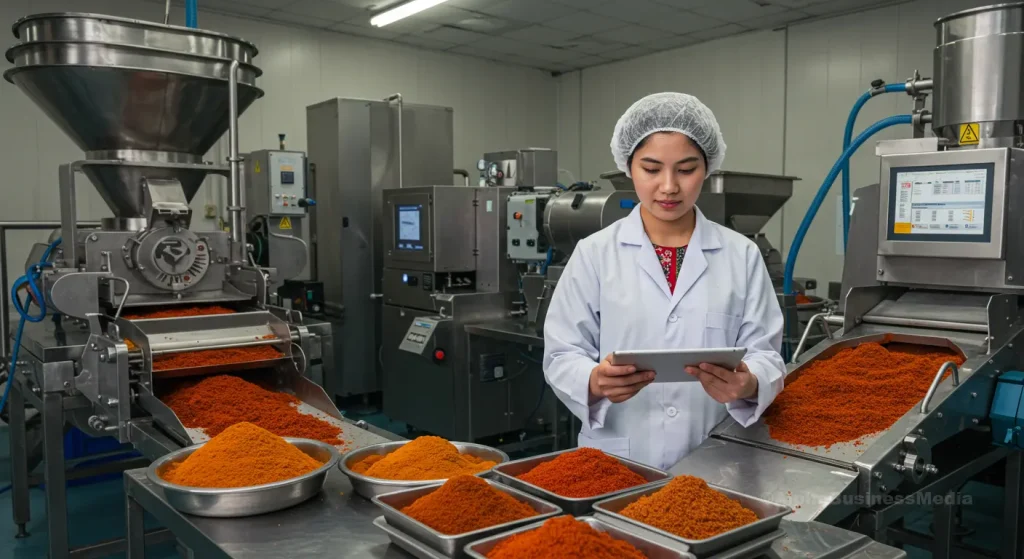
The Government of Nepal implements various agricultural support programs, including subsidies on seeds, fertilizers and agricultural machinery.15
- Prime Minister’s Agriculture Modernization Project (PM-AMP): This is one of the largest government initiatives aimed at modernization, specialization, mechanization and industrialization of the agricultural sector.132The project envisages the creation of specialized “pockets”, “blocks”, “zones” and “superzones” for different types of agricultural products. PMAMP provides grants for the purchase of fertilizers, seeds, irrigation equipment and crop/livestock insurance. However, despite its ambitious goals, the actual impact of the project is limited and its implementation faces challenges.132
- Problems of efficiency and availability of subsidies :Despite the significant amounts of funds allocated (for example, in the 2024/25 financial year, 57.29 billion Nepalese rupees were allocated for agriculture and livestock, of which 27.95 billion was for fertilizers89), the subsidy system suffers from inefficiencies. The main problems are corruption, bureaucracy, lack of transparency and unequal access, with subsidies often going to large farms and politically connected individuals, while small and truly needy farmers are left without support.89This creates a situation where state support intended to stimulate modernization does not fully achieve its goal and may even exacerbate inequality.
The infrastructure gap also remains a major obstacle to modernization. Even if family businesses have the desire and financial capacity, the lack of reliable transport, energy and digital infrastructure19can undermine efforts, especially in remote and mountainous areas. Many modern technologies, from agricultural mechanization to digital platforms, require basic infrastructure. Without addressing these challenges, modernization efforts will be fragmented and limited.
4.4. Improving supply chains and inventory management
Effective supply chain and inventory management is critical to competitiveness, especially for export-oriented businesses or those dealing with perishable products.
- Building resilient supply chains: In the context of global instability and specific challenges of Nepal (for example, dependence on transit through India148, infrastructure limitations26) it is important to create flexible and resilient supply chains.26This may include diversifying suppliers, developing local sources of raw materials and improving logistics.
- Flexible inventory management: Just-in-time (JIT) strategies can be risky in Nepal’s context. Just-in-case (JIC) approaches or hybrid models that include safety stocks for key items may be more appropriate.155Using modern warehouse management systems and real-time inventory tracking technologies (IoT) helps optimize inventory levels and reduce waste.155
- Last Mile Logistics: Delivering goods to the end consumer, especially in Nepal’s difficult terrain and poor infrastructure, is a major challenge and directly impacts customer satisfaction.30Investments in route optimization, the use of local distribution centers and cooperation with logistics startups can improve the situation.
Table 3: Modernization strategies and relevant technologies for Nepalese family businesses (with focus on the agricultural sector)

5. Preserving a unique heritage: competitive advantage and the soul of the company

For many Nepalese family businesses, their heritage is not just history, but a key asset that defines their identity, values, and unique place in the market. Preserving this heritage through modernization and generational change is a complex but vital task. It is not about preserving the past, but about integrating it seamlessly into the company’s present and future, turning it into a source of competitive advantage and deep connection with customers and employees.
5.1 Identification and assessment of heritage
The first step towards preserving heritage is to clearly identify it and recognise its value.
What constitutes heritage?
These could be:
- History of foundation: Stories about the founders, their motives, and the difficulties they overcame.
- Family values: The principles that guide business (honesty, quality, service to society, respect for traditions).
- Traditional technologies and know-how: Unique production methods, recipes, craft skills passed down from generation to generation.
- Unique products or services: Products or services that are associated specifically with this brand and its history.
- Reputation and Trust: A good name and customer loyalty accumulated over the years.
- Local Community Relations: The company’s role in the life of the local community, support of local initiatives.
- Documenting Heritage: It is important not only to remember, but also to record the history, values, key moments of the company’s development. These can be family archives, interviews with senior family members and employees, photo and video materials.
5.2 Integrating Heritage into Brand and Operations
The preserved heritage should be actively used to strengthen the brand and improve operational performance.
- Storytelling: Using a company’s history, its founders and unique traditions in marketing communications helps create an emotional connection with customers.10People value authenticity and the stories behind a product or service. A prime example is Dwarika’s Hotel in Kathmandu, which not only provides hotel services but actively promotes its history of rescuing and restoring Newar wooden architecture by turning itself into a “living museum.”7
- Unique customer experience: Heritage can be the foundation for creating a unique customer experience. For example, Bhatbhateni supermarket, as a modern retail chain, can rely on its long history and deep understanding of local customer needs, as evidenced by its high satisfaction levels (70% of respondents felt that Bhatbhateni effectively understands their service needs72). In Nepal, customers value product quality, service efficiency, cultural sensitivity and personalization.12
- Quality of products and services: Maintaining the high quality standards that have historically been associated with the brand is an integral part of preserving the heritage and reputation. It is one of the key factors in customer satisfaction in Nepal.12
- Made in Nepal campaigns: Participation in initiatives that promote local products and the preservation of traditions, such as Danfe (producing clothing from local materials with a focus on fair wages and women’s empowerment) and Formation Carpets (preserving carpet weaving traditions, combating child labor and supporting education for workers’ children)5, not only helps preserve heritage, but also increases the brand’s appeal to socially responsible consumers.
5.3. Balance between tradition and innovation
The key challenge is to find a way to modernise business processes, implement new technologies and adapt to changing market conditions without losing the authenticity and unique characteristics associated with heritage. This requires creativity and a willingness to experiment. It is important to involve the younger generation in rethinking traditions in a modern context, allowing them to bring a fresh perspective and new ideas, without destroying the foundations laid by their ancestors.
Preserving heritage does not mean refusing to change or stagnate. On the contrary, it is a dynamic process that requires actively integrating the values and traditions of the past into modern business models and adapting to changing customer expectations. The example of Dwarika’s Hotel7 demonstrates how the preservation of architectural and cultural heritage has become the basis for a unique hotel experience that successfully combines luxury and authenticity. This is not just the conservation of old elements, but their active inclusion in a modern high-class service. Similarly, the “Made in Nepal” campaign5 strive not only to preserve traditional crafts, but also to make them competitive and in demand in the modern market.
5.4. The Role of Word of Mouth in Strengthening Heritage
In Nepal, where trust and personal recommendations play a huge role9, authenticity and uniqueness associated with a company’s heritage are powerful catalysts for positive word of mouth.
- Satisfied customers are brand ambassadors: Customers who value the history, quality and uniqueness of a family business are more likely to share their positive experiences with friends and acquaintances.10Examples of companies such as the Bajeko Sekuwa restaurant chain or small family-run bakeries show how word of mouth can drive growth and build a loyal customer base.10
- User Generated Content (UGC): Encouraging customers to share their experiences of using products or services on social media (e.g. through hashtag contests, as Shree Harsha Masala did)10) helps to demonstrate an authentic experience and builds trust in the brand.10
However, it is important to remember the risk of “diluting” the heritage with ill-considered modernization. Chasing modern trends without taking into account the unique identity can lead to the loss of what makes a family business special and valuable to customers. If modernization boils down to simply copying global trends without adapting to the local context and the company’s unique strengths based on its heritage, there is a risk of losing authenticity. Customers who valued the company precisely for its uniqueness (for example, traditional production methods, special atmosphere, personal approach) may be disappointed, which will lead to a loss of loyalty.12
Table 4: Heritage Preservation Strategies in Business Operations

6. Preventing internal conflicts: ensuring harmony and stability

Internal conflicts are one of the most serious threats to family businesses, capable of undermining them from within, especially during periods of significant change, such as management transfers or modernization. The specificity of Nepalese culture, with its emphasis on hierarchy and “saving face,” adds additional complexity to managing these processes.
6.1 Effective Communication and Conflict Resolution in the Nepalese Context
- Taking into account cultural specificities: Direct confrontation and open criticism are often avoided in Nepal to maintain harmony and “save face”.9This means that dissatisfaction or disagreement may be expressed indirectly, through hints or changes in behavior. It is important for managers to develop sensitivity to such nonverbal cues and create an environment in which employees and family members feel safe enough to express their opinions, albeit in a sensitive manner.
- The concept of “saving face” can be a double-edged sword. On the one hand, it helps maintain external harmony and prevent petty squabbles. On the other hand, it can hinder open discussion of real problems and difficult but necessary decisions. This can lead to the accumulation of unresolved issues and hidden discontent, which can eventually result in more serious and destructive conflicts, especially at critical moments for the company.
- Using intermediaries: In Nepalese culture, respected family members, community elders, or other authority figures are often called upon to mediate disputes. Their job is to help the parties find a mutually acceptable solution while preserving face for each party involved in the conflict.
- Formal and informal feedback channels: It is important to create a variety of channels through which staff and family members can express concerns, suggestions or complaints without fear of repercussions. These could range from regular meetings and discussions to anonymous suggestion boxes or surveys. Existing formal conflict resolution systems in Nepal are often described as administratively complex, expensive and inaccessible to many13, which highlights the importance of developing effective internal mechanisms.
6.2. Employee Engagement and Retention (including Family Members)
Creating a positive and supportive work environment where everyone feels valued and sees opportunities for growth is key to preventing conflict and ensuring stability.
- Training and Development: Investments in training and development of staff, including both technical skills and “soft skills” (communication, teamwork, leadership, problem solving, emotional intelligence), increase their competence and motivation.87However, it is important to remember that learning must be accompanied by opportunities to apply the knowledge gained and an appropriate system of reward and recognition.87
- Purpose-Driven Leadership: Creating a shared vision and understanding of the company’s mission beyond simply making a profit can significantly increase employee engagement and motivation.165Companies that clearly communicate their purpose and its social impact demonstrate higher levels of innovation and employee retention. Employees who understand how their work contributes to a larger purpose feel more meaningful and committed.
- Open-Book Management: The practice of sharing financial information (within reasonable limits and in a way that employees understand) with staff can greatly enhance trust and a sense of ownership in the company’s successes and challenges.167When employees understand how their individual efforts impact the overall financial results, they begin to think like owners and take a more responsible approach to their work. This also reduces the ground for rumors and mistrust related to the company’s financial health.
- Development of social capital: Building strong relationships of trust, support networks and collaboration within a company is an important factor in stability.169This includes encouraging open communication, project collaboration, mentoring programs, and creating informal opportunities for employee interaction. Strong social capital facilitates better coordination, knowledge sharing, and reduced interpersonal friction.
- Job Crafting: Giving employees some freedom to shape their job responsibilities, tasks, and interactions so that the work better matches their skills, interests, and strengths can significantly increase their engagement, satisfaction, and productivity.171This is especially important for retaining talented employees who are looking for opportunities for self-realization.
- Corporate Intrapreneurship: Encouraging and supporting the entrepreneurial initiative of employees within the company, providing them with the opportunity to develop and implement new ideas, products or services, contributes not only to the innovative development of the business, but also to the retention of the most active and talented employees who see opportunities for growth and self-realization within the company, and not outside of it.173
Transparency and engagement are powerful antidotes to the mistrust that can easily arise in family businesses, where personal and business relationships are intertwined. A lack of transparency in decision-making or rewards can breed suspicion and conflict. Practices such as open financial management and the development of social capital help build stronger, more trusting relationships.
Investing in human capital is the key not only to productivity, but also to internal stability. When employees and family members feel that the company is investing in their training and development87, provides opportunities for career growth and self-realization171, and values their contribution, their loyalty and motivation increase. This, in turn, reduces the likelihood of conflicts arising from feelings of undervaluation, lack of prospects, or unfair treatment.
6.3 Managing Expectations and Fairness
- Clear definition of roles and rewards: This is especially important for family members working in the business. Their job responsibilities, authority, performance evaluation criteria and compensation system must be clearly defined to avoid accusations of nepotism or unfair distribution of resources.
- Fair assessment of contribution: Developing transparent mechanisms to evaluate the contribution of each employee (both family members and employees) and creating clear career paths help maintain motivation and prevent conflicts based on perceived unfairness.
6.4. Culture of respect and recognition
- Recognizing the contributions of all generations: It is important to create an atmosphere in which both the experience and wisdom of the older generation and the energy, new knowledge and innovative ideas of the younger generation are valued.
- Respect for different points of view: Encouraging open (but respectful) exchange of opinions and constructive discussions helps find better solutions and builds team spirit.
7. Strategic Recommendations for Sustainable Success of Nepalese Family Enterprises

To ensure the long-term prosperity and sustainability of family businesses in Nepal, especially in the context of management transition, modernization and heritage preservation, comprehensive and locally adapted policy responses are needed.
Developing a comprehensive and formalized succession plan:
- Start planning early, involving all stakeholders.
- Clearly define the criteria for selecting successors, their roles and responsibilities.
- Ensure proper preparation and training of future leaders.
- Consider cultural aspects of Nepalese society, such as respect for elders and the importance of consensus, when discussing and implementing the plan.
- Work out the legal and financial aspects of the transfer of ownership and management.
Strategic and phased modernization:
- Conduct an audit of the current state of the business and identify priority areas for modernization (technology, processes, management).
- Introduce new technologies and approaches in stages, starting with pilot projects, to assess their effectiveness and adapt them to local conditions.
- Particular attention should be paid to training personnel to work with new systems and equipment.
- Seek out available financial resources, including government subsidies (despite their shortcomings89), loans from cooperatives71and other sources.
- For agribusiness, focus on implementing affordable and effective AgriTech solutions such as improved seeds, drip irrigation and small-scale mechanization.95
Actively managing heritage as a competitive advantage:
- Conduct an inventory and assessment of the company’s intangible assets: its history, family values, unique knowledge and skills, reputation.
- Integrate heritage elements into the business model, brand and marketing communications (storytelling).
- Create a unique customer experience based on authenticity and tradition, as Dwarika’s Hotel does, for example.7or successful participants of “Made in Nepal” campaigns.5
Creating a culture of open dialogue and constructive conflict resolution:
- Introduce formal and informal mechanisms for feedback and discussion of problems, adapted to Nepalese culture (taking into account “saving face”9).
- Encourage reverse mentoring to share knowledge between generations.102
- Develop constructive communication and conflict resolution skills in all team members.
Investments in human and social capital:
- Provide regular training and professional development for employees and family members.87
- Develop leadership skills in potential successors and key employees.
- Encourage initiative and entrepreneurial spirit within the company (intrapreneurship)173).
- Work purposefully to strengthen trust, team spirit and mutual support within the team.169
Adaptation to external challenges and opportunities:
- Monitor macroeconomic trends in Nepal regularly (impact of remittances43, inflation175, state of trade balance56, the state of the financial sector, including the level of non-performing loans177) and in the world (global economic growth183, energy prices192, trade relations194).
- Be prepared to adapt your business strategy to changes in legislation (e.g. tax196, regulation of the securities market SEBON198, monetary policy of the NRB203) and market conditions.
Collaboration and networking:
- Actively interact with other family businesses to share experiences and best practices.
- Participate in industry associations such as the Federation of Nepal Chambers of Commerce and Industry (FNCCI) and the Confederation of Nepalese Industries (CNI) to advocate for common interests and obtain up-to-date information.205
- Establish a constructive dialogue with government agencies to solve systemic problems and obtain support.
The success of Nepalese family businesses in the 21st century will depend on their ability to integrate various aspects of management rather than addressing issues in isolation. Management transition, modernization, and heritage preservation must be considered as interrelated elements of a single strategy. At the same time, universal business solutions require careful “cultural calibration” to the unique realities of Nepal. What works in Western companies may require significant adaptation to local traditions of hierarchy, the importance of personal relationships, and the concept of “saving face.”9Blindly copying foreign models without taking these features into account will most likely lead to failure.
Finally, family businesses need to move from reacting to emerging problems to proactively shaping their future. This includes developing long-term strategies, regularly reviewing the need for modernization, and making conscious efforts to preserve and capitalize on their unique heritage. This approach will help avoid crisis situations and ensure more sustainable development in the long term.
Conclusion: Balancing Tradition and Innovation for Family Business to Prosper in Nepal

Family businesses in Nepal stand at a crossroads where centuries-old traditions meet the demands of a rapidly changing world. The challenges of handing over management to the next generation, implementing necessary modernization, and preserving the unique cultural and historical heritage are complex but not insurmountable. The key to success lies in finding a delicate balance – between respect for the past and openness to the future, between family values and professional management, between proven methods and innovative approaches.
Management transition, modernization and heritage preservation are not one-time events, but ongoing processes that require constant attention, adaptation and rethinking throughout the life of the company. Market conditions, technology, customer expectations and family composition are constantly changing. Therefore, strategies developed today will require review and adjustment in the future. Successful family businesses are those that are able to constantly learn, be flexible and adapt to new challenges and opportunities.
Nepalese family businesses have unique potential. The combination of deep cultural traditions, strong family ties, a commitment to quality and, if done right, an openness to selective, thoughtful modernization can be a powerful competitive advantage in both domestic and global markets. In a world where consumers increasingly value authenticity, history and social responsibility, companies that have managed to preserve their heritage and integrate it into modern business5, can stand out and win customer loyalty.
To do this you need:
- Integrated approach: Consider continuity, modernization and preservation of heritage not as separate tasks, but as interconnected components of a single development strategy.
- Cultural adaptation: To apply the best global practices of management and modernization, but always taking into account the unique cultural code of Nepal.
- Proactive management: Don’t wait for crises to arise, but plan for change in advance, invest in human capital development, and create a culture that encourages innovation and open dialogue.
- Focus on internal stability: Make every effort to prevent conflicts, build trust and maintain harmonious relationships within the family and team.
Adopting these principles will enable Nepalese family businesses not only to successfully cope with current challenges, but also to lay a solid foundation for the prosperity of future generations, contributing to economic development and preserving Nepal’s rich cultural heritage.
Source used
- ON THE DOMESTIC POLITICAL SITUATION IN NEPAL – Ministry of Foreign Affairs of the Russian Federation
- General Statistics: Basic Information about Nepal – Nomad’s Land
- Unlocking Nepal’s Growth Potential : Nepal Country Economic Memorandum 2025
- Nepal: World Bank Report Outlines Key Reforms to Boost Growth, Create Jobs
- Embracing digital payments – The Kathmandu Post
- Nepal Bank List A Class | PDF | Business | Travel – Scribd
- How Traditional Banks are Moving into FinTech – Harrington Starr
- Can Nepal Continue Building Fintech Foundations to Support Economic Development and Growth?
- Fintech Revolution in Nepal: Advancing Toward Inclusive Finance
- Nepal witnesses surge in digital payment systems amid increased mobile and internet penetration – myRepublica
- FY 2023/24 – Nepal Rastra Bank
- SWOT Analysis of eSewa: What to Know in 2025
- 16 Years of Innovation: eSewa celebrates 16th Anniversary
- Jagdish Khadka: eSewa made digital payments a reality for all | The Annapurna Express
- SWOT Analysis of Khalti: A Deep Dive Into Fintech Giant – IIDE
- How NRB’s New Directive Impacts Khalti, Mobile Banking, and Digital Nepal – Khatapana
- Nepal sees significant growth in digital payments – SAMENA Daily News
- Digital payments surge as Nepalis shift away from ATMs and cheques
- Profitability Analysis of NIC Asia Bank Limited – ResearchGate
- NIC ASIA Bank New Headquarters Kamaladi, Kathmandu: Centralized Operations & Enhanced Service – ICT Frame
- Cashmallow Partners with Nabil Bank to Launch Inbound Remittance Service to Nepal
- Digital Financial Services in Nepal – International Finance Corporation
- The Top Challenges in Digital Transformation—and How to Overcome Them
- IMPACT OF CORPORATE CULTURE ON ORGANIZATIONAL PERFORMANCE IN NEPALESE COMMERCIAL BANK
- Relationship between Business Competency and Employee Performance Improvement: A Study of Nepalese Banking Sector – Nepal Journals Online
- Framework for Identifying Systemically Important Payment Systems (SIPS) – Nepal Rastra Bank
- Nepal’s Cashless Future: The Rise of Digital Payment Systems – Sunway College
- SME Finance Virtual Marketplace – Digital Lenders for Small Entrepreneurs
- Mambu for Lenders
- Promoting Sustainable Financial Services through Cashless Transactions: An Empirical Analysis of Small and Medium Enterprises (SMEs) in Nepal
- Women-founded fintech company pioneers solution to reach micro enterprises in Nepal
- MASTER THESIS Exploration of Nepali Small and Medium Enterprises (SMEs) Experiences on Utilize Internet of Things (IOT) – DiVA portal
- Financial Literacy and Digital Payment System in Nepal – ResearchGate
- Why are some countries rich and others poor – Wikipedia
- UNCTAD toolkit – UNCTAD
- Nepalese Civil War – Wikipedia
- Open Banking: A decade of transformation ahead – FinTech Strategy
- agriculture – Investment Board Nepal
- Economy of Nepal – Wikipedia
- Nepal expects 4.61-pct growth for 2024-25 – Xinhua
- Nepal’s economy to grow by 4.61 percent – The Kathmandu Post
- Companies in Global Compact Nepal offer women, children a chance to reach new heights – IMPACT STORY
- Ram Dulari’s Story: Mother’s Love, A Daughter’s Dream – Campaign Nepal for Research & Development
- An interview with René Vijay Shrestha Einhaus, the Owner and CEO of Dwarika’s Group in Nepal – The Hotel Journal
- dwarikas-dhulikhel.com
- Cultural Considerations in Nepal – Rivermate
- Word Of Mouth Marketing: A Great Way People Advertise Digital …
- Social Media Marketing and Brand Awareness of Customers: Evidence from Nepal
- Customer Satisfaction Score CSAT in Nepal | TCN
- Resource conflicts and conflict resolution in Nepal – HimalDoc
- (PDF) Resource Conflicts and Conflict Resolution in Nepal – ResearchGate
- sectoral profile – agriculture – Investment Board Nepal
- Nepal Production – International Production Assessment Division (IPAD)
- Nepal – Food and Agriculture Organization of the United Nations
- (PDF) COMMERCIALIZATION OF AGRICULTURE: FORMS …
- Why Nepal Struggles to Adopt Better Technology, And Alternative Routes to Development
- A homegrown vision of commercial agriculture in Nepal that puts small-scale farmers at its heart | International Institute for Environment and Development
- (PDF) Constraints on the use and adoption of information and communication technology (ICT) tools and farm machinery by paddy farmers in Nepal – ResearchGate
- PROMOTING CLIMATE RESILIENT AGRICULTURE IN NEPAL
- Challenges of Agricultural Machinery Development in Nepal – UN CSAM
- The Role of Agriculture and Agri-Tech Investments in Nepal During a Pandemic
- Irrigation Farming in Nepal – The Borgen Project
- Vulnerability Profile of Nepal – the United Nations
- Nepal: World Bank Report Outlines Key Reforms to Boost Growth, Create Jobs
- The World Bank in Nepal: Lessons on building institutions and Influencing policy
- International LPI – Logistics Performance Index (LPI) – World Bank
- Nepal’s agriculture imports exceed total export in first seven months
- MULTI-SECTORAL RISK ASSESSMENT OF SIX GROUND CROSSING POINTS ALONG THE NEPAL-INDIA BORDER
- Multi-sectoral Risk Assessment of Six Ground Crossing Points Along the Nepal-India Border
- Challenges and opportunities for implementing digital health interventions in Nepal: A rapid review – PMC
- What is Last Mile? Complete Guide on Challenges & Future Trends – FarEye
- Trends and Destinations of Foreign Labour Migration in Nepal
- Breaking The Cycle Of Brain Drain – The Rising Nepal
- Brain Drain and Its Effects on Livelihood: An Analysis of Phalewas Municipality, Nepal
- Nepal’s Labor Market Dilemma: Bridging the Gap Between Workers and Employers
- Critical Labour Shortages in the Nepalese Tourism and Hospitality Sector Strategic Implications – ResearchGate
- How economic inequality is driving youths abroad – The Annapurna Express
- Youth Employment Issues and their Impact on the Economic Development of Nepal
- The Role of Remittances in Household Spending in Rural Nepal – MDPI
- Remittance inflows pose Dutch Disease risk in Nepalese economy – CESLAM
- Current Macroeconomic and Financial Situation – English (Based on Nine Months Data of 2024/25) – Nepal Rastra Bank
- Rs. 1,191 billion remittance received in nine months – The Rising Nepal
- Nepal Receives remittances over 1,191 billion in nine months | New Spotlight Magazine
- Macroeconomic Snapshot of 9 Months: Inflation at 3.39%; Foreign Reserves Reach USD 17.63 Billion; Remittance Surges 10% – || ShareSansar ||
- An Analysis of Causal Relationship between Remittances and Imports in Nepal
- Symptoms of Dutch Disease in Nepal
- Nepal – Food Imports (% Of Merchandise Imports) – 2025 Data 2026 Forecast 1974-2022 Historical – Trading Economics
- Export and Import of Food Products in Nepal (Rs Billion) – ResearchGate
- State of Food Security and Hunger in Nepal
- Food Insecurity, Food Grain Imports, and Agricultural Exports in Nepal: A Data Analysis Comparison (1990-2023) – ResearchGate
- Nepal – Agriculture, Tourism, Trade | Britannica
- Current Macroeconomic and Financial Situation – English (Based on Five Months Data of 2024/25) – Nepal Rastra Bank
- Nepal’s Foreign Trade Reaches Rs 1692 Billion in 10 Months of FY 2024/25 – ShareSansar
- Nepal Trade Balance [Up-to-date Chart & Data] | 1974 – 2025 – CEIC
- Nepal Economy Update – April 2025 – CARE Ratings
- Nepal’s Foreign Trade Soars in FY 2081/82: Exports to India Surge by 82.5%, Trade Deficit Widens | NEPSE Trading
- Revisiting Nepal’s Top Exports: Gaps and Opportunities – Nepal Economic Forum
- Nepal rolls out new trade policy to tackle soaring trade deficit – myRepublica
- Nepal’s Custom-Wise Trade in 2024/25: A Tale of Export Surge and Steady Import Growth
- The Relation of Direct and Indirect Taxes on Government Revenue collection of Nepal
- Customs revenue accounts for 40 percent of Nepal’s total revenue in FY 2023/24
- Government of Nepal Ministry of Finance Fiscal Policy Statement for Fiscal Year 2023/24 I. Introduction 1. Budget for fiscal y
- Revenue shocks & fiscal response – The HRM Nepal
- Nepal’s Economy Expected to Remain Resilient in Face of Economic Shocks, says World Bank
- Nepal’s Economy Will Likely To Grow By 4.4 In Fiscal Year 2025: ADB
- April 2025 Analysis – CESIF Nepal
- World Bank projects Nepal’s economic growth at 4.5 percent – myRepublica
- Cooperatives as Pillar of Economy to Improve Agriculture Production …
- Exploring Consumer Satisfaction and Service Quality at Bhatbhateni …
- (PDF) Exploring Consumer Satisfaction and Service Quality at Bhatbhateni Supermarket
- An overview of agricultural mechanization in Nepal – Kathmandu University Open Journal Systems
- Modern Technology and Scope of Precision Agriculture (PA) – International Journal of Social Sciences and Management (IJSSM)
- Nepal Foreign Exchange Reserves, 2002 – 2025 | CEIC Data
- Agricultural Mechanization in Nepal – IFPRI South Asia
- Effect of Adopting Agricultural Technology on Farm Income of …
- Effect of Adopting Agricultural Technology on Farm Income of Commercial Vegetable Growers in Bagamati Province of Nepal – ResearchGate
- Visualising adoption processes through a stepwise framework: A case study of mechanisation on the Nepal Terai – PubMed Central
- (PDF) The Role of Agriculture in Nepal’s Economic Development: Challenges, Opportunities, and Pathways for Modernization – ResearchGate
- Prospects for Farm Mechanization in Mid-hills of Nepal – CIMMYT Repository
- Effect of irrigation canal conveyance efficiency enhancement on …
- (PDF) Impact of Irrigation Method on Water Use Efficiency and Productivity of Fodder Crops in Nepal – ResearchGate
- Export hurdles ease as BIS certifies 129 Nepali firms – The Kathmandu Post
- Nepal Good Agricultural Practices Certification
- Transfer of Training: Improving the Effectiveness of Employee Training in Nepal
- Regular Research | Nepal Administrative Staff College
- When Help Hurts – GMC Nepal
- Relationship between Agriculture Subsidy and Agricultural Production in Nepal. – Nepal Journals Online
- agricultural support policy of nepal: cases of subsidies – International …
- Assessment of Government Policies, Farm Subsidies, and Agriculture Growth | Request PDF
- Nepal’s Workplace Culture “A blend of Respect, Relationships, and Reform” – Learn-Moodle
- Digitising Agriculture in Nepal: GeoKrishi | Mobile for Development – GSMA
- 237,3k 51,5k 97% – GSMA
- Digital Agriculture Forum (Digital Ag Nepal, 2024) – CIMMYT
- Understanding factors influencing adoption of digital tools among extension agents of Nepal
- Nepal | Digital Villages Initiative in Asia and the Pacific | Food and Agriculture Organization of the United Nations
- Impact of Digital Marketing on Business Performance of Small and Medium Businesses in Birendranagar, Surkhet – Nepal Journals Online
- Navigating the Digital Shift: Exploring the Impact of Technology on Management Practices in Small and Medium Enterprises (SMEs) – Nepal Journals Online
- Digital Financial Services in Nepal – International Finance Corporation
- The Impact of Reverse Mentoring on Employees’ Innovative Behavior: Evidence from Chinese Technology Enterprises – ResearchGate
- the role of reverse mentoring on employee work engagement: developing a conceptual framework on the – Journals
- 20 Best CRM Software in Nepal (May 2025) – TechnologyCounter
- Top 10+ Adobe CRM Development Companies in Nepal (2025) – TechBehemoths
- Customized E-Commerce Websites in Nepal: Boost Your Sales | Rewa Soft
- Social Media Marketing in Nepal: Trends & Opportunities
- Marketing Strategy of Daraz in 2025:Weaknesses & Wins – IIDE
- Business Model of Daraz and How It Makes Revenue in 2025 – IIDE
- SWOT Analysis of Foodmandu in 2025: Strengths & Gaps – IIDE
- Foodmandu on the App Store
- Foodmandu Launches Midnight Food Delivery Service in Kathmandu – ShareSansar
- Influencer Marketing in Nepal: Skyrocket Your Revenue – Digital Gurkha
- The Promise and Challenge of Personalization in E-Commerce – Digital CxO
- Assess the Adoption of Improved Maize Production Technologies in Gulmi, Nepal
- Assessment of Maize Production and Adoption of Improved Maize Seeds in Tanahun District of Nepal – International Journal of Applied Sciences and Biotechnology (IJASBT)
- ADOPTION OF RIVERBED FARMING TECHNOLOGIES IN KAMALA …
- Impact of Quality Seed Potato Production in the Eastern Hills of Nepal
- Role of Improved Seeds Technology to Increase Production and Crop Diversification in Nepal
- How a simple technology transforms rural Nepal – One to Watch
- Technology for whom? Solar irrigation pumps, women, and smallholders in Nepal – Frontiers
- Revolutionizing Agriculture in Nepal with Modern Technology – Living CARE
- Agricultural Transformation in Nepal
- Chinese project steers Nepal’s agricultural modernization – World – Chinadaily.com.cn
- The Role of Cooperative on the Socio-economic Growth and Stability – Nepal Journals Online
- Chapter 11: Use of Training Facilities in Hospitality Education: A case study of Nepal Academy of Tourism and Hotel Management (NATHM) – Open Textbooks @ UQ
- Soft Skills Engineering Training – Nepal – The Knowledge Academy
- Soft Skills Training courses | Nepal – Trainingcred Institute
- Customer Service Management Training Course for Professionals in Nepal
- Exceptional Customer Service Training Nepal – Unichrone
- Best Soft Skills Training in Nepal – Prism Education and Career
- Modernising Agriculture – The Rising Nepal
- Nepal still awaits chemical fertilizer factory after four decades of delay – myRepublica
- Situation Report on Nepal’s Agrifood Systems June 2024 | Bulletin Number 19
- Status of fertilizer and seed subsidy in Nepal: review and recommendation
- Status of fertilizer and seed subsidy in Nepal: review and recommendation
- Does subsidizing seed help farmers? Nepal’s rice seed subsidies – Knowledge for policy
- Does Subsidizing Seed Help Farmers? Pulte Study Examines Nepal’s Rice Seed Subsidies
- Minister Adhikari claims Rs107.66 billion in agricultural subsidies over five years
- 107 billion rupees spent on agricultural subsidy in five fiscal years | The Farsight Nepal
- (PDF) Prime Minister Agriculture Modernization Project (PMAMP), Nepal – ResearchGate
- Nepal still awaits chemical fertilizer factory after four decades of delay – myRepublica
- ROLE OF PRIME-MINISTER AGRICULTURE MODERNIZATION PROJECT ON MAIZE VALUE CHAIN DEVELOPMENT AND TECHNOLOGY ADOPTION (A CASE STUDY – Index Copernicus
- Indian gov’t aims to speed up EV subsidy claims to 5 days – Tech in Asia
- Effect of Agricultural Subsidy on Farm Income of Commercial Vegetable Farmers of Makwanpur and Dhading Districts, Nepal – International Journal of Research and Review
- Private Sector Stresses Import Substitution and Export-Oriented Agriculture: Nepal Prepares for Integrated Agricultural Policy – Khagendra Awasthi – Ecosphere News Environmental & Developmental Issues
- Standard Expression of Interest (EOI) Document for Shortlisting of Consultants and Consulting Services
- 2. SOCIO ECONOMIC IMPACT OF UNDECLARED BLOCKADE OF INDIA ON NEPAL
- 2015 Nepal blockade – Wikipedia
- Buddhism and the Trade Routes – Asia Society
- Tibet–Nepal salt trade route – Wikipedia
- Co-development of vulnerability and risk assessment framework and methodology for Nepal
- Supplier Relationship Management: Navigating Supply Chain Challenges – Dun & Bradstreet
- Supply chain management practices of SMEs in developing countries: Bibliometric and systematic reviews – Agricultural Economics
- Managing Inventory Amid Supply Chain Disruption
- Improving inventory planning during supply chain disruption – TVS SCS
- Supply Chain Risk Management Graduate Certificate Online – Penn State World Campus
- Building Resilient Supply Chains in Emerging Markets: Sustainable Procurement and Stakeholder Engagement Strategies – World Scientific News
- Building Resilient Supply Chains in Emerging Markets: Sustainable Procurement and Stakeholder Engagement Strategies – World Scientific News
- “Impact of customer satisfaction on commercial banks in Nepal: Insights from a survey-based study” – Business Perspectives
- How Social Media Marketing is Revolutionizing Brand Building in Nepal
- Unleashing the Power of User-Generated Content Marketing In Nepal – Uptrendly
- A Guide to Business Etiquette in Nepal | ClickUp™
- Purpose-Driven Leadership: What It Is and How It Transforms Organizations – Workhuman
- What is Purpose-Driven Work? – Next Level Benefits
- Rebellious Practices: The Power of Open-Book Management – Corporate Rebels
- Open-Book Management, FAQs & Explanations – The Great Game of Business
- A Guide to Building Social Capital at Work | MentorcliQ
- 5 ways to build social capital in the workplace – WilsonHCG
- Job crafting in an emerging economy from South Asia: What do we know and where should we be heading? | CoLab
- Job crafting in an emerging economy from South Asia: What do we know and where should we be heading? | Emerald Insight
- Intrapreneurship for competitive advantage | emlyon business school
- The Impact of Corporate Intrapreneurship on Employee Retention in Nigerian Banks – Tuijin Jishu/Journal of Propulsion Technology
- Nepal’s Foreign Trade Shows Signs of Recovery, but Structural Challenges Persist
- Made in Nepal? Not Quite. The Truth Behind 73% Export Surge – Khatapana
- DS Group Launches Popular Confectionery Brands in Nepal, Expands Global Footprint
- universalinstitutions.com
- Youth Unemployment Rate for Nepal (SLUEM1524ZSNPL) | FRED | St. Louis Fed
- Nepal – Unemployment, Youth Total (% Of Total Labor Force Ages 15-24) – 2025 Data 2026 Forecast 1991-2024 Historical
- Nepal Youth Unemployment Rate 1991-2025 – Macrotrends
- 66000 Nepalis seek permanent residence abroad in 2024; 850000 seek employment
- Tackling the Brain Drain Trend in Nepal: Causes, Impact, and Solutions
- (PDF) Analysis of Determinants of Youth Migration Intentions in Nepal – ResearchGate
- Food Insecurity, Food Grain Imports, and Agricultural – Nepal Journals Online