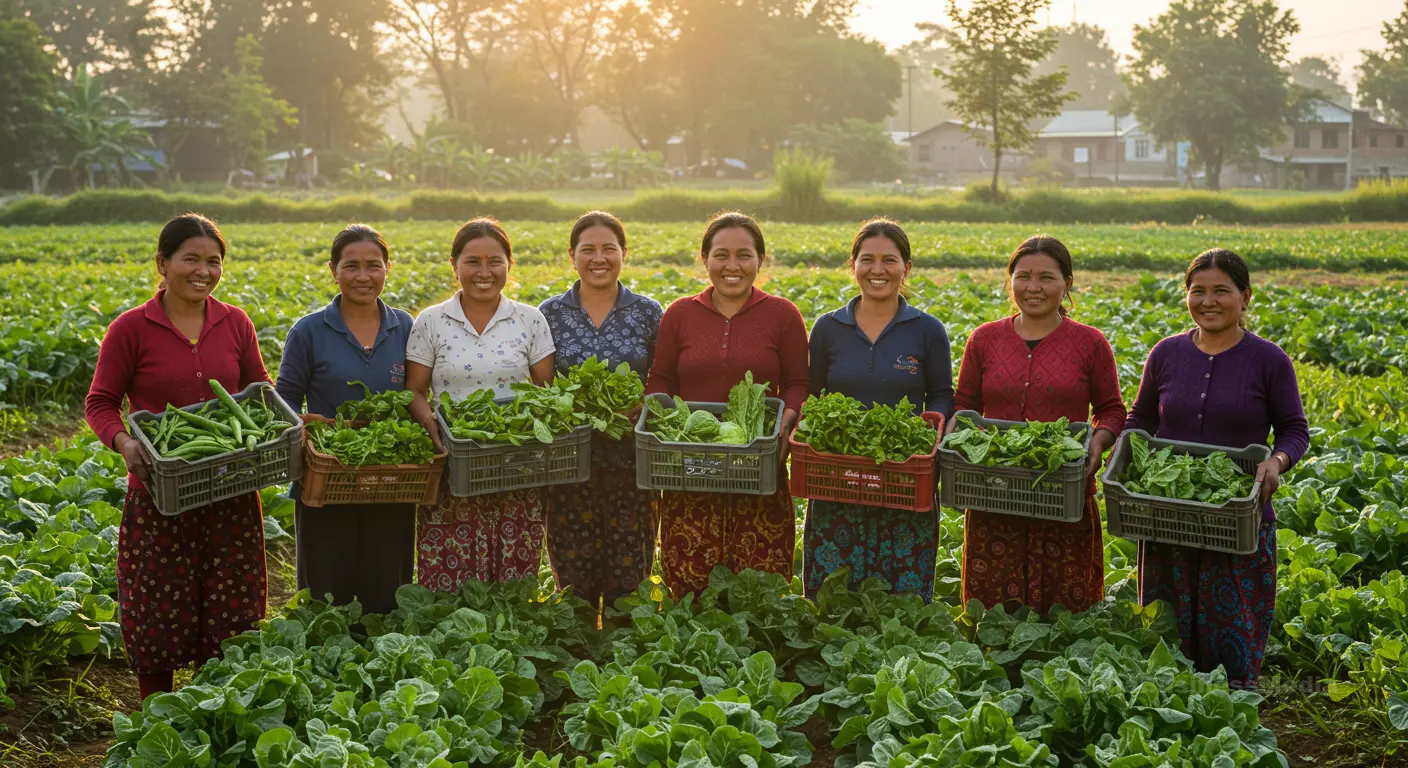
Nepal’s cooperative sector, known as “Sahakari”, is a significant and historically entrenched part of the country’s socio-economic landscape. The cooperative movement in Nepal has a long history, formally beginning in the 1950s, and was initially focused on meeting the needs of the rural population in the agricultural sector.1 Agricultural cooperatives are still the most widespread and influential segment, providing their members with access to vital resources such as credit, seeds, fertilizers, and promoting the adoption of modern agricultural methods.1The scale of Sahakari’s activities is impressive: cooperatives are present in almost all of the country’s 753 local governments, with the exception of a few of the most remote and inaccessible mountain areas.3, indicating their deep penetration into the economic fabric of Nepal, especially in rural areas.
However, despite its obvious importance, Nepal’s cooperative sector plays a dual role, posing a difficult dilemma. On the one hand, Sahakari has significant potential as an engine for inclusive economic growth, contributing to increased financial inclusion for the general population, poverty reduction, and economic empowerment, especially for vulnerable groups.1On the other hand, cooperatives are associated with significant risks that may pose a threat to the country’s financial stability. These risks include problems with asset quality and management, operational inefficiencies, limited integration of modern technologies, and challenges in corporate governance.1General problems in Nepal’s financial sector, such as rising non-performing loans (NPLs), may also indirectly affect cooperatives, exacerbating their vulnerability.4Historical orientation of many cooperatives towards agriculture1 creates additional vulnerability as their financial health is closely linked to agricultural sector risks such as climate change6, irrigation problems8and the availability of quality resources such as seeds and fertilizers.14This dependence may result in crop failures or falling prices for agricultural products having a direct impact on cooperatives’ loan portfolios, increasing their NPLs and threatening financial sustainability.

Wide geographical coverage of cooperatives, including remote areas3, on the one hand, highlights their role in ensuring financial inclusion of the “last mile”, but on the other hand, it creates difficulties for effective supervision and management, increasing operational risks. In addition, insufficient technological integration in the cooperative sector1 amidst the active digitalization of Nepal’s banking sector22could lead to a reduction in the competitiveness of cooperatives and their vulnerability in the long term if they are unable to offer their members modern digital services.
The objective of this study is to provide a comprehensive analysis of the cooperative sector (Sahakari) in Nepal. The paper will assess its contribution to inclusive economic growth, identify and analyze key risks associated with its activities that may affect the country’s financial stability, and examine regulatory challenges and the effectiveness of the existing supervisory framework. The report is structured by analyzing the role of cooperatives in inclusive development, examining financial, operational and systemic risks in detail, assessing the regulatory environment, and concluding with conclusions and policy recommendations for stakeholders.
Cooperatives as a Catalyst for Inclusive Growth in Nepal
The cooperative sector plays a multifaceted role in Nepal’s economy, serving as an important contributor to inclusive growth, especially in rural areas and for the vulnerable. Its impact is seen in both economic contribution and social impact.

Agriculture has historically been the backbone of the Nepalese economy, providing employment to approximately 65% of the population and generating about 24-31% of the country’s gross domestic product (GDP).30In this context, cooperatives (Sahakari) play a critical role as a key link in supporting the agricultural sector.1They provide farmers with access to financial resources, accounting for an estimated 30% of all agricultural lending.2In addition, cooperatives supply agricultural producers with high-quality seeds, fertilizers and promote the introduction of modern agricultural technologies, which directly affects the increase in productivity and income of small farms.1Agricultural sector projected to grow at 3.28% in current fiscal31will depend largely on the efficient functioning of the cooperative network. In addition to agriculture, cooperatives also play a role in supporting small and medium-sized enterprises (SMEs), which are an important source of employment and economic diversity.
The social significance of cooperatives is no less important. They help to expand financial inclusion, especially for those groups traditionally excluded from the formal banking system, such as small and marginalized farmers, who often lack sufficient collateral to obtain loans from commercial banks.2Overcoming these financial barriers is a direct contribution to poverty reduction and economic opportunity.2Considering that the overall financial literacy rate in Nepal is 57.9%32, cooperatives, as more accessible and understandable financial institutions, play an important role in involving the population in economic life. Despite the progress made in reducing poverty, the problem of inequality in Nepal remains relevant33, and cooperatives, promoting grassroots empowerment1, can contribute to a more equitable distribution of economic benefits. However, the low level of financial literacy of the population32may limit the effective use of financial services provided by cooperatives and even increase risks for members themselves, for example through misunderstanding of lending terms or over-indebtedness.
Success stories of cooperatives confirm their potential. A 2017 study by the Nepal Agricultural Cooperative Central Federation (NACCFL) found that farmers who are members of cooperatives tend to achieve higher yields of staple crops (maize, rice, wheat) and have higher incomes compared to farmers who are not part of the cooperative movement.2This is achieved through training and technical support in modern agricultural technologies provided by cooperative associations such as NACCFL.2In addition, modern initiatives such as the GeoKrishi project actively collaborate with farmer cooperatives to spread climate-resilient farming practices and digital technologies.35, which opens up new prospects for modernization of the sector through cooperative structures. However, the success of many cooperatives is dependent on external support programs such as the Prime Minister’s Agricultural Modernization Project (PMAMP)36and various agricultural subsidies41, creating certain risks to their sustainability in the event of a reduction or termination of such state assistance. The effectiveness of cooperatives in promoting modern agricultural technologies may also be limited by general barriers existing in Nepalese agriculture, such as fragmentation of land holdings, lack of capital among farmers, and lack of technical expertise.52
Table 1: Contribution of Cooperatives to Key Economic and Social Indicators of Nepal

This table clearly demonstrates the significant contribution of the cooperative sector to the economy and social sphere in Nepal, highlighting their role in providing agricultural credit, increasing crop yields, disseminating modern technologies and ensuring financial inclusion.
Analysis of risks associated with the activities of the cooperative sector

Despite its important role in promoting inclusive growth, Nepal’s cooperative sector faces a number of significant risks that could threaten both its own sustainability and the country’s overall financial stability. These risks can be grouped into financial, operational, governance and systemic risks.
Financial risks
One of the most serious financial risks is Asset quality and non-performing loan (NPL) levels. Nepal’s banking sector has seen an alarming trend of NPL rising from 1.20% in 2021 to 2.98% in mid-202356, and further to 4.0% by April 2024.4By Q3 2024/25 (mid-April 2025), the average NPL level of commercial banks reached 4.83%57, while for some banks this figure exceeds 5-8%.57Nepal Rastra Bank (NRB) has repeatedly pointed to deteriorating asset quality as a major challenge for the financial system.5The International Monetary Fund (IMF) also expresses concern about financial sector vulnerabilities and recommends a thorough review of loan portfolios.62Although direct data on NPLs specifically for cooperatives is limited in the materials provided, their traditional focus on lending to agriculture (a sector vulnerable to climate and market shocks) and servicing riskier categories of borrowers suggests that cooperatives may face similar or even more severe asset quality problems. Rising NPLs in the banking sector may be an indicator of general economic difficulties that inevitably affect cooperatives. The lack of transparent and regular data on NPLs specifically for the cooperative sector masks this potentially significant risk, which is a problem in itself.
Liquidity and capital adequacy risks are also a concern. Commercial banks in Nepal have been facing difficulties in maintaining capital adequacy ratios.5While the NRB says that overall, the capital adequacy, liquidity and leverage ratios of banking and financial institutions (BFIs) are above regulatory requirements, the continued deterioration in asset quality is a source of concern.60Monetary policy for the 2024/25 financial year includes measures aimed at reducing pressure on banks’ capital funds.63If cooperatives, like some banks, experience capital pressure due to rising nonperforming assets, this could threaten their solvency and ability to meet their obligations to their members. Liquidity risks are particularly acute for smaller cooperatives with limited access to refinancing markets.
Transparency of financial reporting and management in the cooperative sector leaves much to be desired. There are numerous complaints about the lack of transparency and inefficient use of agricultural subsidies, which are often distributed through cooperative structures.41The need to strengthen supervision and increase transparency in the activities of cooperatives is emphasized.1Insufficient transparency makes it difficult to objectively assess the real financial condition of cooperatives and the effectiveness of their activities, and also creates fertile ground for ineffective management and potential abuses.
Operational and management risks
The quality of corporate governance in cooperatives often suffers due to the influence of informal networks known as “afno manche” (our people), and nepotism. The afno manche culture in Nepal involves the use of informal networks to gain various advantages, which is recognized to contribute to corruption and create unequal access to resources and opportunities.64This practice has significant implications for personnel decisions and resource allocation within formal organizations, including cooperatives.64Hierarchy and deep respect for elders are key features of Nepalese business culture.65, which can both promote stability and perpetuate inefficient practices. Nepotism and favoritism have been noted as problems in the allocation of public resources, including agricultural subsidies, which are often channeled through cooperatives.41Afno manche influences can seriously undermine the principles of meritocracy and good governance in cooperatives. Decisions on lending, hiring, or managing assets can be based on personal connections rather than economic feasibility or expertise, inevitably increasing risks, inefficiencies, and potential losses. Moreover, such a culture can contribute to the concealment of real problems in cooperatives, for example through the practice of “evergreening” related-party lending, making it difficult for regulators to identify and address problems in a timely manner.
Qualification level of staff and management in the cooperative sector is also a source of concern. Nepal has a general shortage of skilled manpower in various sectors, including finance.69There are problems with the effectiveness of staff training and the subsequent transfer of acquired knowledge in the workplace.71Low level digital72and financial literacy32in general throughout the country, the situation is aggravated. For example, the shortage of actuaries and underwriters in the insurance sector74may indicate broader issues with the availability of qualified financial professionals. A shortage of personnel with competencies in risk management, financial analysis, modern banking technologies and cybersecurity poses a serious operational risk to cooperatives. This can lead to errors in strategic and operational decision-making, ineffective management of assets and liabilities, and increased vulnerability to external and internal threats. Low levels of financial literacy among both members and employees of cooperatives create a “double vulnerability”: members may not understand the risks of financial products, and employees may not adequately manage them.
Vulnerability to fraud and cyber threats is another significant operational risk. Nepal has seen an increase in cyber attacks, including on financial institutions.76There is a general weakness in digital security measures and the inability of some banks, including even the central bank, to update their security systems in a timely manner.77Cases of fraud using forged documents to obtain loans have been recorded in the banking sector56, and similar risks are relevant for cooperatives. Urgent measures are needed to strengthen cybersecurity and data protection in the financial sector.76Cooperatives, especially those just starting to implement digital services and may not have sufficient resources to ensure a high level of security, risk becoming easy targets for cybercriminals. Internal fraud is also a serious threat when internal controls and governance deficiencies are weak.
Systemic risks

The potential impact of problems in the cooperative sector on Nepal’s overall financial stability cannot be underestimated. Cooperatives have significant population outreach, especially in rural areas, and provide a significant share of agricultural credit in the country.2Their relationships with other financial institutions (e.g. through deposits, loans from banks, or participation in payment systems) can act as a conduit for risk transmission. Problems in one large cooperative or simultaneous difficulties in a group of cooperatives can undermine confidence in the financial system as a whole, especially in regions where cooperatives are the main or only available financial intermediaries. The IMF has called attention to the need for a comprehensive strategy to address the problems associated with the activities of troubled savings and credit cooperatives.62, which highlights the potential systemic nature of these risks. Delays in the implementation of public capital expenditure82and general political instability84may negatively impact the economic activity of cooperative borrowers, particularly in the agricultural and SME sectors, which may be dependent on government contracts or infrastructure projects, thereby increasing the credit risks for cooperatives.
Table 2: Key Risk Indicators in Nepal’s Cooperative Sector

This table catalogues the key risks inherent in the cooperative sector in Nepal and highlights areas that require close attention from regulators and cooperatives themselves to ensure their sustainability and minimize threats to the financial system.
Regulatory challenges and supervisory effectiveness
The regulatory environment and effective supervision play a crucial role in ensuring the stability and healthy development of the cooperative sector in Nepal. However, the current system faces a number of serious challenges that require urgent attention.

The current legal framework governing cooperatives includes the main Cooperative Act. In addition, financial cooperatives may be regulated by the Nepal Rastra Bank (NRB), which is responsible for supervising the banking sector and maintaining overall financial stability.87Insurance cooperatives or cooperatives offering micro insurance products are under the responsibility of the Nepal Insurance Authority (NIA).95The activities of cooperatives related to securities may fall under the purview of the Securities Exchange Board of Nepal (SEBON).101This fragmentation of the regulatory landscape can lead to “regulatory arbitrage,” where cooperatives choose less strict jurisdictions, or, conversely, to duplication of oversight functions and the creation of unnecessary administrative burdens, especially for multi-industry cooperatives. It can also leave “gray areas” that are not covered by adequate oversight.
One of the key issues is insufficient effectiveness of supervisory authorities. The IMF points to the need to strengthen the institutional governance, independence and accountability of the NRB.62In a broader context, Nepal’s government bodies face problems of bureaucracy and corruption.41, which inevitably affects the quality of supervision. Political instability and frequent changes of officials hinder the consistent implementation of policies and weaken supervisory institutions.82NIA also acknowledges the need to improve business practices and systematize the insurance market, which indirectly points to existing weaknesses in supervision.95
Difficulties in Ensuring Compliance with Prudential Standards are another major challenge. The observed increase in non-performing loans (NPL) and asset quality issues in the banking sector4 demonstrate the difficulties in meeting prudential requirements even in the more tightly regulated banking sector. For cooperatives, where supervision has traditionally been less stringent, these problems may be even more acute. The IMF recommends bringing Nepal’s financial sector regulation closer to international standards.62Failure of cooperatives to maintain adequate capital, liquidity and risk management standards makes them highly vulnerable to economic shocks.
Of particular concern are Problems in the field of combating money laundering and terrorist financing (AML/CFT) Nepal’s recent inclusion in the FATF grey list highlights serious deficiencies in the country’s AML/CFT system.62The IMF strongly recommends strengthening the legal, regulatory and supervisory framework in this area.62NRB and NIA are already issuing relevant directives to supervised institutions.99Cooperatives, especially those with less stringent internal controls and significant volumes of cash transactions, can be used in money laundering schemes. Being on the FATF “grey list” increases the risks for the entire financial system, including cooperatives, and can make international transactions more complex and expensive.
In light of these challenges, it is obvious the need to reform the regulatory environment to improve the sustainability and transparency of the cooperative sector. The IMF calls for ambitious structural reforms to support sustainable and inclusive growth, including improving the investment climate and governance.62Financial market regulators such as the NIA95 и SEBON 101, are also working to update their regulations. These reforms should comprehensively affect the cooperative sector so that it can safely and effectively fulfill its socio-economic mission. NRB initiatives to create a “regulatory sandbox” for fintech companies22can provide cooperatives with a platform to test and implement innovative digital solutions under the supervision of a regulator, potentially reducing the risks associated with independently implementing untested technologies and facilitating their digital transformation.
Macroeconomic and sociocultural context affecting cooperatives
The cooperative sector in Nepal does not operate in a vacuum; it is closely intertwined with the country’s overall macroeconomic conditions and its unique socio-cultural characteristics. These factors can both create opportunities and pose specific risks for Sahakari.
The impact of remittances on Nepal’s economy is colossal. According to various estimates, they make up from 21% to more than 30% of the country’s GDP.30In 2022, Nepal ranked ninth in the world in terms of remittances to GDP ratio.107In the first nine months of the 2024/25 financial year, their inflow amounted to NPR 1,191.31 billion.109These funds support private consumption.108and improve the balance of payments.114For cooperatives, this means, on the one hand, an increase in the potential savings of their members and a rise in demand for financial services. However, on the other hand, such a large influx of foreign currency creates the risk of “Dutch disease”.107This phenomenon could lead to an appreciation of the national currency (in real terms), making imported goods more affordable and domestic products, including agricultural products, less competitive. Such a development could undermine the economic base of cooperative members, reduce their incomes and, as a result, increase the credit risks for the Sahakari themselves. In addition, remittances could reduce incentives to work in traditional sectors such as agriculture.114, where cooperatives play a key role.

Political instability is a chronic problem in Nepal.30Frequent changes of government and political uncertainty have a negative impact on the development and implementation of long-term economic policies, including those related to the cooperative sector.82This leads to a lack of consistency in regulation, frequent personnel changes in supervisory bodies, and creates opportunities for political interference in the activities of cooperatives, for example in the distribution of subsidies or the appointment of management. Political interference in financial regulations also weakens the institutional integrity of the entire system.116The combination of political instability and an entrenched afno manche culture creates a particularly hostile environment where regulatory oversight can be weakened and the internal governance of cooperatives distorted by nepotism, greatly increasing the risks.
Infrastructure limitations seriously hinder Nepal’s economic development and affect cooperatives. The country suffers from poor transportation networks, logistical problems30, insufficient and unstable energy supply (despite significant hydropower potential)119and limited access to digital infrastructure, especially in rural areas.128These constraints increase transaction costs for cooperatives, hinder their members’ access to markets (especially for agricultural products), limit the adoption of modern digital financial services, and increase risks, such as product spoilage due to lack of refrigeration capacity or power outages. Unreliable infrastructure also indirectly perpetuates informal and less transparent practices, as modern monitoring and reporting systems often require stable electricity and internet access.
Sociocultural aspects Nepal has a profound influence on the functioning of cooperatives. Culture “Afno Manche” (our people), based on informal networks and mutual assistance, on the one hand, can contribute to the creation and cohesion of cooperatives.64A high level of trust in recommendations from friends, known as “word of mouth”135, can also play a positive role in attracting members to cooperatives. However, as already noted, “afno manche” often leads to nepotism, ineffective management, difficulties in collecting debts from “their own” and concealment of problems within the cooperative, which significantly increases financial and operational risks. The concept“saving face” 65, which is common in Nepalese culture, can hinder open discussion of emerging issues and the making of timely and perhaps tough but necessary management decisions.
State support programs and their effectiveness

The Government of Nepal has implemented a number of initiatives to support the cooperative sector and agriculture, recognizing their importance to the country’s economy. Key among these are the Prime Minister’s Agricultural Modernization Project (PMAMP) and various agricultural subsidy programs.
Launched in the fiscal year 2016/17 (2073 Nepali calendar) and with a duration of 10 years (till 2082/2035), PMAMP is the largest project of the Ministry of Agriculture and Livestock Development (MoALD) with a total estimated budget of NPR 130 billion.138Its main objective is to modernize, commercialize, ensure sustainability and self-sufficiency of the agricultural sector of Nepal.38The project is structured according to the principle of creating specialized agricultural zones of various levels: “pockets”, “blocks”, “zones” and “superzones”.38Agricultural subsidies are provided for the purchase of seeds, fertilizers, agricultural machinery and other needs.41Over the last five financial years (2019/20 to 2023/24), NPR 107 billion was allocated for agricultural subsidies, with 81% of this amount (NPR 87.35 billion) going towards subsidising chemical fertilisers.37PMAMP received NPR 6.62 billion of the total direct subsidies, which were distributed through 141,670 agricultural cooperatives, groups and firms.37For the 2024/25 financial year, NPR 57.29 billion (about 3% of the national budget) has been allocated for agriculture and livestock development, of which NPR 2.98 billion is for PMAMP and NPR 27.95 billion is for fertilizer subsidy.41These figures indicate significant public investment in the sector, where cooperatives are important delivery channels for programmes.
Despite the declared support and significant financial injections, the effectiveness of government programs raises serious questions Numerous reports and studies indicate that subsidies often fail to reach small and truly needy farmers.41The main obstacles cited are bureaucratic complications, lack of transparency, poor management and corruption. According to a 2018 report, up to 35% of subsidies could go to “commissions” for officials.44It is noted that politically connected individuals and large landowners often receive unfair advantages in the distribution of aid.41The assessment of the results of PMAMP is also ambiguous: it is stated that its real results “remain to be seen” and the implementation of the project is “far from satisfactory”.36Seed subsidy programs typically cover only wheat and rice.17, which limits diversification. Subsidies for organic fertilizers, despite their importance for sustainable agriculture, are not being developed as they should be.17This ineffectiveness of government programs not only fails to achieve the stated goals of modernization, but can also undermine the potential of cooperatives as instruments of inclusive growth if they become dependent on ineffective support systems.

Cooperatives play a central role in the implementation of state agricultural programs, acting as the main partners of PMAMP37and channels for the dissemination of modern technologies and improved access to markets.39However, if cooperatives themselves suffer from internal governance problems, such as the influence of afno manche or a lack of skills, they may not only fail to deliver on their mission, but also become part of the problem of inefficient and non-transparent distribution of state support. This creates a vicious circle in which weaknesses in state programs are compounded by weaknesses in the cooperative sector itself. Problems with the implementation of PMAMP and other programs may be due not only to corruption, but also to the lack of capacity of the cooperatives themselves (in terms of management skills, technical knowledge, access to information) to effectively absorb and use the resources allocated.
High share of subsidies allocated to chemical fertilizers (81% of all agricultural subsidies37; 49% of the total agricultural budget for FY 2024/2537), with insufficient support for organic farming17, raises concerns in terms of long-term sustainability. This could lead to soil degradation, water pollution and increased reliance on imported fertilizers, which is contrary to sustainable development goals and could create new risks for cooperative members. Similarly, limiting seed subsidies mainly to wheat and rice17hinders the necessary diversification of agriculture and reduces its resilience to market and climate shocks, limiting the potential of cooperatives working with other crops, such as pulses or oilseeds.17
Conclusion and strategic recommendations
An analysis of Nepal’s cooperative sector (Sahakari) reveals its complex and dual nature. On the one hand, cooperatives have an undeniable and significant potential to promote inclusive economic growth, especially in the agricultural sector and in providing financial inclusion to large sections of the population, including vulnerable groups. They have historically played and continue to play an important role in the socio-economic life of the country. On the other hand, this potential is seriously undermined by a complex set of financial, operational and governance risks. These risks are exacerbated by existing weaknesses in the regulatory environment, inadequate supervision and the influence of specific socio-cultural factors such as the practice of afno manche. The challenges identified are not insurmountable, but their solution requires a systemic, comprehensive and coordinated approach by all stakeholders.
To unlock the potential of the cooperative sector and minimise the risks associated with it, the following policy recommendations are proposed to the Government of Nepal, Nepal Rastra Bank (NRB), Insurance Authority of Nepal (NIA), Securities Exchange Board of Nepal (SEBON) and other relevant agencies:
- Improving legislation and strengthening supervisory functions:
- Develop and implement uniform, clear and proportionate prudential standards for financial cooperatives, harmonized with banking regulation, but taking into account the specifics of the cooperative model (size, nature of operations, social mission). This includes requirements for capital adequacy, liquidity management, asset quality and disclosure.62
- Strengthen supervisory capacity either by creating a dedicated independent regulator for cooperatives with financial activities or by clearly delineating powers and strengthening coordination between existing bodies (NRB, NIA, Department of Cooperatives). It is important to provide supervisory bodies with sufficient resources, qualified personnel and technology.
- Provide institutional, functional, personnel and financial independence and accountability of regulatory authorities, minimizing the possibilities for political interference in their activities.62
- Actively implement risk-based approach to supervision, focusing on the largest and most systemically important cooperatives, as well as those showing signs of increased risk.98
- Strengthen control over compliance with AML/CFT legislation in the cooperative sector, given Nepal’s recent inclusion in the FATF grey list.62
- Raising standards of corporate governance and risk management in cooperatives:
- Implement mandatory minimum requirements for qualifications, experience and business reputation for managers and board members of cooperatives, especially those that manage significant financial resources.
- Develop and distribute standard policies and procedures on managing key risks (credit, operational, liquidity, market, cybersecurity), adapted for cooperatives of different sizes and profiles.
- Stimulate the implementation of regular independent audits (financial and operational) in cooperatives, with subsequent monitoring of the implementation of auditors’ recommendations.
- Active counteract the influence of informal connections (“afno manche”) decision-making in cooperatives by increasing the transparency of procedures (e.g. lending, hiring), introducing clear criteria and strengthening the role of independent members on supervisory boards (if applicable).64
- Developing financial and digital literacy programs:
- Develop and implement national and regional financial literacy programs, specifically aimed at members and potential members of cooperatives, with an emphasis on understanding financial products, risks and the rights of consumers of financial services.32
- Organizesystematic training for managers and employees of cooperativesthe basics of financial management, modern risk management methods, digital technologies and customer service standards.
- To assist improving digital literacy among the population, especially in rural areas, for safer and more efficient use of digital financial services offered by cooperatives.72
- Stimulating the implementation of modern technologies and innovations:
- Provide support for digitalization of cooperatives through the provision of technical assistance, advisory services and, possibly, through the use of mechanisms such as the NRB’s ‘regulatory sandbox’.22This will improve operational efficiency, transparency, improve risk management and expand the range and availability of services.
- Facilitate implementation modern agricultural technologies through cooperatives, ensuring that they are economically viable, accessible to small farmers and consistent with sustainable development principles.139
- Reforming the system of state subsidies and support programs:
- To increase dramatically transparency and accountability in agricultural subsidy distribution processes and other state aid, minimizing corruption risks and political influence. This includes the publication of data on recipients and the results of the use of funds.41
- Conduct revision of the subsidy structure, shifting the focus from supporting current costs (e.g. excessive subsidies for chemical fertilizers) to stimulating long-term investments in sustainable development: organic farming, improved irrigation systems, farmer training, production diversification, and development of storage and processing infrastructure.17
- Provide a strictly targeted nature of subsidies, so that they are guaranteed to reach small farmers in genuine need and contribute to increasing their productivity and incomes, rather than ending up in the hands of big players or middlemen.
The success of these reforms will depend largely on the existence of strong political will and the ability of the state to overcome entrenched informal practices and corruption schemes, which requires not only technical solutions but also deep changes in the culture of governance. Effective use of the significant volumes of remittances coming into the country109, through cooperatives for productive investment rather than just consumption, can be a powerful driver of inclusive growth. However, this requires cooperatives to have a high level of trust among the population, offer attractive and understandable financial products, and demonstrate sound and professional governance. It is also important to understand that addressing the challenges in the cooperative sector cannot be isolated from overall efforts to improve the business climate, develop infrastructure, and improve governance in Nepal.
If the proposed comprehensive measures are implemented, Nepal’s cooperative sector (Sahakari) can be transformed into a more sustainable, transparent and effective institution that makes a significant contribution to the country’s economic development and the well-being of its citizens, without creating excessive risks for the financial system. Ignoring the existing problems and challenges can lead to increased risks, loss of public trust and unrealized potential of cooperatives as a unique tool for inclusive development.for future generations.factors for sustainable economic growth and improving the quality of life of the people of Nepal.
[elementor-template id=”1573″]
Sources used
- The Role of Cooperative on the Socio-economic Growth and Stability – Nepal Journals Online
- Cooperatives as Pillar of Economy to Improve Agriculture Production …
- Export hurdles ease as BIS certifies 129 Nepali firms – The Kathmandu Post
- Nepal: Fourth Review Under the Extended Credit Facility Arrangement-Press Release; Staff Report; and Statement by the Executive Director for Nepal in: IMF Staff Country Reports Volume 2024 Issue 225 (2024) – IMF eLibrary
- Increasing NPL and accumulation of non-banking assets are major challenges of banks: NRB – myRepublica
- (PDF) The Role of Agriculture in Nepal’s Economic Development: Challenges, Opportunities, and Pathways for Modernization – ResearchGate
- PROMOTING CLIMATE RESILIENT AGRICULTURE IN NEPAL
- Irrigation Farming in Nepal – The Borgen Project
- 40 years of learning: Nepal irrigation systems – IFPRI
- Effect of irrigation canal conveyance efficiency enhancement on …
- (PDF) Impact of Irrigation Method on Water Use Efficiency and Productivity of Fodder Crops in Nepal – ResearchGate
- How a simple technology transforms rural Nepal – One to Watch
- Technology for whom? Solar irrigation pumps, women, and smallholders in Nepal – Frontiers
- Assess the Adoption of Improved Maize Production Technologies in Gulmi, Nepal
- Assessment of Maize Production and Adoption of Improved Maize Seeds in Tanahun District of Nepal – International Journal of Applied Sciences and Biotechnology (IJASBT)
- Nepal still awaits chemical fertilizer factory after four decades of delay – myRepublica
- Status of fertilizer and seed subsidy in Nepal: review and recommendation
- Status of fertilizer and seed subsidy in Nepal: review and recommendation
- Does subsidizing seed help farmers? Nepal’s rice seed subsidies | Request PDF – ResearchGate
- Impact of Quality Seed Potato Production in the Eastern Hills of Nepal
- Role of Improved Seeds Technology to Increase Production and Crop Diversification in Nepal
- Digital Financial Services in Nepal – International Finance Corporation
- CUSTOMER EXPERIENCE TOWARDS DIGITAL BANKING – TUCL Repository
- THE IMPACT OF DIGITAL TRANSFORMATION ON BANKING SERVICES AND CUSTOMER EXPERIENCE: A STUDY OF THE NEPALESE BANKING SECTOR – Theseus
- FY 2023/24 – Nepal Rastra Bank
- Nepal Rastra Bank launches digital finance innovation hub to boost fintech
- Financial Technology Adoption in Nepal – Hamzah Academy
- Adoption of Digital Banking in Nepal: An Analysis of Customer Perceptions and Behaviors
- FinTech innovations: Transforming Nepal’s banking landscape – Onlinekhabar English
- Economy of Nepal – Wikipedia
- Nepal’s economy to grow by 4.61 percent – The Kathmandu Post
- Baseline Survey on Financial Literacy in Nepal
- Food and Nutrition situation of Nepal – NEPAL NUTRITION AND …
- Nepal – World Bank Data
- 237,3k 51,5k 97% – GSMA
- Modernising Agriculture – The Rising Nepal
- 107 billion rupees spent on agricultural subsidy in five fiscal years | The Farsight Nepal
- (PDF) Prime Minister Agriculture Modernization Project (PMAMP), Nepal – ResearchGate
- ROLE OF PRIME-MINISTER AGRICULTURE MODERNIZATION PROJECT ON MAIZE VALUE CHAIN DEVELOPMENT AND TECHNOLOGY ADOPTION (A CASE STUDY – Index Copernicus
- Standard Expression of Interest (EOI) Document for Shortlisting of Consultants and Consulting Services
- When Help Hurts – GMC Nepal
- Does subsidizing seed help farmers? Nepal’s rice seed subsidies – Knowledge for policy
- Does Subsidizing Seed Help Farmers? Pulte Study Examines Nepal’s Rice Seed Subsidies
- Relationship between Agriculture Subsidy and Agricultural Production in Nepal. – Nepal Journals Online
- Minister Adhikari claims Rs107.66 billion in agricultural subsidies over five years
- agricultural support policy of nepal: cases of subsidies – International …
- Nepal still awaits chemical fertilizer factory after four decades of delay – myRepublica
- Indian gov’t aims to speed up EV subsidy claims to 5 days – Tech in Asia
- Assessment of Government Policies, Farm Subsidies, and Agriculture Growth | Request PDF
- Effect of Agricultural Subsidy on Farm Income of Commercial Vegetable Farmers of Makwanpur and Dhading Districts, Nepal – International Journal of Research and Review
- Income from agricultural insurance falls after government sets subsidy limit
- (PDF) COMMERCIALIZATION OF AGRICULTURE: FORMS …
- Why Nepal Struggles to Adopt Better Technology, And Alternative Routes to Development
- Challenges of Agricultural Machinery Development in Nepal – UN CSAM
- Prospects for Farm Mechanization in Mid-hills of Nepal – CIMMYT Repository
- Non-performing loans of commercial banks: How AI can revolutionise their management
- Delving into Q3 2081/82: Performance Analysis of Leading Commercial Banks with Key Financial Insights – || ShareSansar ||
- Banks set aside Rs 35.07bn for loan losses in Q3 | The Annapurna Express
- Non-Performing Loans of Commercial Banks Reach 4.83% in Q3 of FY 2081/82
- Nepal Rastra Bank, Financial Stability Report 2024
- Financial Institutions Supervision Report – 2023/24 – Nepal Rastra Bank
- IMF Executive Board Completes the Fifth Review under the …
- Monetary Policy 2024/25: Bank rate and deposit collection rate lowered – The Rising Nepal
- Afno Manche | PDF | Social Network – Scribd
- Cultural Considerations in Nepal – Rivermate
- Nepal’s Workplace Culture “A blend of Respect, Relationships, and Reform” – Learn-Moodle
- A Guide to Business Etiquette in Nepal | ClickUp™
- Breaking The Cycle Of Brain Drain – The Rising Nepal
- Nepal’s Labor Market Dilemma: Bridging the Gap Between Workers and Employers
- Critical Labour Shortages in the Nepalese Tourism and Hospitality Sector Strategic Implications – ResearchGate
- Transfer of Training: Improving the Effectiveness of Employee Training in Nepal
- Nepal’s long-term growth may stall below 4 percent, World Bank warns
- Connecting the Unconnected: Bridging the Digital Divide through Grassroot Initiatives in Sri Lanka and Women’s Empowerment in Nepal – NetMission.Asia
- Inclusive insurance and risk financing in Nepal Snapshot and way forward 2024 – UNDP IRFF
- Actuarial Profession and Factor Impacting on the Role of Partly Qualified Actuaries in Insurance Companies of Nepal – ResearchGate
- Sensitive Data of Nepal’s PM’s Office Allegedly for Sale – Cyber Press
- A brief study into Cyber attacks and preventive measures in Nepal – ResearchGate
- Data Breaches in Nepal: Understanding the Risks and Solutions – myRepublica
- Nepal’s Digital Frontier: How Safe Are We from Cyber Attacks? – myRepublica
- Digital banking in Nepal: A never-ending blessing or a curse? – OnlineKhabar English News
- Nepal Cybersecurity Job Market: Trends and Growth Areas for 2025
- Nepal’s Economy Expected to Remain Resilient in Face of Economic Shocks, says World Bank
- The World Bank in Nepal: Lessons on building institutions and Influencing policy
- Remittance inflows pose Dutch Disease risk in Nepalese economy – CESLAM
- Nepal’s Economy Will Likely To Grow By 4.4 In Fiscal Year 2025: ADB
- April 2025 Analysis – CESIF Nepal
- Monetary Policy for 2024/25 – Nepal Rastra Bank
- Key Highlights of Nepal’s Monetary Policy for FY 2024/25 – Nepal Economic Forum
- Monetary policy mid-term review: policy rates maintained at 5 pc, vehicle loan ratio lowered to 60 pc – Business 360°
- NRB unveils mid-term monetary policy review, Slashes loan …
- NRB’s Third Quarter Monetary Policy Review: Risk Weight on Share Mortgage Loans Reduced From 125% to 100%, Foreign Reserves Strengthen – || ShareSansar ||
- Nepal: Fifth Review Under the Extended Credit Facility Arrangement and Request for Modification of a Performance Criterion-Press – IMF eLibrary
- NEPSE sheds 5.21 points despite NRB announcing flexible policy in loans against shares
- NRB monetary policy review: Current account at surplus of Rs 210.22bn, BOP at surplus of Rs 346.23bn – Business 360°
- Insurance Authority to Issue Unified Directives for Insurers – Beemapost.com
- Publication of INSURANCE REGULATION 2081 (2025 A.D.) – Pradhan & Associates
- Life insurance coverage reaches record 47.39% despite rise in policy surrenders: NIA
- Second Strategic Plan 2023-2027 – Nepal Insurance Authority
- AML/CFT Directives Archives – the official site of the Central Bank of Nepal
- Reasons for life insurance policy surrender in Nepal and ways to reduce it
- SEBON and SBAN Hold Strategic Discussion; Proposal Submitted to Amend Securities Businessperson Regulations – || ShareSansar ||
- What are the proposals of the Brokers Association to amend the six rules of the regulations before Sebon? – Insurance Khabar
- Securities Issuance and Trading Regulations for Small and Medium Enterprises, 2081 (2025) – T.R. Upadhya & Co.
- SEBON To Regulate Investment Companies in Nepal – Khatapana
- SEBON Introduces Broker Merger Directive to Ease Capital Constraints – ShareSansar
- Nepal’s Economy at a Crossroads: Can the New Governor Unlock Confidence in the Banking Sector, Lenders and Credit? – || ShareSansar ||
- The Role of Remittances in Household Spending in Rural Nepal – MDPI
- Publication: Nepal Development Update, April 2024: Nepal’s Economy on a Recovery Path but Private Investment Remains Low
- Current Macroeconomic and Financial Situation – English (Based on Nine Months Data of 2024/25) – Nepal Rastra Bank
- Rs. 1,191 billion remittance received in nine months – The Rising Nepal
- Nepal Receives remittances over 1,191 billion in nine months | New Spotlight Magazine
- Macroeconomic Snapshot of 9 Months: Inflation at 3.39%; Foreign Reserves Reach USD 17.63 Billion; Remittance Surges 10% – || ShareSansar ||
- 2025 Monitoring Report – the United Nations
- An Analysis of Causal Relationship between Remittances and Imports in Nepal
- Symptoms of Dutch Disease in Nepal
- NEFport 60 by Nepal Economic Forum – Issuu
- Nepal: World Bank Report Outlines Key Reforms to Boost Growth, Create Jobs
- International LPI – Logistics Performance Index (LPI) – World Bank
- Commissioned for the Project for Promoting Import and Export of Electricity and Improving Power System Stabilization in Nepal – Oriental Consultants Global
- 456 MW of Additional Power Generation, Commencement of Export to a Third Country via Indian Grid
- NEA forwards PPA process, urges projects above 10 MW to apply – Insurance Khabar
- NEA opens PPA for 5000 MW hydro projects in wake of Ghising’s dismissal – myRepublica
- Bangladesh to receive 40MW electricity from Nepal for 5 months | The Business Standard
- Nepal starts exporting electricity to Bangladesh
- 220 kV Transmission Line in Nepal Targets May 2025 Completion | NepalEnergyForum
- NEA to Sign PPAs for Hydropower Projects Above 10 Megawatts | NepalEnergyForum
- Why Hydropower Projects in Nepal Get Delayed: Understanding the Bottlenecks in Development
- Challenges and opportunities for implementing digital health interventions in Nepal: A rapid review – PMC
- datareportal.com
- Development in Digital Capitalism: Challenges and Prospects of Nepal
- Nepal’s Dilemma Over Social Media Regulation – The Diplomat
- Exploring Sustainability in Cloud Computing Adoption among SMEs in Nepal: A Conceptual Model – Human Resource Management Academic Research Society
- Digital 2024: Nepal — DataReportal – Global Digital Insights
- Word Of Mouth Marketing: A Great Way People Advertise Digital …
- Social Media Marketing and Brand Awareness of Customers: Evidence from Nepal
- Customer Satisfaction Score CSAT in Nepal | TCN
- Welcome Prime Minister Agriculture Modernization Project (PM-AMP) – Prime Minister Agriculture Modernization Project
- Digitising Agriculture in Nepal: GeoKrishi | Mobile for Development – GSMA
- Digital Agriculture Forum (Digital Ag Nepal, 2024) – CIMMYT
- Nepal | Digital Villages Initiative in Asia and the Pacific | Food and Agriculture Organization of the United Nations
- Current Macroeconomic and Financial Situation of Nepal