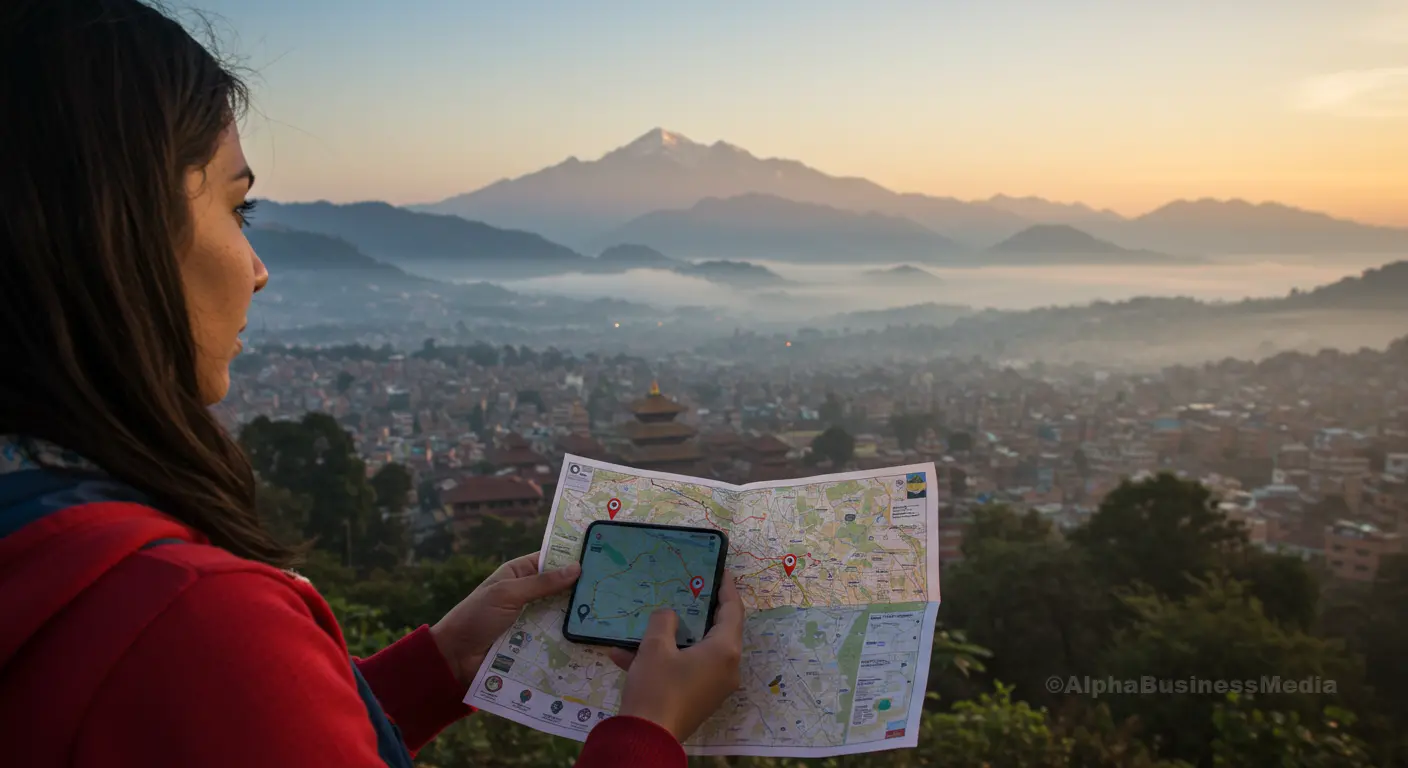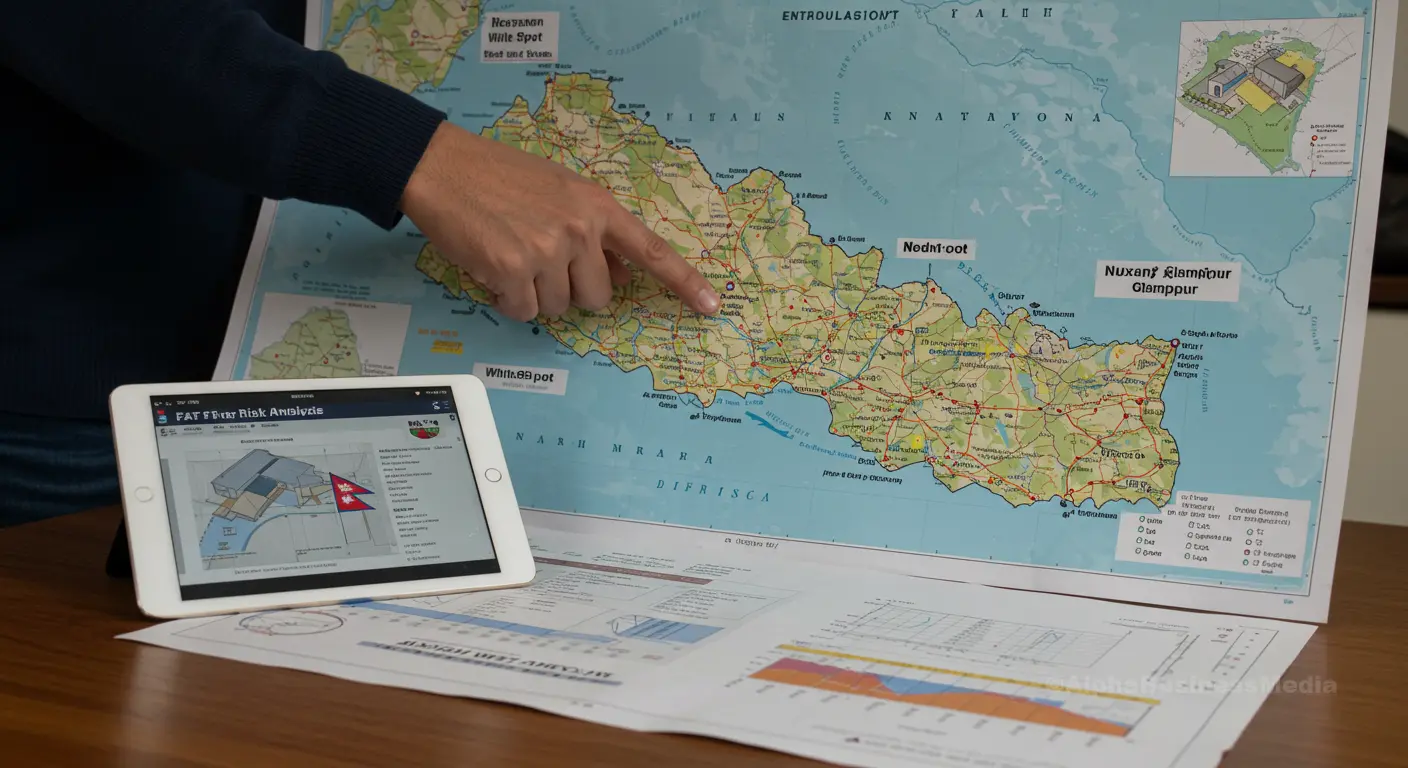
Nepal is a country whose name is inextricably linked with the majestic Himalayas. For millions of people around the world, dreams of adventure and spiritual exploration are embodied in images of the snow-capped peaks of Everest and the scenic trails around Annapurna. These two regions have served as a magnet for tourists for decades, bringing in vital foreign exchange and shaping the country’s international image. But today, amid growing global demand for unique travel experiences and mounting environmental challenges, the question arises: are these legendary routes becoming “tired”?
The popularity of Everest and Annapurna has its downsides. The growing influx of tourists puts significant pressure on fragile mountain ecosystems, leading to the accumulation of garbage, pollution of water sources and erosion of trails. Local communities, although receiving economic benefits, also face the challenges of preserving their unique culture and traditional way of life under the pressure of commercialization. Moreover, the excessive concentration of tourism activity on a few “promoted” destinations leaves other, equally attractive, but lesser-known regions of Nepal in the shadows, limiting the potential for more balanced and sustainable tourism development throughout the country.

In 2025, as Nepal seeks to restore and surpass pre-pandemic tourism levels, taking stock of the state of its major trekking destinations and developing urgent conservation strategies is a top priority. It’s not just about maintaining tourist appeal, but about the long-term viability of the country’s entire tourism industry, its environmental sustainability, and preserving its unique natural and cultural heritage for future generations. Alpha Business Media examines the current situation, identifies key challenges, and analyzes what steps Nepal is taking and needs to take to ensure its top tourism gems continue to shine without losing their luster and pristine beauty.
Everest and Annapurna – Pillars of Nepalese Tourism: Current Status
The Everest (Khumbu) and Annapurna regions have traditionally been the most popular and iconic trekking destinations in Nepal, attracting the lion’s share of foreign outdoor enthusiasts.
Route Popularity: Statistics and Trends (2023-2025)
Precise up-to-date statistics on the distribution of tourists specifically on the Everest and Annapurna routes in 2023-2025 are limited in the materials provided. However, overall trends in tourist arrivals to Nepal point to a recovery from the pandemic. Nepal received 1,014,885 foreign tourists in 2023 and 1,147,024 in 2024.1In January-May 2025, the country was visited by 501,264 tourists.2

Historically, trekking and mountaineering have been the main goals for a significant proportion of foreign tourists, especially from Western countries.1The routes to Everest Base Camp and around Annapurna are consistently among the most popular.3For example, in pre-Covid 2019, the Khumbu (Everest) region was visited by around 60,000 trekkers and climbers. As tourism generally recovers, the pressure on these classic routes is expected to increase unless proactive steps are taken to diversify.
Interest in these destinations is fueled by their worldwide fame and unique natural and cultural features. The Everest trek offers the opportunity to see the highest peak in the world and get acquainted with the Sherpa culture.4The Annapurna Circuit is renowned for its varied landscapes, from subtropical forests to high-altitude deserts, and its rich ethnic cultures.3
Economic importance for local communities and the national economy
Tourism in the Everest and Annapurna regions is a vital source of income for local communities. It creates jobs in hospitality (lodges, tea houses), guides, porters, and stimulates the development of related services and the sale of local handicrafts.5Income from tourism helps improve the living standards of local people and is an important factor in reducing poverty in these often remote and inaccessible mountain areas.
At the national level, tourism is Nepal’s largest industry and a major source of foreign exchange.1In 2024, tourism’s contribution to the country’s GDP was about 6%.6Given that a significant portion of this contribution is generated precisely through the popularity of Himalayan trekking routes, the economic health of the Everest and Annapurna regions directly impacts the macroeconomic performance of the entire country.
However, despite the obvious economic benefits, there is a downside. Dependence on tourism makes local communities vulnerable to any fluctuations in tourism flow, be it global crises (like the COVID-19 pandemic) or local problems. In addition, the uneven distribution of tourism revenues and the leakage of a significant portion of funds to tour operators based in Kathmandu or abroad are also pressing issues.
2. Warning Signs: Growing Load and Its Consequences
The steady rise in popularity of Nepal’s major trekking routes is not without consequences. The increase in tourist numbers is creating a whole host of problems that threaten both the unique ecosystems and the authenticity of the cultural experience.
2.1 Environmental issues
The problem of garbage and waste
One of the most visible and pressing problems on popular treks, especially on the way to Everest Base Camp, is the accumulation of garbage. Plastic bottles, food packaging, discarded gear, and lodge waste pose a serious environmental threat. Due to the high altitude and lack of waste disposal infrastructure, garbage is often simply burned (leading to air pollution) or dumped in gorges, contaminating the soil and water sources. It is estimated that several tons of garbage are generated annually in the Everest region alone. Clean-up initiatives such as the Sagarmatha Cleanup Campaign, run by the Nepalese army and various organizations, although producing some results (such as collecting tons of garbage and even human remains from Everest and other peaks), are rather reactive measures and do not address the problem systematically.

Pollution of water resources
Wastewater from lodges and campsites, as well as waste from tourists and service personnel, often flows directly into mountain rivers and streams, which serve as a source of drinking water for lower-lying settlements and are part of fragile aquatic ecosystems. This leads to bacterial contamination and deterioration of water quality, creating health risks for both humans and wildlife.
Trail erosion and soil degradation
The constant flow of trekkers and caravans with supplies leads to soil compaction and erosion of hiking trails. In some places, the trails widen, turning into wide trampled areas, which disrupts the natural vegetation and contributes to the soil being washed away during rains and snowmelt. This is especially noticeable on steep slopes and near popular viewpoints.
Deforestation for tourism
Despite the bans and restrictions, forests continue to be cut down in some areas to provide lodges with firewood for heating and cooking. This exacerbates the problem of deforestation, leads to loss of biodiversity and increases the risk of landslides and mudflows in mountainous areas. The transition to alternative energy sources (solar panels, gas) is slow due to high costs and logistical difficulties.
2.2 Socio-cultural changes
Impact on traditional way of life and culture

Mass tourism inevitably affects the traditional way of life and culture of local communities. On the one hand, it brings economic benefits and improves access to education and health care. On the other hand, it can lead to the commercialization of culture, when traditional rituals, dances and crafts are transformed into a commodity for tourists, losing their original sacred meaning. Young people are increasingly leaving to work in cities or abroad, which leads to the erosion of traditional knowledge and skills.
The problem of route overcrowding and declining quality of experience
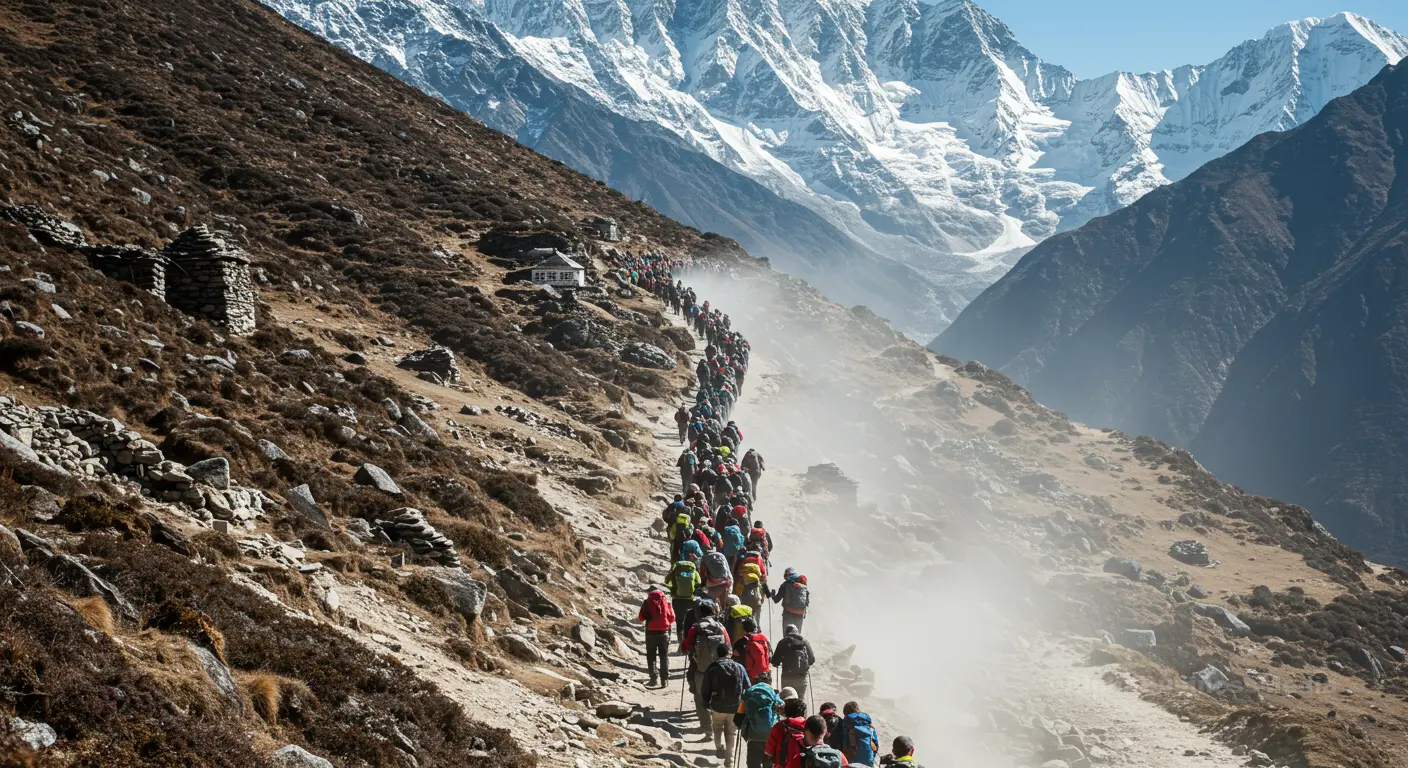
During peak seasons (spring and autumn), the most popular sections of the Everest and Annapurna treks experience significant crowding. This results in queues on narrow trails, overcrowded lodges, and a lower overall quality of the trekking experience. The sense of solitude and wilderness that many people seek in the Himalayas is lost in the crowds of other trekkers. It also puts additional strain on infrastructure and increases safety risks.
2.3 Economic aspects of overload
Risks to the long-term attractiveness of destinations
If overcrowding is not addressed, there is a real risk that Everest and Annapurna will lose their appeal to discerning tourists who will seek out more secluded and eco-friendly destinations. This could lead to a decline in tourism and revenue in the long term. Negative reviews and reports of litter and overcrowding in the international media are already damaging Nepal’s image.
Uneven distribution of benefits from tourism
The concentration of tourism activity on a few routes means that the economic benefits of tourism are distributed unevenly across the country. While the Everest and Annapurna regions are over-exploited, many other potentially attractive mountain areas remain largely undeveloped and under-invested. This exacerbates regional disparities in development.
The problems associated with overcrowding are not new, but they are becoming more acute as tourism recovers and increases. Unless the Nepalese tourism industry and government take decisive and comprehensive measures, the “fatigue” of the main trekking routes could become a chronic disease with irreversible consequences for the ecology, culture and economy of the country.
3. Nepal’s Strategies: Meeting the Challenges
In the face of growing pressure on popular trekking routes, Nepal is undertaking and considering various strategies to maintain their attractiveness and ensure sustainable tourism development.

3.1 Government policy and regulatory measures
New rules and restrictions on routes
The Nepalese government and local authorities periodically introduce new rules and restrictions aimed at reducing the negative impact of tourism. These include:
- Ban on single-use plastic: Some regions, such as the Khumbu (Everest region), have banned the use of single-use plastic items such as water bottles.7Tourists are encouraged to use reusable flasks and water purification systems.
- Mandatory use of guides and GPS trackers: In order to improve safety and control, as well as to create additional jobs for the local population, requirements for mandatory accompaniment of trekkers by licensed guides are being considered or have already been introduced. The introduction of GPS trackers to track the location of tourists and promptly respond to emergencies is also being discussed.
- Quotas and permits: To regulate the flow of tourists on particularly popular or ecologically sensitive routes, permit systems are used, the cost of which may vary depending on the season and popularity of the route. The possibility of introducing quotas on the number of tourists simultaneously present on certain sections is being discussed.
Waste management and route cleaning efforts
Regular campaigns to collect rubbish are carried out on trekking routes and mountain slopes, often involving the army, volunteers and international organisations.7Temporary waste collection points are being created, and attempts are being made to organize waste removal and recycling, although this is associated with significant logistical difficulties in high-altitude conditions.
Promoting green and sustainable tourism
At the state level, commitment to the principles of sustainable tourism is declared. This is reflected in various national strategies and development plans.8The emphasis is on minimising carbon footprint, preserving biodiversity and supporting local communities. Eco-lodge concepts using renewable energy and local building materials are promoted.4
3.2 Diversification of tourism products and destinations
One of the key strategies for reducing pressure on Everest and Annapurna is to redirect some of the tourist flow to new, lesser-known routes and develop alternative types of tourism.
Opening and promotion of new trekking routes
Nepal has great potential for developing trekking beyond the classic routes. The Manaslu Circuit, Kanchenjunga Base Camp Trek, Mundum Trail and other routes in less developed areas are being actively promoted.3These routes offer unique natural beauty and cultural experiences, but require investment in infrastructure (lodges, trail markings) and marketing.
Development of alternative types of tourism
Apart from trekking, Nepal is also looking to develop other types of tourism:
- Cultural and historical tourism: Promoting UNESCO World Heritage Sites in Kathmandu Valley, Lumbini (Buddha’s birthplace) and other historical sites.3
- Health tourism (wellness): Organizing yoga and meditation retreats in secluded mountain areas.4
- Adventure tourism: Development of such activities as rafting, paragliding, bungee jumping, mountain biking.4
- Agro- and eco-tourism: Introduction to rural life, organic farming, visiting tea plantations (for example, in Ilam).7
Focus on Community-Based Tourism (CBT)
CBT is seen as an important tool for sustainable development, allowing local communities to directly benefit from tourism and preserve their culture.5Initiatives such as Community Connect 2025 aim to create authentic tourism products based on local guest houses (homestays) and involve residents in the management of tourism activities.10Examples of successful CBT projects are the villages of Sirubari, Ghale Gaun, Barpak.11
3.3 The Role of the Private Sector and International Partners
The private sector (tour operators, lodge owners, airlines) plays a key role in implementing sustainable tourism strategies. Many companies are already implementing eco-standards, offering carbon-neutral tracks and supporting local initiatives.7The Hotels Association of Nepal (HAN) also emphasizes the importance of sustainable development and diversification of tourism offerings.8
International organizations and development partners provide significant support to Nepal in the field of sustainable tourism, providing funding, technical expertise, and assistance in the design and implementation of projects for environmental conservation and local community development.
The effectiveness of these strategies depends on their comprehensiveness, consistency and effective enforcement. There is often a gap between declared goals and their practical implementation on the ground. For example, a ban on plastic may be ineffective without the creation of alternatives and a control system. Promoting new routes requires not only advertising, but also ensuring safety and basic infrastructure. The success of diversification will largely depend on whether it is possible to create tourism products comparable in attractiveness to Everest and Annapurna, and to convey information about them to potential tourists.
4. Unexpected Leaders and New Growth Points on Nepal’s Tourism Map
In the context of efforts to diversify and reduce pressure on traditional routes, it is interesting to analyze which regions of Nepal show potential to become new tourist hotspots or are already showing signs of “unexpected” growth in 2025.
Koshi Province: Ambitions in the East

Koshi province in eastern Nepal has been making a strong statement about its tourism ambitions. The launch of the campaign “Koshi Tourism Year 2082 (2025/2026)” with the theme “Beautiful Koshi” is a clear indication of this.12The initiative has identified 82 tourist sites and is working on their categorization and promotion. Particular attention is paid to the development of cultural, religious, sports, adventure and rural tourism.
The key advantage of Koshi province is its geographical location – its proximity to India, which opens up great opportunities to attract Indian tourists. The provincial authorities are working hard to remove barriers for Indian travellers, lobbying for an increase in the limit on the import of Indian currency and introducing a sticker system for Indian vehicles to combat illegal extortions at the border.12
While the direct impact of the new international airports in Pokhara and Bhairahawa on Koshi may be limited, indirect effects cannot be ruled out. First, the overall increase in interest in Nepal as a tourist destination may stimulate curiosity about lesser-known regions. Second, if the new airports partially relieve TIA of congestion, this may lead to improved domestic air travel accessibility, including to airports in Koshi province (e.g. Biratnagar). Finally, a proactive marketing strategy by the province itself and a focus on the specific needs of the target market (Indian tourists) may produce synergistic effects. The “surprise” of Koshi’s leadership is that it is a region that has not previously been in the spotlight of international tourism in Nepal, but with focused efforts and strategic vision, it can significantly strengthen its position.
Development of Community Based Tourism (CBT) in new regions
Community-based tourism initiatives such as Community Connect 2025 are opening up new, lesser-known regions to tourists seeking authentic experiences and deep immersion in local culture.10In 2025, the programme covers areas such as Dhankuta (Eastern Nepal, Koshi Province), as well as Narchang and Hemjakot (Western Nepal, close to the Annapurna region but offering an alternative experience) and parts of the Kathmandu Valley (Kirtipur, Patan).10
These projects aim to empower local communities, especially women and youth, and offer tourists unique experiences: staying with homestays, participating in the preparation of traditional dishes, learning about local crafts and ways of life, and hiking along untouched trails.5This approach not only helps to diversify tourism offerings and reduce pressure on popular routes, but also ensures a fairer distribution of tourism revenues.
The “surprise” of growth in these regions is that they offer an alternative to mass tourism, attracting a specific segment of travellers who value authenticity, sustainability and personal interaction. The success of such initiatives could spur the development of CBTs in other parts of Nepal, gradually changing the tourism map of the country.
Potential of regions with niche offers

Global trends point to a growing demand for specialized types of tourism, such as wellness (yoga, meditation), extreme adventure (beyond the classic tracks) and cultural and educational.8Regions in Nepal that can offer quality niche products could become new growth points.
For example, areas adjacent to Pokhara but off the main Annapurna routes can develop yoga and meditation centres, taking advantage of the natural beauty and tranquility of Phewa Lake and the surrounding mountains. Remote areas of Western Nepal, such as Dolpo or the region around Rara Lake, have great potential for adventure tourism, offering unique landscapes and untouched culture.
While the direct impact of new airports on these niche destinations may not be as noticeable in 2025, improved overall accessibility (including domestic flights) and active marketing could help them gradually emerge from the shadows. The “surprise” here could be that previously little-known destinations, thanks to a unique offer and the right positioning, will begin to attract a steady stream of tourists looking for something special.
It is important to note that identifying and quantifying the “unexpected” regional leadership by mid-2025 is difficult due to the lack of detailed and timely statistics by region. However, an analysis of current initiatives, infrastructure investments, and changing tourist preferences allows us to identify destinations with high potential for growth and change the traditional tourism map of Nepal.
Conclusion: Towards a Sustainable Future for Nepal Tourism
An analysis of the current situation with the load on Nepal’s main trekking routes – Everest and Annapurna – in 2025 reveals a complex picture. On the one hand, these regions remain iconic and economically important for the country, attracting significant numbers of tourists.1On the other hand, their growing popularity gives rise to serious environmental, socio-cultural and economic problems that threaten their long-term attractiveness and sustainability.7

The problem of Everest and Annapurna fatigue is not just a metaphor, but a reality of litter accumulation, pollution, trail erosion and over-commercialization. Without decisive action, these gems of Nepalese tourism are in danger of fading.
The Nepalese government and tourism players are aware of these challenges and are taking steps. The introduction of regulatory measures such as a plastic ban and possible quotas, efforts to clean up trails and promotion of sustainable tourism principles are important but not yet sufficient.7The key strategy should be the active development and promotion of alternative tourism destinations and products. Opening new trekking routes, developing cultural, health, adventure and, especially, community tourism in lesser-known regions is the way to diversify tourist flows and reduce pressure on Everest and Annapurna.3
In 2025, potential “unexpected leaders” are already emerging – regions that, through targeted efforts and unique offerings, can attract new tourists. Koshi Province, with its focus on the Indian market12and areas developing community tourism10, demonstrate such potential.
However, the success of these strategies depends on addressing a number of systemic issues:
- Infrastructure: A radical improvement of the road network and domestic air traffic is needed to ensure accessibility of new regions.14
- Quality and safety: Ensuring high standards of service, safety and environmental responsibility on all tourist routes.
- Marketing and information: Effective promotion of new destinations and products on the international market, providing tourists with complete and reliable information.
- Involving local communities: Ensuring that local residents are not just service personnel, but full partners and beneficiaries of tourism activities.
- Regulatory environment: Creating a stable, transparent and predictable regulatory environment that encourages investment in sustainable tourism and effectively combats negative consequences (e.g. corruption in the implementation of infrastructure projects)16).
In conclusion, Nepal faces the need to rethink its tourism model. Simply exploiting the glory of Everest and Annapurna is no longer enough. The future lies in balanced, sustainable and diversified tourism that respects nature and culture, benefits local communities and offers tourists a rich and diverse experience. 2025 could be a turning point if the stated strategies are backed by real actions and investments.oal: to make travel in this amazing country more comfortable, safe, rich and memorable, attracting new customers and ensuring sustainable development of the industry for many years to come.
Source used
- Tourism in Nepal – Wikipedia
- Total Number of Tourist arrival in Nepal in year of 2025 is 5,01,264
- Visit Nepal 2025: Trekking, Culture & Travel Guide
- Nepal Travel Trends 2025: What’s New for Trekkers and Tourists
- Community Connect 2025: Unveiling Nepal’s Hidden Gems Through Responsible Tourism
- Nepal sees record 116490 tourists in April, signals robust tourism recovery
- Green Tourism in Nepal: Leading the Way in Sustainable Travel for 2025 – Binita Karki
- NEPAL HOTEL – Hotel Association Nepal
- A CITY-CENTRIC APPROACH TO ESTIMATE AND EVALUATE GLOBAL URBAN AIR MOBILITY DEMAND – arXiv
- Community Connect 2025 – Nepal Tourism Board
- Community-Based Tourism in Nepal: A Sustainable Travel Approach – Footprint Adventure
- Promotion of tourist destinations underway in Koshi – The Rising Nepal
- Insider Trading in Nepal’s Stock Market and Its Effect on Middle-Class Investors
- 2025 Private Markets Outlook | Adams Street Partners
- Insulate Tourism Sector From Setbacks – The Rising Nepal
- Pokhara International Airport Scandal: Uncovering Foul Play in China-Loaned BRI Project
- Lumbini Records Tourist Arrival of 1.17 Million in 2024