Introduction: Nepal’s Tourism Sector at a Crossroads
Tourism for Nepal is not just one of the sectors of the economy, but its backbone, the main source of foreign exchange and a significant source of government revenue.1In 2024, its contribution to the country’s gross domestic product (GDP) was estimated at approximately 6%.2, and according to some data reached 6.7% of GDP.1 In absolute figures, tourism revenue in 2023 alone amounted to $471 million.1The aviation sector, which is inextricably linked to international tourism, directly generates $256.9 million in GDP and provides 12,100 jobs. When considering the multiplier effect on related industries, including tourism itself, this figure rises to an impressive $1.0 billion in GDP and 381,200 jobs.3 These data clearly demonstrate the critical dependence of the national economy on the stability and growth of the tourism industry. Historically, tourism development has been seen in Nepal as one of the key tools for reducing poverty and achieving greater social equality.1
This high dependency makes Nepal’s economy particularly vulnerable to any shocks that could impact the tourism sector, be it global pandemics, natural disasters, geopolitical instability or domestic political issues. This has been demonstrated in recent years, with the COVID-19 pandemic causing a sharp drop in tourism arrivals.1, and internal events such as floods or disruptions to key infrastructure, such as the upgrading of Kathmandu airport, also had a noticeable negative impact.5 Efforts to restore tourism in 2025 are therefore not simply a matter of chasing arrivals numbers, but a fundamental challenge to strengthen the country’s economic resilience and provide stable sources of income for a large part of the population. Success or failure in this regard will have far-reaching implications beyond the tourism sector itself and affect Nepal’s overall development trajectory.

With global trends giving some cause for optimism – in particular UN Tourism’s predictions of “significantly better” prospects for global tourism in 2025 compared to 20244 – Nepal is faced with a choice of its own path. A favorable external environment creates opportunities, but the country faces a whole range of specific internal and external challenges that could either catalyze the revival of the industry or lead to its further stagnation. The objective of this study is to conduct a comprehensive analysis of the impact of updated airport infrastructure and government initiatives on the dynamics of tourist flow to Nepal in 2025. We aim to objectively assess both positive changes and persistent problems in order to answer the main question: is the observed picture the beginning of a tourism renaissance or does it indicate a protracted stagnation.
It is important to understand that Nepal cannot passively expect that the global wave of tourism recovery will automatically lift its performance. The specificity of Nepal’s challenges – from the downturn in key markets India and China to underutilization of new airports and the impact of the FATF grey list – requires targeted and effective domestic efforts. The actual trajectory of Nepal’s tourism in 2025 will therefore be determined by the complex interplay of its ability to leverage domestic improvements (infrastructure upgrades, new policy initiatives) to overcome these unique and persistent challenges. Global trends alone are no guarantee of success for Nepal; specific national actions will be critical.
Dynamics of tourist flows: Encouraging figures and hidden threats

Analysis of arrival statistics (2023-2025)
The overall picture of Nepal’s tourism sector’s recovery from the pandemic is mixed, with both periods of growth and unexpected downturns, requiring detailed analysis to understand the true trends.
Nepal received 1,014,885 foreign tourists in 2023, marking a significant increase of 65.1% compared to the extremely low figures in 2022.1 This positive trend continued in 2024, when the country was visited by 1,147,024 tourists, an increase of 13.02% compared to the previous year.1However, the figure still has not reached the pre-pandemic level of 2019, when 1,197,191 arrivals were recorded.1
The first five months of 2025 have yielded mixed results. The total number of foreign tourists visiting Nepal from January to May was 501,264.7Let’s look at the monthly dynamics:
- January 2025: 79,991 arrivals.2 This figure was 98.4% of the pre-COVID 2019 January level, indicating an almost complete recovery for this month.4
- February 2025: 96,880 arrivals.2
- March 2025: The figures vary slightly: 121,800 arrivals according to Nepal Tourism Board (NTB)2 and 121,687 according to other sources.9
Despite the generally positive figures for individual months, data for the first quarter of 2025 (January-March) indicate a total of 298,558 tourist arrivals, down 2.1% from the same period in 2024 (304,693 tourists).4 This discrepancy requires special attention as it may indicate the influence of temporary negative factors, such as the ongoing upgrade of Tribhuvan International Airport (TIA) until the end of March.4
However, the following months showed a sharp rise:
- April 2025: Record 116,490 arrivals.2 This figure became an absolute record for April in the entire history of Nepalese tourism, exceeding the pre-COVID April 2019 (109,399 tourists) by 6.5%.2
- May 2025: 86,216 arrivals, an impressive 95.6% increase over May 2024.7
Record figures for April 2025, backed by strong growth in May, suggest that Nepal’s tourism sector may indeed be on the cusp of a renaissance, reversing the slight decline seen in the first quarter. This rebound coincides with the completion of a major upgrade of the Tribhuvan International Airport (TIA) by the end of March 2025.4 and intensified promotional campaigns targeting the spring tourist season. This points to the positive impact of the easing of infrastructure restrictions and marketing efforts. However, the sustainability of this growth will depend on Nepal’s ability to address bottlenecks in key markets and ensure a consistent quality of tourism services. The removal of the bottleneck of limited TIA capacity has likely released pent-up demand and contributed to a smoother arrival of tourists in April and May.
Table 1: Dynamics of tourist arrivals to Nepal by month (January-May 2025 compared to 2024, 2023 and 2019)

Note: Data for 2024, 2023, and 2019 for January-March and May are partially reconstructed from percentage changes or quarterly totals from the sources cited to ensure comparability. Exact monthly data for all years were not available from a single source.
This chart illustrates the recovery trajectory. Decline in Q1 2025 vs. 20244is replaced by confident growth in April and especially in May, which allows the cumulative indicator for five months of 2025 to exceed both the level of 2024 and the pre-pandemic 2019. This confirms the thesis about a possible turning point.
Key Markets: India and China – Growth Stagnation or Temporary Difficulties?
Despite the overall positive signals in mid-spring 2025, the situation in Nepal’s two traditionally largest tourism markets – India and China – is of serious concern and requires close analysis.
India continues to be the main supplier of tourists. In April 2025, 25,933 people arrived from India2, and in May – 28,160.7However, these figures were preceded by an alarming decline in the first quarter: compared to 2024, the number of Indian tourists fell by 15% in January, by 25% in February and by a whopping 30% in March.4 Nepal Tourism Board also noted stagnation in the growth of Indian tourist flow in April.2 Among the main reasons for this state of affairs, experts cite China’s suspension of the popular Indian pilgrimage route to Mount Kailash via Nepal, a series of road accidents and air crashes in Nepal that have raised concerns about travel safety, as well as a noticeable increase in airfare prices.13
China, the second-largest market, also shows weak momentum. In April 2025, Nepal received 9,037 Chinese tourists2, in May – 8,824.7 However, the total figure for the first four months of 2025 (36,954 tourists) was even lower than for the same period in 2024 (38,290).14NTB also noted the lack of growth in Chinese tourist flow in April.2 The key factors holding back the influx of tourists from China are the economic downturn in China itself following the COVID-19 pandemic, the overall decline in outbound tourism from China, the high cost of air travel to Nepal and the apparent lack of effectiveness and attractiveness of the programs under China’s “Visit Nepal Year”.14
The continued stagnation or even decline in tourist arrivals from India and China, despite the overall increase in arrivals in April-May from other countries, represents a fundamental structural weakness for Nepalese tourism recovery. This is not just a statistical fluctuation, but an indication of specific, unresolved issues that require urgent and targeted measures beyond general promotional campaigns. Security concerns and high tariffs for the Indian market, as well as economic conditions and ineffective promotion for the Chinese market are all specific challenges. Visit Nepal Year in China Campaign15, does not seem to be living up to expectations in terms of increasing the number of Chinese tourists.14
Other important markets demonstrate greater stability. The United States consistently ranks among the top three in terms of arrivals: 10,053 tourists in April 2025, 9,074 in May.2 The United Kingdom, Bangladesh, Australia, Germany and France also make significant contributions.7 The relative resilience and growth of tourists from Western countries (US, Europe) indicate that Nepal’s core offering of adventure and unique cultural tourism is still in demand in these segments. However, these markets, while valuable, have traditionally been inferior to India and China in terms of volume. Therefore, to achieve ambitious growth targets such as 1.6 million tourists per year,2 or even 5 million by 2034, as stated by the Hotels Association of Nepal (HAN).17, Nepal needs a multi-vector strategy: solving problems with the Indian and Chinese markets and simultaneously actively developing and diversifying new promising areas. Relying on growth from other, smaller markets to compensate for losses from its main Asian neighbors is a risky strategy.
Transformation of Tourist Preferences: New Trends

Current global tourism trends are playing into Nepal’s hands in many ways, with its traditional strengths resonating with a new generation of travellers.
- Adventure tourism and trekking remain the calling card of Nepal. Routes to Everest, Annapurna, Langtang still attract adventurers.18 Today’s travelers are increasingly looking for more than just a vacation, but unique, transformative experiences and opportunities for personal growth, which is entirely in keeping with the spirit of Himalayan expeditions.18
- Demand is growing deep cultural immersionTravelers seek to interact with local communities, want to get acquainted with authentic life, national cuisine, traditional crafts and hear living stories from cultural bearers.19
- Gaining popularity wellness tourism, including various meditation practices, yoga retreats and wellness programs in a tranquil natural setting.20
- The key trend is becoming sustainable and ecotourism Travelers are increasingly paying attention to issues of minimizing harm to the environment, supporting local economies and responsible consumption.17 In response to this demand, new eco-tourism routes and eco-lodges are emerging in Nepal.19
Nepal’s traditional tourism products, especially in the areas of adventure and unique cultural experiences, are remarkably in line with current global post-pandemic trends that emphasize the importance of authenticity, personal growth and sustainability.17 The challenge for Nepal is not the lack of a suitable product, but its effective packaging, marketing, provision of necessary infrastructure (especially in remote areas) and consistent high quality of services to a demanding international audience. The rise of community-based tourism initiatives is a direct and positive response to this global demand. Nepal’s success in attracting a new generation of tourists will depend on its ability to offer not just “mountains”, but holistic, sustainable and deeply integrated experiences with local communities.
Airport Infrastructure: Modernization as a Catalyst for Growth?

Development and modernization of airport infrastructure is one of the key factors that can influence the recovery and further growth of tourist flow to Nepal. In recent years, significant efforts have been directed both to the renovation of the main capital airport and the creation of new international air gateways.
Tribhuvan International Airport (TIA), Kathmandu
- Completion of the upgrade and its impact:
The major TIA expansion project, which began on November 8, 2024, was substantially completed by March 31, 2025. (5) By March 2025, overall progress was estimated at 60%.11 Key elements of the upgrade included the construction of a parallel taxiway, which is expected to reduce runway occupancy times by approximately 22.5%, a new international apron with capacity for 18 aircraft (65% complete by March), and a new hangar apron (35% complete by March).11 These improvements were urgently needed as TIA, originally designed to handle 2-3 million passengers per year, handled more than 4.5 million passengers in 2024, exposing a severe capacity shortage. (11) The period of modernization works had a noticeable negative impact on the tourist flow. The reduction of the airport operating hours (daily closure for 8-10 hours from November 2024 to March 2025) led to numerous flight cancellations and delays, a reduction in domestic air traffic by 30-35%, as well as a sharp increase in airfare prices. As a result, there was a decrease in the number of tourists, especially in the second quarter of the current financial year (late 2024 – early 2025).4 This has drawn fair criticism from tourism industry representatives and economic experts, who have pointed out that the timing of such large-scale work during the peak tourist season is not optimal.5
However, from April 1, 2025, the airport resumed operations in 18-hour mode.4 This event coincided closely with the record arrivals in April, indicating that a previously existing infrastructure bottleneck has been lifted and is having a positive impact on accessibility. The completion of the TIA upgrade and the subsequent surge in arrivals in April demonstrate a clear cause and effect relationship: the removal of a major infrastructure bottleneck has a direct and positive impact on tourism flow. This suggests that the previous capacity constraints at TIA were a significant constraint. Long-term success will now depend on whether the increased capacity can be sustained and managed effectively, and whether it leads to lower airfares through increased competition. - Boutique airport concept:
In the 2025-26 fiscal year budget, the Nepal government has allocated NPR 4.15 billion to implement the TIA ‘boutique airport’ project.25 The idea is for the airport’s design and ambience to reflect Nepal’s unique cultural and architectural heritage. The concept was first floated in 2019. (25) The TIA ‘boutique airport’ initiative certainly aims to improve the aesthetics and cultural appeal of the country’s premier gateway. However, it is essentially a ‘soft’ infrastructural improvement. Its primary impact will be felt in enhancing the passenger experience and strengthening the nation brand, rather than in directly increasing capacity or operational efficiencies for airlines. The concept’s contribution to tourism recovery will be more indirect, through improved country image and increased traveller satisfaction. To achieve tangible results, the project needs to be complemented by ‘hard’ operational improvements and competitive airport charges. A pleasant airport experience is important, but it is unlikely to be a deciding factor in choosing Nepal if the flights are expensive or inconvenient.
New International Airports: Gautam Buddha (GBIA) and Pokhara (PIA)

Apart from upgrading TIA, Nepal had high hopes for two new international airports to diversify the country’s entry points and boost regional tourism.
- Gautam Buddha International Airport (GBIA), Bhairahawa:
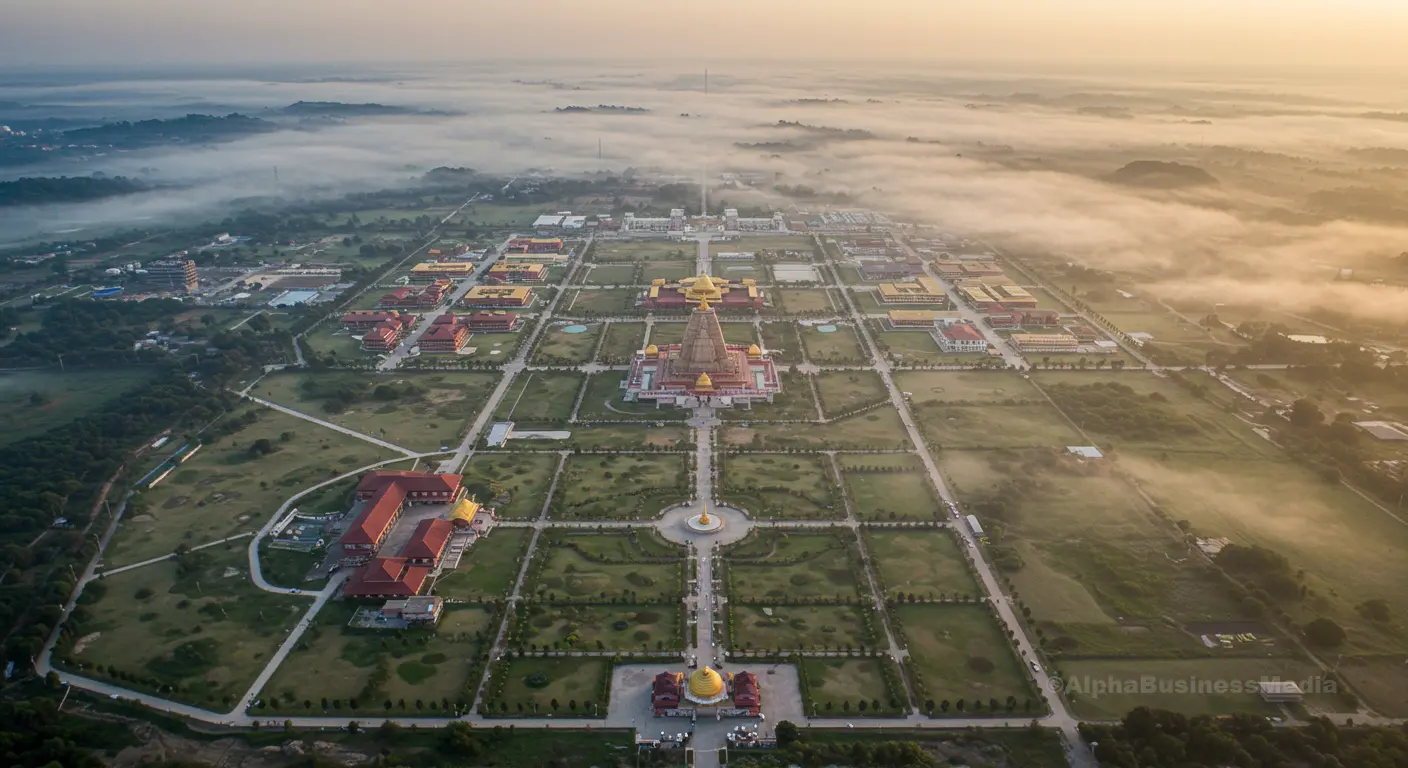
Opened in May 2022, (26) GBIA has faced significant challenges in attracting international flights. As of March 2025, the authorities have stepped up efforts to make it fully operational by formulating a plan to that end in conjunction with the Civil Aviation Authority of Nepal (CAAN). (27) The airport’s passenger traffic has been modest: 8,157 in 2024 and 13,181 during the period January to 20 March 2025. (27) A satellite-based landing system, RNP-AR, has been introduced to improve navigation in adverse weather conditions. (27) The government has announced special discounts for airlines and measures to simplify procedures for passengers. (27) There are plans to convert the current terminal into a domestic terminal and build a new international terminal, potentially making GBIA the largest international airport in Nepal in terms of infrastructure capacity. (28) Despite being fully operational and operating 24 hours a day for three years, international flights to GBIA remain irregular and seasonal.26By May 2025, international air traffic to GBIA was effectively suspended as airlines failed to submit applications to operate flights during the summer season.26Five international airlines (Jazeera Airways, Fly Dubai, Thai Asia, Qatar Airways and Nepal Airlines) operated flights between September and November 2024 but then ceased operations at the airport.26The only direct international flight mentioned is Jazeera Airways’ route from Kuwait to Lumbini (GBIA).29 - Pokhara International Airport (PIA), Pokhara:
PIA was inaugurated on 1 January 2023. (30) The first scheduled international flight from Pokhara to Lhasa (China) operated by Himalaya Airlines was launched weekly from 1 April 2025. (30) Until now, since its opening, the airport has handled only 13 international charter flights, mostly to China. (32) To attract airlines, Pokhara Airport has offered two-year waivers on landing, parking and ground handling charges and has waived the passenger tax.30Chinese airline Sichuan Airlines has expressed its readiness to operate 10 charter flights on the Chengdu-Pokhara route.30Bangladesh’s Air Astra also planned to start flights to Pokhara, but those plans were shelved.33PIA is positioned as an important tourism hub25, especially in light of the “Visit Pokhara Year 2025” campaign.30However, the airport’s reputation has been tarnished by reports of corruption in its construction, involving billions of rupees, and design flaws, including a runway built nearly 20 feet below the designed ground level, which has adversely affected the safety and operation of aircraft.31
Chronic GBIA underutilization26and an extremely slow start to PIA’s international operations30, despite significant public investment and declared commitment, point to fundamental miscalculations in demand forecasting, assessing the economic feasibility for airlines, or the failure of the route network development strategy. These airports, designed to relieve TIA and stimulate tourism in the regions, so far play a more symbolic than real role in increasing the overall tourist flow to the country. Their success, necessary for decentralizing tourism and obtaining broader economic benefits, requires much more active and thoughtful actions to attract international carriers and develop them as real alternatives or complements to TIA. Reasons such as the lack of interest from airlines despite incentives30and operational problems31, point to systemic problems that go beyond simply building airports.
Moreover, reports of corruption and construction defects at PIA31could undermine its long-term viability and safety reputation. This could potentially deter airlines and impact insurance costs, further complicating efforts to increase international flights. Safety is paramount in aviation, and unless these issues are addressed transparently and effectively, they could become a major barrier to attracting international carriers, regardless of the incentives offered.
Table 2: Status and key international routes of TIA, GBIA, PIA airports (mid-2025)

This table clearly illustrates the current status of Nepal’s international air gateways. While TIA has demonstrated its ability to handle the growing traffic after its modernization, the new GBIA and PIA airports have not yet lived up to the expectations placed on them, creating an imbalance in the distribution of tourist flows and limiting the potential for regional tourism.
State policy in the sphere of tourism: Towards efficiency
The Nepalese government in 2025 is demonstrating a heightened focus on the tourism sector, launching a variety of initiatives to encourage international visitors and strengthen the industry. However, the effectiveness of these measures will largely depend on their coordination, realistic goals, and ability to overcome systemic challenges.
Flagship promotion campaigns

- “Visit Nepal Year 2025” (jointly with China): The campaign was announced in January 2025 to coincide with the 70th anniversary of the establishment of diplomatic relations between Nepal and China.15The stated goals are to attract more Chinese tourists and strengthen bilateral ties in tourism, energy and agriculture.16However, there is a perception that the initiative also serves China’s broader geopolitical and economic interests, including a desire to justify major Chinese investments in Nepalese infrastructure (such as Pokhara airport) and expand its economic influence in the region.15Weak response from Chinese tourists in early 202514calls into question the immediate effectiveness of this campaign in terms of increasing tourist flow.
- “Visit Pokhara 2025”: An ambitious regional campaign aims to attract 2 million tourists to Pokhara by 2025.23The main focus is on promoting sustainable tourism, showcasing new attractions (beyond traditional lakes and mountains), developing tourism infrastructure and improving service quality.23The campaign will include sister city agreements, international conferences and an investment summit to attract capital to the region’s tourism sector.39
- “Tourism Year 2082 (2025/2026)” in Koshi Province: The campaign, under the slogan “Beautiful Koshi”, aims to identify and actively promote 82 tourist sites in the province.20Particular attention is being paid to improving the tourist policy, in particular lobbying for increasing the limit on the import of Indian rupees for Indian citizens and introducing a sticker system for Indian vehicles to combat illegal extortion.20
The existence of several “Years of Tourism” (national with a focus on China, regional in Pokhara, provincial in Koshi) in 2025 indicates serious intentions of the authorities at different levels to activate the tourism industry. However, such a multiplicity of initiatives carries the risk of dispersion of focus, resources and marketing efforts, unless they are carefully coordinated and do not have clear differentiation. The success of these campaigns will not be measured by loud slogans, but by real improvements in infrastructure, service and solutions to the specific problems of target markets, especially India and China. China’s complex initiative “Visit Nepal Year 2025”15, appears to be multifaceted, with geopolitical and economic implications that go beyond pure tourism promotion. It aims to increase the profitability of Chinese infrastructure investments (such as the Pokhara airport) and expand China’s economic presence, potentially displacing local Nepali businesses.
Visa policy and new initiatives
- Current visa requirements (as of February-March 2025): To enter Nepal, foreign nationals require a tourist visa, which can be obtained upon arrival in the country (at the airport or land border points) or in advance from Nepalese diplomatic missions. The maximum stay on a tourist visa is 150 days in a calendar year. The cost of the visa varies depending on the duration: 15 days – about $30, 30 days – about $50, 90 days – about $125.40A major change from February 2025 is the requirement that foreigners must initially arrive in Nepal on a tourist visa and only after arrival can convert it to another type of visa (such as a student or work visa) if eligible.40
- Policies for “digital nomads”: As part of the “Economic Reform Implementation Plan 2025”, the Nepalese government has announced the introduction of a special visa for “digital nomads”.23The policy is planned to be implemented within a year from May 2025. It provides for the issuance of a single-entry multi-year (5-year) visa. The key requirements for obtaining such a visa are a monthly income of over $1,500 or a bank account with a balance of over $20,000, as well as medical insurance with coverage of at least $100,000, valid for treatment in Nepalese hospitals. “Digital nomads” will be entitled to reside in the country for a period of one year, the ability to open bank accounts, and register vehicles in their own name. When living in Nepal for more than 186 days a year, an income tax of 5% is imposed.23Nepal Tourism Board is actively supporting this initiative, seeing it as an opportunity to attract a new category of tourists – high-income professionals working remotely who can stay in the country for a long time and contribute to the local economy.23The new digital nomad visa is a progressive measure that could attract a new, potentially high-income, long-term segment of tourists to Nepal. Its success will depend directly on the speed and quality of implementation (stated “within a year” from May 2025), as well as the parallel development of the necessary supporting infrastructure, such as co-working spaces and reliable high-speed internet, which is also envisaged in the plan.41
Fiscal incentives and budget support
Nepal’s budget for the 2025-26 fiscal year includes a number of measures aimed at supporting the tourism sector:
- Tax incentives: Tax breaks are envisaged for the information technology, hotel and tourism sectors.42In particular, for hotels and resorts the income tax rate has been reduced by 20% (to an effective rate of 20%), and they have been equated to manufacturing enterprises in terms of benefits on electricity tariffs.43
- Startup support: Startups with an annual turnover of up to NPR 100 million are exempt from income tax for the first five years of their operations.43
- Criticism from the industry: The Hotels Association of Nepal (HAN) generally welcomed the measures but expressed concern over the continuation of the 2% luxury tax and 13% VAT on air tickets and domestic tourism services, considering them factors that reduce the competitiveness of Nepal’s tourism product.44Nepal Association of Tour Operators and Travel Agents (NATTA) also expressed concerns over the continuation of VAT on air tickets.47
Despite the government taking steps to provide tax incentives to the tourism sector43, maintaining some taxes such as the luxury tax and VAT on air travel44, paints a mixed picture. This may continue to make Nepal a relatively expensive destination, especially for domestic and regional tourists, potentially offsetting the positive impact of other initiatives. Fiscal policy, while moving in a supportive direction, may not be bold enough to significantly reduce costs for tourists and operators.
Development of alternative types of tourism
- Community-Based Tourism (CBT): The Community Connect 2025 initiative, implemented by the Community Homestay Network (CHN) with the support of NTB and other partners, is being actively promoted.20The focus is on direct interaction between tourists and local communities (including the Gurung, Magar, Newar and Atpahariya ethnic groups), preservation of unique culture, economic empowerment of women and youth, and sustainable rural development.20Examples of successful CBT projects in Nepal are the villages of Sirubari, Gale Gaun, Barpak.24
- Sustainable tourism: The emphasis is on the development of eco-tourism, minimizing the carbon footprint of tourism activities and preserving the country’s natural and cultural heritage.17
Active promotion of community and sustainable tourism17is fully aligned with global post-pandemic travel preferences for authentic and responsible experiences. This trend could be a key differentiator for Nepal and contribute to a more sustainable and equitable tourism model if it is effectively scaled and marketed internationally. The success of the Community Connect 2025 initiative could serve as a model for wider adoption of such practices.
Evaluating the effectiveness of past campaigns
Analysis of previous major tourism campaigns such as Visit Nepal 1998 and Nepal Tourism Year 2011 shows that they have contributed to tourism growth predominantly in the central, already developed regions, while rural and remote areas remained underserved.48This highlights the need for more inclusive policies to ensure that tourism benefits are distributed fairly across the country. Learning from regional disparities in benefit distribution from past campaigns48is critical. Current initiatives, especially in the area of community tourism, such as “Community Connect 2025”20and “Year of Tourism in Koshi Province”38, seem to be taking this experience into account by specifically focusing on diverse and rural areas. This approach could lead to more equitable and sustainable development this time around.
Barriers to Renaissance: Key Challenges for the Industry
Despite some positive developments and active efforts by the government, Nepal’s tourism sector faces a number of serious challenges in 2025 that could slow down or even reverse the renaissance that has been underway.
Infrastructure limitations
- Ground transportation: The poor condition of roads and highways remains one of the main obstacles to the development of tourism, especially in the regions.4Nepal lags significantly behind its South Asian neighbours in terms of the density, quality and sustainability of its road network, which totals only about 28,000 km.50 The internal road system in mountainous regions such as Humla is poorly developed and unsuitable for year-round use, which leaves local populations isolated and poor, and limits tourists’ access to unique natural and cultural sites.51 Building new roads in mountainous areas poses high environmental risks, including soil erosion, landslides and deforestation.51 Even with upgraded airports, internal roads are in poor condition4 remains a critical bottleneck. This could offset the benefits of improved air travel by limiting tourists’ ability to travel to different parts of the country, negatively impacting the overall travel experience and reducing length of stay.
- Air connection: Despite TIA’s upgrades and the opening of new airports, problems with limited international air traffic and high airfares persist.2Reliance on foreign airlines, especially in the context of attracting tourists from China, is also a risk factor.14
Price competitiveness
High cost of air travel4, as well as maintaining VAT on air tickets47and luxury tax on tourist services44make Nepal a relatively expensive destination, especially for tourists from neighboring countries and budget travelers. However, the average tourist spend per day remains low – only $41, and the average length of stay is 13.2 days.4Pricing policy in Nepal, especially for air travel and some taxable services44, combined with low average daily expenditure of tourists4, indicates a problem with the value proposition. The country may be perceived as expensive in terms of price/quality ratio, or disproportionately attract budget-conscious tourist segments, which negatively impacts overall industry revenue despite possible increases in arrivals.
Impact of FATF’s “grey list”
Nepal’s inclusion in the Financial Action Task Force (FATF) grey list in February 2025 due to deficiencies in the financial system and weak anti-money laundering and counter-terrorism financing measures5 was a serious blow to the country’s international reputation. This is the third such case for Nepal after 2008 and 2014.5The potential negative consequences of this move for the tourism industry and the economy as a whole are quite significant:
- Restrictions on cross-border financial transactions, which may complicate payments for foreign tourists and tour operators.
- A decrease in official money transfers from labor migrants, which are an important source of income for the population.
- Reduction of foreign investment, including in tourism infrastructure, due to increased reputational and financial risks.
- Increased transaction costs for Nepalese financial institutions due to increased scrutiny by international correspondent banks.
- Damage to the country’s international image, which could negatively impact Nepal’s attractiveness as a tourist destination and a reliable trading partner.5
- Increased oversight by global regulators.53 Nepal Re-Included in FATF Grey List5 in February 2025 is a significant non-tourism event, but with potentially serious indirect consequences for the tourism sector. It could discourage investors from investing in tourism infrastructure, complicate international financial transactions for tour operators and tourists themselves, and negatively affect the overall image of the country as a safe and reliable destination.
Socio-political and environmental situation
- Occasional street protests (such as those by pro-monarchy forces or teachers) create a negative image of Nepal in the eyes of the international community as an unstable and unsafe country, even if these actions are not directed against tourists.4Transport strikes can also seriously disrupt travel plans and tour group logistics.54
- Air pollution in Kathmandu and other tourist areas regularly reaches unhealthy levels, which not only harms the health of locals and tourists, but also actively discourages potential visitors, especially from environmentally conscious countries.4
- Risks of natural disasters such as floods and landslides, exacerbated by climate change, continue to damage the country’s infrastructure and economy as a whole, including the tourism sector.5Recurring political instability (protests4) and serious environmental problems such as air pollution4, are significant deterrents that can quickly offset the positive effects of marketing efforts and infrastructure improvements. These factors create an unpredictable and potentially unhealthy environment for tourists, which directly affects their decision to travel to Nepal.
Global economic and geopolitical context
Nepal’s tourism industry does not operate in a vacuum, but is influenced by global economic and geopolitical processes. In 2025, the global economy is characterized by slowing growth, persistent inflation risks, and heightened geopolitical tensions.55 The risks of trade wars and increased protectionism could negatively impact global tourism flows and the economic stability of countries that are the main donors of tourists to Nepal.65 Slower economic growth in partner countries could lead to a decline in outbound tourism and remittances, on which Nepal’s economy relies heavily.5 While Nepal is focused on domestic improvements, the broader global economic downturn and geopolitical uncertainty76 could weaken global demand for travel or alter tourism flows, negatively impacting less developed and more price-sensitive markets in Nepal.
Voice of the Industry: Assessments and Expectations of the Expert Community

Assessments of the current state and prospects of Nepalese tourism by key industry players and independent experts vary, reflecting the complexity and multifaceted nature of the situation.
- Nepal Tourism Board (NTB):
NTB CEO Deepak Raj Joshi is cautiously optimistic, especially in light of the record arrivals in April. He attributes this success to Nepal’s continued appeal as a tourist destination, the effectiveness of its marketing campaigns, and improvements in air connectivity and visa policies. (2) At the same time, NTB acknowledges the challenge of stagnating tourism growth from India and China and stresses the need to develop and implement targeted promotional programmes for these key markets. (2) NTB is a strong supporter of the new Digital Nomad Policy, seeing its potential to attract high-net-worth, long-stay tourists. (23) NTB is also co-organising the Buddhist International Tourism Forum (BITM) 2025 with NATTA, which aims to attract over 150 international travel buyers. (82) - Hotel Association Nepal (HAN):
The Nepal Hotel Association welcomes the tax and electricity tariff breaks for the hotel sector included in the 2025-26 budget, which puts it on an equal footing with manufacturing. (44) HAN also welcomes the government’s plans to develop infrastructure (airports, roads), reform the national carrier Nepal Airlines, and create evening heritage routes to UNESCO World Heritage sites. (44) However, HAN is critical of the retention of a 2% luxury tax and 13% VAT on air tickets and domestic tourism services, considering these taxes a constraint on the competitiveness of the industry. (44) HAN representatives emphasize that improved transport accessibility and more active promotional campaigns in key markets such as India and China are needed to sustain growth. (2) HAN President Binayak Shah also expresses concern over safety issues (road accidents, plane crashes) and their negative impact on the perception of Nepal by Indian tourists. (13) - Nepal Association of Tour and Travel Agents (NATTA):
NATTA shares HAN’s concerns about maintaining VAT on air tickets in the 2025-26 budget, viewing the tax as an obstacle to increasing tourist arrivals. (47) The association also points to the negative impact of transport strikes on the tourism industry and the country’s international image. (54) NATTA is actively involved in organizing BITM 2025 together with NTB. (82) - Economists and analysts:
Independent experts and economists have previously criticized the decision to close TIA for upgrades during the peak tourist season, pointing out its negative economic consequences. (5) They note that Nepal’s overall economy remains under pressure from political instability and often impulsive policy decisions driven by short-term goals. (83) Experts also warn of the serious risks posed by Nepal’s status on the FATF “grey list” for the country’s tourism sector and investment attractiveness. (5) They emphasize the need for strategic investments to support tourism growth, address long-standing infrastructure problems, and actively promote lesser-known tourism destinations within the country. (2) World Bank representative David Sislen emphasizes the importance of stimulating private sector growth and implementing structural reforms to improve the overall health of the economy. (5) Vice Chairman of the National Planning Commission Shiva Raj Adhikari points to the need to effectively utilize the capital budget and complete the infrastructure projects that have been started on time. (5)
There is a consensus among experts (NTB, HAN, NATTA, economists) that Nepalese tourism has significant growth potential. However, its implementation requires a systemic solution to a number of problems: improving transport infrastructure, reducing high indirect taxes, increasing safety and improving the country’s image, as well as developing and consistently implementing an effective and coordinated marketing strategy, especially in key markets. Differences in opinion (for example, between NTB’s optimism about the April figures and earlier concerns about a first-quarter decline and problems with India/China) highlight the volatility of the situation and its dependence on many factors. Success is not guaranteed by promotional campaigns alone; deep structural changes are required.
Conclusion: Nepal 2025 – Renaissance with caveats or Stagnation with hope?
An analysis of the current state of Nepal’s tourism sector in 2025 reveals a complex and multifaceted picture, with encouraging signs of recovery alongside serious systemic challenges. Whether the sector is experiencing a renaissance or continues to stagnate is a complex and nuanced question.
Summary Analysis: Achievements and Unresolved Issues
TO positive shifts The overall growth in tourism arrivals in early 2025, culminating in record numbers in April and a significant increase in May, can be attributed to this. The completion of the major upgrade of the key Tribhuvan International Airport (TIA) and the resumption of its full operations has certainly lifted one of the major infrastructure constraints. The launch of the first scheduled international flights from the new Pokhara Airport (PIA) is also a step forward, albeit modest at this stage. Government initiatives such as the various “Year of Tourism” campaigns, the development of a visa for “digital nomads” and the provision of tax incentives for the industry indicate the political will to support the sector. The growing global interest in community, cultural and sustainable tourism also plays into the hands of Nepal, which has rich potential in these niches.
However persistent calls are no less significant. The greatest concern is caused by the stagnation or even decline in tourist flow from the two largest traditional markets – India and China. Insufficient occupancy of new international airports (GBIA and PIA) and problems with their efficient operation call into question the feasibility of huge investments. The deplorable state of ground transport infrastructure continues to be the Achilles heel of Nepalese tourism. High prices for air travel and persistent taxes on tourist services reduce the country’s price competitiveness. Political instability, environmental problems (especially air pollution) and the negative impact of Nepal’s inclusion in the FATF “grey list” create an additional background of uncertainty and risks.
Forecast of the development of the situation
IN in the short term (until the end of 2025), further growth in overall arrivals is likely, especially if no new major external or internal shocks occur. The completion of the TIA modernization and active marketing campaigns may support this trend. However, without a fundamental solution to the problems with the Indian and Chinese markets, as well as without visible improvements in ground infrastructure and pricing policies, this growth may prove unsustainable and will not lead to a proportional increase in tourism revenues and its contribution to the economy.
IN long term The potential for a genuine renaissance of Nepalese tourism is enormous. The country has unique natural and cultural resources that attract travelers from all over the world. However, realizing this potential requires systemic reforms, consistent and predictable government policies, active and constructive involvement of the private sector, and targeted efforts to improve Nepal’s international image as a safe, accessible, and welcoming destination.
Strategic recommendations
To move from a fragile recovery to a sustainable renaissance of Nepal’s tourism industry, it seems appropriate to consider the following strategic directions:
- Diversification of markets and targeted work with key partners: In parallel with the active development of new promising markets (for example, Southeast Asia, Europe, North America), it is necessary to develop and implement comprehensive programs to restore and stimulate tourist flow from India and China. This may include special tourist packages, addressing security issues, simplifying visa and transport procedures, as well as active diplomatic work.
- Integrated development of the airport network: It is necessary to develop a clear strategy for the development and operation of all international airports (TIA, GBIA, PIA) with an emphasis on their specialization, attracting low-cost airlines and developing new popular routes, and not just symbolic flights.
- Priority development of ground infrastructure: There is an urgent need to invest in improving the condition of key roads leading to popular tourist sites, and to consider the possibility of developing alternative modes of transport (for example, rail service in certain areas).
- Improving price competitiveness: A review of tourism tax policies, including VAT on air tickets and luxury tax, should be undertaken to reduce the final cost of tourism products and increase Nepal’s attractiveness compared to competing destinations.
- Improving the investment and business climate: Active work to quickly exit the FATF “grey list” and improve the general conditions for doing business in the country is critical to attracting both foreign and domestic investment in the tourism sector.
- Ensuring safety and environmental sustainability: It is necessary to strengthen measures to ensure the safety of tourists (both in transport and in places of stay) and comprehensively address environmental problems, especially those related to air pollution and waste disposal in tourist areas.
- Year-round promotion and diversification of tourism products: It is important to consistently promote Nepal as a year-round destination by offering a variety of tourism products that meet modern trends (adventure, culture, wellness, MICE tourism, community tourism).
Final conclusion
Returning to the main question of the article, it can be concluded that in 2025, Nepalese tourism shows signs of “Renaissance with serious reservations”. Apparent successes, such as record arrivals in some months and the completion of the TIA upgrade, are juxtaposed with deep structural problems and external challenges. There is a real chance for a revival of the industry, but it is not guaranteed. Without decisive, consistent and coordinated action on all of the above, stagnation, especially in qualitative terms (tourism revenue, contribution to GDP, job creation), remains a very real threat. The future of Nepalese tourism depends on the country’s ability to turn current opportunities into sustainable long-term success.
Source used
- Tourism in Nepal – Wikipedia
- Nepal sees record 116490 tourists in April, signals robust tourism recovery
- THE VALUE OF AIR TRANSPORT TO NEPAL – IATA
- Insulate Tourism Sector From Setbacks – The Rising Nepal
- Floods, airport upgrade cut GDP growth by 1 percent – The Kathmandu Post
- World tourism soars: International tourist arrivals up 5% in 2025 – Travel Radar
- Over 500,000 foreign tourists visit Nepal in five months
- 116,000 foreign tourists visit Nepal in April marking record high …
- Total Number of Tourist arrival in Nepal in year of 2025 is 4,15,048
- Nepal Visitor Arrivals [Chart-Data-Forecast], 1991 – 2025 – CEIC
- TIA expansion work achieves 60 percent progress
- Record-Breaking Tourist Arrivals in Nepal: April 2025 Marks Highest Ever Influx of Foreign Visitors | NEPSE Trading
- Declining visitor numbers threaten peak tourism season – The Kathmandu Post
- Arrivals of Chinese tourists in Nepal falls short of expectations despite ‘Visit Nepal Year’ efforts – myRepublica
- China’s ‘Visit Nepal Year 2025’: Tourism Drive or Geopolitical …
- Nepal Visit Year 2025 Officially Announced – epardafas.com
- yearbook 2025 – Hotel Association Nepal
- From Everest to Kilimanjaro: The Biggest Adventure Travel Trends for 2025 – EverTrek
- Visit Nepal 2025: Trekking, Culture & Travel Guide
- Community Connect 2025 – Nepal Tourism Board
- Why Visit Nepal in 2025: Ten Reasons – Mountain Monarch
- Community Connect 2025: Unveiling Nepal’s Hidden Gems Through Responsible Tourism
- Experience the Exciting ‘Visit Pokhara 2025’ Campaign – Nepal Hiking
- Community-Based Tourism in Nepal: A Sustainable Travel Approach – Footprint Adventure
- Rs4.15 billion allocated to develop TIA as boutique international …
- Investors, hoteliers left waiting as flights vanish from Bhairahawa airport – The Kathmandu Post
- Efforts underway for full operation of GBIA – myRepublica – The New …
- Gautam Buddha International Airport to operate at full capacity soon …
- [suspicious link removed]
- $215.96 million new Pokhara airport sees first passenger flight
- Parliamentary Report Reveals Widespread Corruption in Pokhara Regional International Airport Project – epardafas.com
- PRIA to begin regular int’l flights after 27 months – myRepublica
- Pokhara International Airport – Wikipedia
- Air Astra wants Airbus planes to operate on international routes – bdnews24.com
- Novoair eyes exit, Air Astra plans international expansion – Daily Sun
- Billions embezzled in Pokhara airport works, probe finds – The Kathmandu Post
- Flight Information – Tribhuvan International airport
- Promotion of tourist destinations underway in Koshi – The Rising Nepal
- Nepal’s Tourism Capital Pokhara Gears Up for ‘Visit Pokhara 2025’ to Attract 2 Million Tourists from Across Asia and Beyond: Here’s more you need to know – Travel And Tour World
- Nepal International Travel Information – Travel.gov
- Nepal eyes tourism, economic boost with new digital nomad visa …
- Budget balanced, but success hinges on implementation: NCC – The Rising Nepal
- Finance Bill 2025: Key Tax Changes in Nepal – Infinity & Partners
- Private sector has mixed reactions to 2025–26 budget – The Kathmandu Post
- HAN applauds tax exemptions for hotels, resorts – myRepublica
- Budget tourism-friendly, says HAN – Nepal News
- NATTA expresses reservations over keeping VAT on airfares – Online Radio Nepal
- Effectiveness and Significance of Nepal Tourism Years – ResearchGate
- Effectiveness and Significance of Nepal Tourism Years | Brixton Scholarly Review
- 2025 Monitoring Report – the United Nations
- Karnali Corridor: Nepal’s Strategic Crossroads between China and India – myRepublica
- FIU-Nepal Newsletter (May, 2025) – Issue IV
- AML and Terror Financing Risks As Nepal Returns to FATF Grey List
- Public transport strike adversely affects tourism sector: NATTA – myRepublica
- World Economic Outlook – All Issues – International Monetary Fund (IMF)
- World Economic Outlook, April 2025; A Critical Juncture amid Policy …
- Global Economy Stabilizes, But Developing Economies Face …
- Global economic outlook uncertain as growth slows, inflationary pressures persist and trade policies cloud outlook – OECD
- agroreview.com
- Fitch downgrades global GDP growth forecast for 2025 – AgroReview
- Global Economic Outlook: May 2025 | S&P Global
- Economic Outlook 2025 – PwC
- 2025 global economic outlook: momentum and uncertainty | EY – US
- How Tariffs and Geopolitics Are Shaping the 2025 Global Economic …
- IMF Published the Global Economic Outlook Report for April 2025 – Ministry of Trade
- US Economic Forecast Tariffs | Deloitte Insights
- Roaring tariffs: The global impact of the 2025 US trade war | CEPR
- WTO sounds alarm on trade risks and other trade news | World …
- Top Ten Global Risks for 2025 • Stimson Center
- Hit by Trump trade wars, U.S. economy falls 0.2% in first quarter, an upgrade from initial estimate – AP News
- Global Supply Chain Disruptions in 2025: Causes, Effects, and Resilience Strategies
- Top 5 Geopolitical Threats to Businesses in 2025 – SHRM
- Top geopolitical risks 2025 – KPMG agentic corporate services
- Top 10 geopolitical risks in 2025 Geostrategic Outlook | EY – US
- 2025 global economic outlook – a highly uncertain world
- OECD Economic Outlook, Interim Report March 2025 | OECD
- Shifting ‘superfundamentals’ shake up global economic outlook
- 2025 Geostrategic Outlook | EY
- Conflicts to Watch in 2025 amid Global Focus on Trade War | Steptoe
- Moody’s credit outlooks: research, analysis, and insights
- Geopolitics in 2025: Risks, opportunities, and deepening uncertainties
- Third edition of Buddhist International Travel Mart to begin on May 23 – The Kathmandu Post
- Nepal’s record Rs1.96 trillion budget makes bold promises amid a bleak outlook