Consumer Goods Challenge in Nepal – Bridging the Gap between Imports and Local Production
The economy of Nepal, classified as a least developed country (LDC) by the United Nations1, faces a unique set of challenges and opportunities. Gross domestic product (GDP) per capita is estimated at $1,460 (nominal) and $5,720 (PPP) in 2025.3The economy grew at an average annual rate of 4.2% in real terms between 1996 and 2023, a respectable rate given internal conflicts and numerous external shocks, but lagging behind that of its regional peers.1Forecasts for the 2023/24 financial year indicated growth of 3.3%, and for the 2024/25 financial year, 4.5%.5
A key feature of the Nepalese economy is its high dependence on remittances from migrant workers. By 2023, remittances accounted for about a quarter of Nepal’s GDP1and were projected to exceed 30% of GDP in fiscal year 2014.8During the first nine months of the fiscal year 2024/25, remittances reached NPR 1,191.31 billion (approximately US$8.74 billion), an increase of 10% in rupee terms compared to the same period of the previous year.9According to the World Bank, in 2023, remittances accounted for 26.89% of GDP.12This significant reliance on remittances plays a key role in supporting the economy and reducing poverty.1However, this economic structure also has a downside. Large inflows of foreign exchange in the form of remittances, while critical for poverty reduction and ongoing economic stability, can inadvertently hinder the development of a competitive domestic manufacturing sector. This phenomenon, similar to the “Dutch disease,” can lead to real exchange rate appreciation (as discussed in1 as a deterrent to exports), making local goods more expensive relative to imported ones and hampering export competitiveness. Thus, one of the key pillars of Nepal’s economy (remittances) may indirectly undermine efforts to strengthen domestic supply chains and reduce import dependence in the consumer goods sector, creating a difficult policy dilemma.
Nepal’s economy is characterized as import-oriented and remittance-dependent.13The country faces a significant trade deficit, which has crossed NPR 1,256 billion in the first ten months of the 2024/25 financial year.14Imports accounted for 87.12% of total trade during this period.14Key import items are petroleum products, machinery and equipment, electronics, vehicles and various consumer goods.15This dependence makes the economy vulnerable to external shocks and hinders the development of domestic industry.
Developing robust domestic supply chains is critical to economic resilience, reducing trade deficits, creating local jobs, stimulating industrial growth and achieving greater self-sufficiency in basic consumer goods. This is in line with the national aspirations for sustainable economic development and moving away from over-reliance on remittances and imports. Moreover, the very notion of “Made in Nepal” may be diluted if a significant portion of exported goods remains heavily dependent on imported raw materials. This will reduce net economic benefits and maintain supply chain vulnerabilities. Therefore, strengthening domestic supply chains should include not only final assembly or processing but also, where possible, backward integration or development of local sources of raw materials.
This article will examine the opportunities and challenges Nepalese manufacturers face in strengthening domestic consumer goods supply chains to reduce import dependence and improve competitiveness against global giants.
Table 1: Economic Outlook of Nepal (FY2024/25)

This table provides a brief macroeconomic context, immediately linking the discussion of supply chains to Nepal’s broader economic realities. It highlights the size of the economy, income levels, inflationary pressures, and the significant role of remittances and the trade deficit, which are directly relevant to the challenges and opportunities for domestic producers.
Current State of Affairs: What Nepalese Manufacturers Produce and What the Nation Buys
Nepal’s manufacturing sector makes a modest, and by some accounts, declining, contribution to the country’s GDP, highlighting structural problems.1In 2024, the GDP from manufacturing was NPR 131,148.35 million (at constant 2010/11 prices).20The secondary sector, which includes manufacturing, is estimated to contribute 12.4% of GDP in the 2024/25 financial year.21Key sub-sectors are food and beverage production22, textile and clothing industry24, cement production25, metallurgy 25, shoe manufacturing (eg Goldstar27) and handicraft production.29According to the Confederation of Nepal Industries (CNI) survey for the second quarter of the fiscal year 2081/82 (around end of 2024), the average capacity utilisation of the surveyed industries was 62.35% and the average revenue growth was 12.33%.31However, other reports point to stagnation in the industrial sector.4
Despite the challenges, Nepal produces a number of consumer goods. In the food industry, products such as instant noodles (Wai Wai, Rumpum, Preeti32), cookies, dairy products and processed grains.23The Wai Wai brand has a significant market share (about 51% in the domestic market).33Beverages, including juices (Dabur Real32) and alcoholic beverages (Himalayan Distillery26). In the footwear industry, a prime example is the Goldstar brand, known for its affordability and durability, which is now popular among young people and is also exported.27The textile and clothing industry, although historically important, is facing difficulties; however, some pashmina and wool products remain important export items.25In the personal care and household chemicals sector, Unilever Nepal produces daily demand products such as soaps, detergents and toothpaste.32, and Dabur Nepal is strong in producing Ayurvedic and natural health products.32The traditional export sector remains the handicraft production of metal, wood, pashmina and paper products.29
At the same time, a significant portion of consumer goods are imported. The largest import items are electronics and household appliances, including computers, mobile phones and other equipment.15A significant share of imports also consists of vehicles and spare parts for them.15Petroleum products needed for transport and energy account for a significant portion of import costs.15Pharmaceutical products, despite the presence of local production, are largely imported.15A wide range of processed foods, packaged goods, high-end confectionery and specialty foods are also imported. In addition to basic clothing, more expensive and specialty clothing and textiles are often imported.15Plastics and plastic products, both raw materials and finished products, are also imported from abroad.15
Nepal’s import dependence is huge. The trade deficit for the first ten months of the 2024/25 financial year has exceeded NPR 1,256 billion.14During the first nine months of the same financial year, merchandise exports stood at Rs 188.20 billion while imports reached Rs 1,303.73 billion, resulting in a trade deficit of Rs 1,115.53 billion.11The main trading partners are India and China.37India accounts for about two-thirds of Nepal’s total trade.39Imports from China are growing, especially of industrial materials, electronics and consumer goods.36The import structure for the first five months of the 2024/25 financial year shows that intermediate goods accounted for 48.8%, capital goods for 8.8% and final consumer goods for 42.5%.40This indicates dependence not only on the import of finished products, but also on the import of raw materials and components necessary for the domestic industry.
Low and sometimes declining contribution of the manufacturing sector to GDP1coupled with a high trade deficit heavily skewed towards imports11, indicates structural weakness in the economy. Growth in output (e.g., the 12.33% revenue growth noted in the CNI survey)31) may occur from a low base or be concentrated in sectors with a high share of imported raw materials41, thus not having a significant impact on overall import dependence across a wide range of consumer goods. The success of brands such as Wai Wai33and Goldstar27, proves that Nepalese companiescancompete and even export. However, these successes are often in specific niches (noodles, affordable shoes) and may not reflect the broader manufacturing capabilities needed to displace a wide range of imported consumer durables or sophisticated electronics. Their success stories offer lessons, but also highlight the scale of the challenge for other sectors.
Table 2: Trade Profile of Nepal’s Consumer Goods (FY2024/25, based on available data)
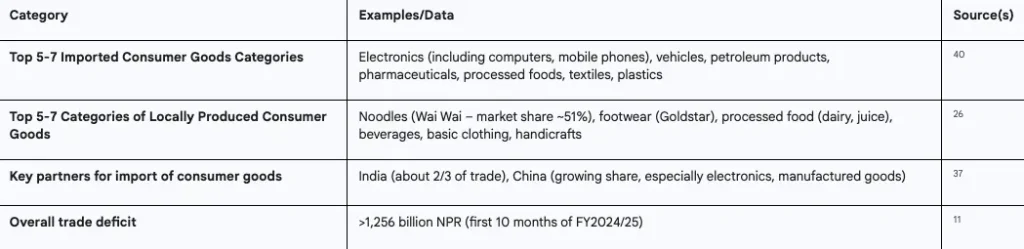
This table clearly illustrates the extent of import dependence, showing what Nepal buys versus what it produces in the consumer goods sector. It also highlights the major supplier countries for these goods, giving a clear picture of the competitive environment facing domestic producers.
Why “Made in Nepal” Matters: Benefits of Strengthening Domestic Supply Chains
Strengthening domestic supply chains has many benefits for Nepal that go beyond simply reducing imports. These benefits span economic, social, and strategic areas, contributing to a more sustainable and self-reliant country.
Economic benefits are obvious and multifaceted. Firstly, the development of domestic production of consumer goods directly creates jobs for people with varying skill levels, from factory workers to management personnel and research and development specialists.1This is especially important for a country with high youth unemployment.45and significant labor migration.48Secondly, the substitution of imports with locally produced goods will lead to reducing the huge trade deficit 11, improving the balance of payments and strengthening the Nepalese rupee. Third, a more dynamic manufacturing sector will increase its contribution to the country’s GDP (which is currently low1), contributing to overall economic growth. Finally, domestic production provides greater added value domestically compared to simply importing finished goods or exporting raw materials. This retained value circulates throughout the economy, creating multiplier effects.

Strengthening domestic supply chains also increases resilience to external shocks Over-reliance on imports makes Nepal vulnerable to disruptions in global supply chains (as seen during pandemics or geopolitical tensions), price volatility in international markets, and policy changes in exporting countries.1Strong domestic supply chains act as a buffer against such risks, especially for essential consumer goods such as processed foods, where local production strengthens food security and reduces dependence on imports to meet basic needs.51Thus, developing domestic production of essential goods becomes not just an economic strategy, but a national security imperative that reduces the country’s vulnerability to regional or global crises such as blockades, pandemics, or wars that affect supply lines.
The development of local production contributes to improving local skills and industries. Production activities stimulate the development of a wide range of technical, managerial and entrepreneurial skills among the local population.1Growth in one manufacturing sector can stimulate growth in related industries (e.g. packaging, logistics, raw materials), creating a more complex and resilient industrial ecosystem. Local manufacturing can also contribute internal innovations in product design, manufacturing processes and adaptation to local needs and preferences.53This process has a positive feedback loop with human capital: as local industries grow, demand for skilled labor is created.1, which can stimulate the improvement of education and training systems.54This, in turn, could help mitigate the brain drain.4, providing attractive opportunities for career advancement within the country.
Appears and potential for export growth. Diversification of exports by moving away from traditional export goods or goods with a high share of imported components41to a wider range of industrial consumer goods could create new sources of export revenue. Proximity to large markets such as India and potentially Bangladesh60, opens up opportunities for the export of niche or price-competitive Nepalese consumer goods. Successfully positioning the “Made in Nepal” brand as a mark of quality or uniqueness could open up international markets, similar to what some local brands (e.g. Goldstar shoes) have already done27).
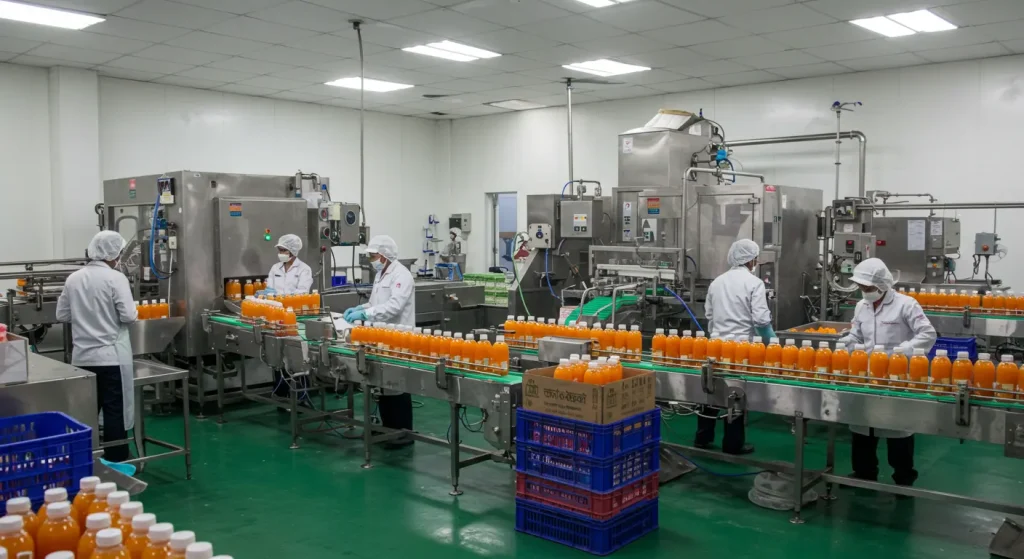
Finally, strengthening domestic production contributes to improving the standard of living of the population in the long run, efficient domestic production can lead to more affordable consumer goods for the Nepalese population. Job creation and economic growth contribute to higher household incomes and improved living standards.
Obstacles on the way: Difficulties on the way to self-sufficiency
Despite the obvious advantages, the path of Nepalese producers to strengthen domestic supply chains and reduce import dependence is strewn with numerous obstacles. These challenges are systemic and cover infrastructure, human capital, financial and investment climate, regulatory framework, land issues, dependence on raw materials, technological gaps, and market competition.
A. Infrastructure deficiencies
- Energy:
Despite Nepal’s enormous hydropower potential, estimated at 83,000 MW theoretically and 42,000–43,000 MW economically/technically feasible64, the country’s industries have historically faced problems with high costs and unreliability of power supply. Power outages, including rolling blackouts, have significantly increased production costs and disrupted manufacturing processes.67 Although the situation with rolling blackouts has improved for residential consumers, industrial units still report power outages.67 The slow pace of hydropower development limits its potential to provide cheap and reliable energy for industrial growth.1 The government’s new time-of-day pricing system for industrial consumers is a step in the right direction, but its effectiveness in making power truly competitive for manufacturing remains to be seen. - Transport and logistics:
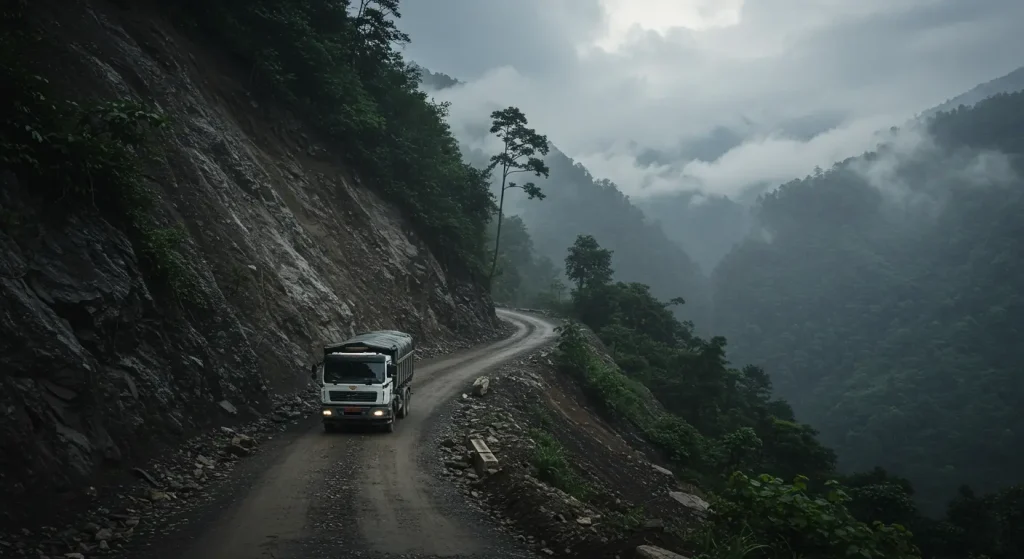
Nepal suffers from limited and poorly maintained road infrastructure, especially in hilly and mountainous areas.71 As of the 2024/25 fiscal year, out of a total of 36,132 km of roads, only 19,163 km were paved.72 This results in high transport costs, delays, and damage to goods. The key Kathmandu-Pokhara highway is still under reconstruction and has patchy sections.74 Roads to other areas, such as Chitwan, also pose challenges.
Being a landlocked country, Nepal is dependent on Indian ports (Kolkata, Visakhapatnam) for trade with third countries, which results in longer transit times (35-40 days to Europe) and higher costs due to multiple transhipments and dependence on Indian logistics services.71 Limited domestic rail network for freight transport and underdeveloped river transport increase dependence on road transport.71 Logistics costs in Nepal are estimated at more than 25% of the total value of goods, significantly reducing competitiveness.71 Furthermore, inadequate and inadequate warehousing and cold chain facilities, especially for perishable goods, result in post-harvest losses and affect produce quality.
B. Human factor
- Shortage of skilled labor and “brain drain”:
This is a major challenge for various sectors, including manufacturing, information technology, engineering, and healthcare.4 Educated and skilled youth, including IT professionals and engineers, are increasingly migrating abroad due to lack of opportunities, low wages, political instability, and a desire for better education and working conditions.49 In 2024, 856,422 Nepalis migrated abroad for work and 66,835 for permanent residence.48 This “brain drain” deprives Nepal of the skilled workforce needed for industrial upgrading and innovation.49 - The impact of youth migration on the domestic labour market:
There is a general labour shortage, particularly in agriculture89, which potentially spills over into the manufacturing sector as a large proportion of the young, active population seeks opportunities abroad.48 Remittances, while important for the economy, can create dependency and reduce domestic labour force participation.49 - Quality and relevance of education:
The education system in Nepal faces challenges in quality, relevance to market needs, and development of practical skills.49 Curricula are often outdated and overly theoretical.99 This leads to a mismatch between graduates’ skills and industry requirements.100 Government initiatives to reform higher education aim to address these challenges by improving quality assurance, revising curricula, and introducing performance-based funding.56
B. Financial and investment climate
- Access to finance for SMEs:
Small and medium enterprises (SMEs), the backbone of the economy, struggle to access affordable finance, often due to stringent collateral requirements, high interest rates, and a lack of targeted financial products.102 There is a significant financing gap for SMEs.102 Initiatives such as the Udaya Guarantee Fund in Koshi Province and partnerships with the Deposit and Credit Guarantee Fund (DCGF) aim to reduce credit risks for banks and improve SME access to capital.105 - Bureaucratic obstacles and political instability:
Complex bureaucratic procedures, lack of transparency, and corruption discourage investment and increase transaction costs.107 Political instability and frequent policy changes create an uncertain environment for businesses, discouraging long-term investment in supply chains.108 The World Bank notes that at times its significant financial support has exceeded the government’s absorptive capacity due to these problems.110 - Problems with foreign investment:
Despite policies to attract foreign direct investment (FDI), inflows remain low.111 Challenges include regulatory barriers, policy inconsistency, and infrastructure shortages.1 Geopolitical factors, particularly those relating to India and China, also affect investment in strategic sectors such as hydropower.66 India’s policy of prioritizing projects without Chinese participation has affected project allocation.66
G. Policy and Regulatory Environment
Effectiveness of industrial and trade policies such as the “Made in Nepal” campaign111, needs to be strengthened in their implementation and impact. The Federation of Nepal Chambers of Commerce and Industry (FNCCI) calls for more effective implementation of regulations that support domestic products.114The government has introduced business-friendly policies such as eliminating fines for closing companies and simplifying registration116, and the new Startup Support Policy 2024 offers subsidized loans and tax incentives.117However, the scale of support (for example, funding for 165 startups out of 5,158 applications) indicates the need to increase capacity.118There are concerns about new amendments to the Banking and Financial Institutions Act (BAFIA) that could potentially restrict access to finance for entrepreneurs who are also shareholders in banks.114
D. Acquisition and use of land
Land speculation, especially in urban areas such as the Kathmandu Valley, is driving up land prices, making it expensive for industrial development and expansion.119Limits on maximum lot size have historically hindered large-scale projects, although recent amendments aim to ease this for developers.120Zoning laws exist136, but haphazard urbanization and conversion of agricultural lands create problems.137Land fragmentation, particularly in agriculture, impacts productivity and mechanization, which can have implications for the agro-industrial supply chain.143
E. Dependence on raw materials
Many Nepalese manufacturing industries, particularly in sectors such as edible oils, textiles and plastics, rely heavily on imported raw materials.16For example, more than 51% of raw materials for the manufacturing sector (according to the CNI survey for the 2nd quarter of FY81/82) are imported.31This reliance offsets some of the benefits of local production, leaves the supply chain vulnerable, and contributes to trade deficits. The export success of edible oils relies heavily on processing imported crude oil.41
J. Implementation of technologies
The slow adoption of modern technology and automation in industry limits productivity, quality and competitiveness.53Challenges include the high cost of technology, a shortage of skilled personnel to operate and maintain modern equipment, and limited access to funding for technological upgrades.85Although digital technologies (Internet, mobile communications) are spreading53, their application in industrial processes is lagging behind.
Z. Market access and competition
Domestic producers face stiff competition from cheaper or better-promoted imports, especially from India and China. Limited access to international markets is due to quality standards, certification issues, and high logistics costs. The small scale of many SMEs makes it difficult to compete with global giants on price and volume.103
The interconnectedness of these obstacles creates a systemic problem. For example, poor infrastructure (energy, transport)67 increases production costs, making it difficult for SMEs to invest in technology53or skilled labor.4This, in turn, makes them less competitive with imports, increasing import dependence. This vicious circle needs to be broken at several points. Removing one obstacle (e.g. in energy) can have a positive cascade effect on others (e.g. introduction of technologies, increased competitiveness).
The cultural aspect of risk aversion103, perhaps rooted in historical instability and limited social safety nets, may be a deeper, less visible barrier to the aggressive investment and innovation needed to strengthen domestic supply chains. This contrasts with the push for “Made in Nepal.” If entrepreneurs hesitate to take bold steps, the pace of domestic supply chain development will be slow, regardless of other opportunities.
High dependence on imported raw materials31directly limits the “domestic” nature of the supply chain and makes Nepalese producers vulnerable to international price fluctuations and supply disruptions of these inputs. This means that even with local production capacity, fundamental elements of the supply chain remain external. Therefore, a comprehensive strategy should consider developing local sources of raw materials where possible, or at least diversifying import sources and improving procurement strategies.
Table 3: Key challenges for domestic supply chains in Nepal

This table provides a concise and easy-to-understand summary of the multifaceted obstacles. It helps categorize complex issues, making it easier for the reader to understand the breadth and depth of the challenges faced by Nepalese manufacturers.
Glimmers of Hope: Opportunities for Nepalese Producers
Despite the current obstacles, there are also significant opportunities for Nepalese manufacturers to strengthen their domestic supply chains and improve competitiveness. These opportunities lie in the areas of domestic resource utilization, digital transformation, existing support systems, and a growing domestic market.

A. Use of internal resources
- Hydropower potential:
Nepal has a huge hydropower potential, estimated at 83,000 MW theoretically and 42,000–43,000 MW economically viable.64 As of March 2025, the installed capacity was 3,255,806 MW.147 This huge potential could be harnessed to provide domestic industries with cheaper, more reliable, and cleaner power, reducing a major cost element of production.1 Strategically channeling some of this power into feed-in tariff “industrial power parks” could be a game changer by attracting investment (both domestic and foreign) in energy-intensive consumer goods industries and directly addressing a key cost factor.67 Excess power is already being exported to India149 and there is also an agreement in place to supply 40 MW to Bangladesh via India60, generating revenues that could be reinvested in domestic infrastructure. - Agro-industrial complex:
Nepal produces a variety of agricultural commodities, including rice, maize, wheat, millet, oilseeds, potatoes, tea, coffee, cardamom, ginger, fruits and vegetables.61 There is considerable potential for developing agro-processing industries that could add value to these commodities, targeting both domestic and export markets.22 This would reduce post-harvest losses (currently 20-50% for fruits and vegetables79) and create employment in rural areas. Examples of successful or potential developments include dairy, grain processing, packaged tea and coffee, fruit juices and pickles. However, the success of agro-processing as a key opportunity is highly dependent on addressing fundamental agricultural challenges such as land fragmentation143, access to quality inputs (seeds, fertilizers159), irrigation161, post-harvest losses79 and the impacts of climate change.163 Without progress in these areas, the feedstock base for agro-processing will remain weak and unreliable. - Niche markets and unique Nepalese products:
Traditional strengths in handicrafts (pashmina, metalwork, wood carving, hand-made paper) offer export opportunities.27 Nepal’s rich biodiversity provides the basis for the production of natural and Ayurvedic consumer goods, which are in growing demand in domestic and international markets.32 Growing consumer interest in organic products presents an opportunity for Nepalese farmers and processors.171
B. Digital Transformation
- The rise of e-commerce and digital payments:
Rapid adoption of mobile banking (24.65 million users in FY23/24), digital wallets (eSewa with over 8 million users173, Khalti174; total 23.46 million wallet users by mid-July 2024176) and QR code payments (169 million transactions worth NPR 499 billion in FY23/24176) is transforming commerce.13 Nepal’s e-commerce revenue was $888 million in 2024, with growth projected.183 Platforms such as Daraz are active.184 These platforms provide SMEs with direct market access, reduce dependence on traditional distribution channels, and reduce marketing costs.182 Cross-border QR payments with India are already active.13 - Social Commerce and Influencer Marketing:
High levels of social media usage (13.5 million users in January 2024187) create opportunities for social commerce. Influencer marketing and user-generated content are becoming effective tools for promoting brands and reaching younger audiences.187 - Development of financial technologies (Fintech):
The fintech landscape is evolving with payment service providers (PSPs) and payment system operators (PSOs) facilitating digital transactions.191 The Nepal Central Bank (NRB) is promoting digital financial literacy and exploring the introduction of a central bank digital currency (CBDC) and regulatory sandboxes.176 Fintech can improve SME access to finance through digital lending platforms and innovative credit scoring methods.193 Open banking initiatives can further spur innovation.195
The combination of growing digital penetration 13, government support for start-ups 118 and a young, increasingly tech-savvy population 48 creates fertile ground for the emergence and rapid scaling of innovative, digitally-focused Nepali consumer brands that can bypass some of the traditional infrastructural barriers.
B. Support systems and initiatives
- Public policy:
The ‘Made in Nepal’ campaign and similar initiatives aim to promote domestic manufacturing.111 The Startup Support Policy 2024 and the Startup Ventures Loan Procedure 2024 define a startup and offer subsidised loans (Rs 5 lakh to Rs 25 lakh at 3% per annum) and tax incentives.117 The Youth Startup Programme for the financial year 2082/83 (2025/26) targeting Generation Z has been announced.198 Policies to simplify business registration and closure 116, as well as agriculture modernisation projects such as PMAMP 200 and farmer subsidy programmes are being implemented.100 - The role of industry associations:
FNCCI and CNI advocate for policy reforms, support domestic industries and promote Nepali products.31 - Investment by Non-Resident Nepalese (NRN):
The NRN Act and related policies allow non-resident Nepalis to invest in Nepal, including purchasing land for business/residential purposes, and repatriate profits.203 This can be a source of capital and expertise.
G. Growing domestic market and consumer base
- Urbanization and population growth: Kathmandu Valley population is growing rapidly137, and urbanization is a nationwide trend137, which leads to an expansion of the consumer base.
- Growing Demands: Rising awareness and remittances are leading to changes in consumption patterns and increased demand for diverse and quality consumer goods.158
- Demand for local products: There is potential for increased demand for quality, well-branded Nepalese products if they can compete on price and value.208Campaigns like Made in Nepal aim to stimulate this demand.111
Table 4: Opportunities for Strengthening Domestic Supply Chains in Nepal

This table complements the Key Issues table by offering a balanced perspective and highlighting actionable areas where Nepal can strengthen its position.
Paving the Way Forward: Key Strategies for Success
For Nepal to fully exploit the opportunities and overcome the existing barriers to strengthening domestic consumer supply chains, concerted efforts are needed by the government, producers, and consumers. Success depends on a comprehensive approach that includes policy reforms, strategic investments, and changes in business practices.
A. Policy Recommendations for the Government
- Prioritizing infrastructure investments:
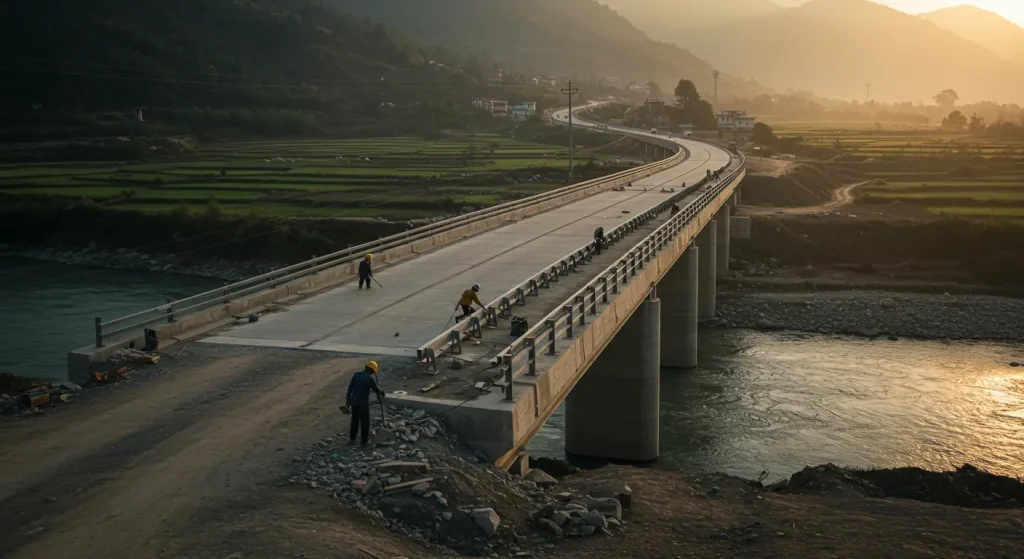
There is a need to accelerate the development of hydropower projects with a clear strategy to provide competitive and reliable energy to domestic industries.1 Significant investments are required to upgrade and expand transport networks (roads, potential rail lines for freight) and improve logistics infrastructure (warehouses, cold chains, inland container depots) to reduce transit costs and times.71 It is important to address urban planning issues, especially in industrial corridors and around major cities such as Kathmandu, to ensure sustainable land use and infrastructure support for industry.209 - Simplifying regulation and improving governance:
Business registration, licensing, and regulatory compliance procedures should be simplified to reduce red tape.107 Ensuring policy consistency and stability will enhance investor confidence.108 Anti-corruption measures should be strengthened and transparency in public procurement and project approvals should be increased. It is important to effectively implement land-use policies that balance industrial needs with agricultural conservation and environmental protection.136 - Strengthening support for SMEs:
Expanding SME access to affordable finance through credit guarantee schemes, venture capital and SME-focused banking products.102 Providing technical assistance, business development services and technology support to SMEs.53 Facilitating SME access to markets through e-commerce platforms and export promotion programmes.13 - Human capital development:
Investing in education reform to align curricula with industry needs, with a focus on vocational training and practical skills.54 Implementing programs to retain skilled workers and encourage the return of skilled diaspora.49 Supporting digital literacy programs to ensure greater participation in the digital economy.13 - Promoting the production of domestic raw materials:
Investing in R&D and supporting domestic production of key agricultural and industrial raw materials to reduce import dependence.41 Encouraging sustainable sourcing and development of local resources.
B. Strategies for Producers
- Innovation and product development:
Focus on developing products tailored to local consumer needs and preferences. Invest in R&D to differentiate products and improve quality. Explore opportunities in niche markets with unique Nepali products (handicrafts, herbal products, organic food).27 - Quality improvement and standardization:
Implementation of international quality standards and certification to improve competitiveness in domestic and export markets. Focus on continuous quality control at all stages of the production process. - Branding and Marketing:
Building strong ‘Made in Nepal’ brands that highlight quality, uniqueness and local origin.158 Using digital marketing, e-commerce and social commerce platforms to reach a wider audience.13 - Implementation of technologies:
Investing in modern manufacturing technologies to increase efficiency, reduce costs and improve quality.53 Using digital tools to manage supply chains, customer relationships and analyze data. - Supply chain collaboration:
Developing stronger relationships with local raw material suppliers and distributors. Exploring opportunities for backward and forward integration where appropriate. Collaborating with other local producers for collective bargaining, resource sharing, and joint marketing efforts. - Workforce Development:
Investing in employee training and development to meet the needs of modern manufacturing.213 Implementing effective talent management and retention strategies.213
B. The role of consumers
- Supporting local brands: Actively choosing “Made in Nepal” products can create demand and support domestic producers.13
- Providing feedback: Consumers can help local brands improve by providing constructive feedback on the quality of their products and services.
- Protection of interests: Consumer advocacy for better quality local products and fair business practices can help drive positive change.
Clearly, isolated solutions are not enough. Strengthening domestic supply chains requires a holistic and coordinated approach involving government, the private sector (manufacturers, financial institutions, technology companies), educational institutions and consumers. Policy changes without capacity building on the ground or efforts by manufacturers without supporting infrastructure will yield limited results. For example, public investment in roads72must be complemented by investments by producers in improving logistics, and consumers must be willing to buy local products delivered along these roads. Similarly, education reforms56must be linked to industry needs so that graduates have the appropriate skills that can be used by manufacturers.
A significant opportunity lies in channeling some of the huge flows of remittances10from consumption and real estate speculation126for productive investment in domestic manufacturing and SMEs. This requires the creation of attractive and safe investment instruments and increased financial literacy among households receiving remittances.1If even a small portion of these funds could be mobilized for investment in local manufacturing SMEs, this could provide a significant capital boost. This directly links major economic inflows to strengthen domestic supply chains.
Conclusion: Building a Self-Reliant and Competitive Nepal

Nepal’s path to strengthening domestic consumer supply chains and reducing import dependence presents significant challenges but also promising opportunities. Obstacles such as infrastructure constraints, shortages of skilled labor, challenging financial and investment climate, weak regulatory framework, reliance on imported raw materials, and slow technology adoption require systemic and targeted solutions. At the same time, abundant domestic resources, especially in hydropower and agriculture, dynamic digital transformation, supportive government initiatives, and a growing domestic market offer opportunities for growth in domestic manufacturing.
Successful import substitution and increasing the competitiveness of Nepalese products in the domestic and foreign markets is a long-term task that requires sustained efforts, strategic planning and close cooperation among all stakeholders: the government, producers and consumers. The government has a key role to play in creating an enabling environment through infrastructure investment, regulatory simplification, support for SMEs and human capital development. Producers, in turn, should focus on innovation, quality improvement, effective branding and adoption of modern technologies. Conscious consumer choice in favour of “Made in Nepal” products will also make a significant contribution to this process.
Ultimately, strengthening domestic supply chains and reducing import dependence requires a paradigm shift from a consumption-driven economy fueled by remittances and imports to a production-driven economy. This involves changing mindsets, prioritising long-term industrial development over short-term consumption gains, and fostering national pride in domestic manufacturing and innovation. Only such a holistic approach will enable Nepal to build a more resilient, self-sufficient and competitive economy, where the ‘Made in Nepal’ brand becomes synonymous with quality, innovation and value, contributing to the prosperity of the country and its citizens.
[elementor-template id=”1573″]
Source used
- Unlocking Nepal’s Growth Potential : Nepal Country Economic Memorandum 2025
- О ВНУТРИПОЛИТИЧЕСКОЙ ОБСТАНОВКЕ В НЕПАЛЕ – Министерство иностранных дел Российской Федерации
- Economy of Nepal – Wikipedia
- Nepal: World Bank Report Outlines Key Reforms to Boost Growth, Create Jobs
- Nepal’s Economy Expected to Remain Resilient in Face of Economic Shocks, says World Bank
- Publication: Nepal Development Update, April 2024: Nepal’s Economy on a Recovery Path but Private Investment Remains Low
- Migration, remittances inflow key factor behind poverty reduction in Nepal: World Bank
- Publication: Nepal Development Update, April 2025: Leveraging Resilience and Implementing Reforms for Boosting Economic Growth – Open Knowledge Repository
- Harnessing Remittances for Long-Term Growth – myRepublica
- Rs. 1,191 billion remittance received in nine months – The Rising Nepal
- Current Macroeconomic and Financial Situation – English (Based on Nine Months Data of 2024/25) – Nepal Rastra Bank
- Nepal Remittances, percent of GDP – data, chart | TheGlobalEconomy.com
- Embracing digital payments – The Kathmandu Post
- Nepal’s foreign trade rises by 18.37%, trade deficit exceeds Rs 1256 billion – myRepublica
- Nepal import trade data from global bills of lading – Volza.com
- Nepal Imports By Category – Trading Economics
- World Economic Outlook (April 2025) – GDP per capita, current prices
- Nepal Inflation Rate – Trading Economics
- Nepal Balance of Trade – Trading Economics
- Nepal GDP From Manufacturing – Trading Economics
- Economic growth for current FY estimated at 4.61% – The Rising Nepal
- Food And Beverage Manufacturing In Nepal | CompanyNP
- Jain Foods Processing Pvt. Ltd.
- www.gefont.org
- MANUFACTURING – Investment Board Nepal
- Top 10 Companies in Nepal: Growth, Analysis, and Economic Insights – Spocket
- Goldstar shoes – Wikipedia
- Why Goldstar Shoes? | PDF | Brand | Marketing – Scribd
- Handicraft Items Exports from Nepal – Volza.com
- Handicraft exports to Europe decrease by 20 percent – myRepublica
- INDUSTRY STATUS REPORT – Bizmandu
- Leading FMCG Industry In Nepal – Growth And Challenges – Century Spices & Snacks
- Market demand for Nepali noodles spikes – The Kathmandu Post
- Wai Wai – Nepal’s own global brand
- FMCG products distributers, dealers and suppliers in Nepal
- Nepal’s Imports from China Cross Rs. 160 Billion, Readymade Garments Lead the List
- Nepal’s foreign trade up 18.37 pct in 10 months – Xinhua
- Nepal’s Foreign Trade Soars in FY 2081/82: Exports to India Surge by 82.5%, Trade Deficit Widens | NEPSE Trading
- Nepal’s Trade with its Giant Neighbours – NUS Institute of South Asian Studies (ISAS)
- Current Macroeconomic and Financial Situation – English (Based on Five Months Data of 2024/25) – Nepal Rastra Bank
- Nepal’s Foreign Trade Shows Signs of Recovery, but Structural Challenges Persist
- Made in Nepal? Not Quite. The Truth Behind 73% Export Surge – Khatapana
- DS Group Launches Popular Confectionery Brands in Nepal, Expands Global Footprint
- universalinstitutions.com
- Youth Unemployment Rate for Nepal (SLUEM1524ZSNPL) | FRED | St. Louis Fed
- Nepal – Unemployment, Youth Total (% Of Total Labor Force Ages 15-24) – 2025 Data 2026 Forecast 1991-2024 Historical
- Nepal Youth Unemployment Rate 1991-2025 – Macrotrends
- 66000 Nepalis seek permanent residence abroad in 2024; 850000 seek employment
- Tackling the Brain Drain Trend in Nepal: Causes, Impact, and Solutions
- (PDF) Analysis of Determinants of Youth Migration Intentions in Nepal – ResearchGate
- Food Insecurity, Food Grain Imports, and Agricultural – Nepal Journals Online
- Nepal – Food, Agriculture, Biodiversity, Land-Use, and Energy (FABLE) Consortium
- Why Nepal Struggles to Adopt Better Technology, And Alternative Routes to Development
- (PDF) Quality Culture in Higher Education Institutions in Nepal: Experiences and Perceptions of Students, Teaching and Non-Teaching Staff – ResearchGate
- Issues with Higher Education Sector in Nepal | NIPoRe
- Nepal Higher Education Reforms Projects | EAA Observatory
- Unraveling the Brain Drain Dilemma: Analysis among Skilled Information Technology Professionals of Nepal – Apex College
- The Great Nepali Brain Drain – The HRM Nepal
- In-Depth Analysis of the Economic Situation & Business Opportunities in Nepal. Forecast 2025-2030
- Breaking New Ground: Nepal and Bangladesh commence CBET via India’s grid
- sectoral profile – agriculture – Investment Board Nepal
- Bangladesh to receive 40MW electricity from Nepal for 5 months | The Business Standard
- Nepal’s energy sector rocked by ‘take-and-pay’ budget policy – The Kathmandu Post
- Hydropower Development in Nepal: Status, opportunities and challenges – ResearchGate
- Policy Analysis for Sustainable Hydropower Development in Nepal Keywords Sustainable Development Hydropower Policy Nepal Energy Sector Environmental Governance Renewable Energy Policy Analysis Water Resource Management Socio-economic Impact Infrastructure Planning Energy Security – ResearchGate
- Geopolitics of Energy Transition in South Asia: Nepal’s Hydropower Ambitions Amid Regional Rivalries
- Load shedding cuts industrial production by over 50 percent – myRepublica
- Cost of electricity exports – The Kathmandu Post
- Private sector has mixed reactions to 2025–26 budget – The Kathmandu Post
- Nepal Introduces Time-Based Electricity Tariffs, Allocates NPR 86.01 Billion for Energy Sector
- Nepal’s export potential—held back by poor logistics and infrastructure
- Nepal’s Road and Water Infrastructure See Significant Progress in 2081/82
- Nepal Roads: Geographical challenges and engineering solutions
- Live Kathmandu To Pokhara Road Condition Update: Traffic & Weather – Motar Nepal
- Kathmandu To Upper Mustang Distance | Estimated Time For 2025 | Life Himalaya Trekking
- Kathmandu to Chitwan by Road: Complete Travel Guide, Road Conditions, Delays & Tips
- Transportation & Highway Updates – Royal Mountain Travel || For Tours & Treks in Nepal, Tibet & Bhutan
- Nepal: Transit challenges and the way forward – Maritime Gateway
- Postharvest horticulture in Nepal – MedCrave online
- Status of postharvest handling of fresh produces in Nepal and interventions to minimize the losses | International Society for Horticultural Science
- Breaking The Cycle Of Brain Drain – The Rising Nepal
- Contributing and mitigating factors of brain drain among healthcare workers from cardiac care facilities in Nepal – PLOS
- Severe Shortage of Nurses in Nepal: Poor Facilities and Migration Abroad are the Main Reasons
- Human capital first – The Kathmandu Post
- Software Development in Nepal: Innovating for the Digital Future – Curves and Colors
- Migration misunderstood: Nepal’s self-inflicted crisis | The Annapurna Express
- Top IT Skills Demand in Nepal in 2025 – Mindrisers
- Nepalese emigration: Challenges and a path forward – Peoples’ Review
- EMIGRATION AND FEMINIZATION IN NEPALESE AGRICULTURE: IMPLICATIONS FOR FOOD SECURITY – CABI Digital Library
- The effects of male out-migration on household food security in rural Nepal – IDEAS/RePEc
- Labor-Saving Farm Technology in Nepal – GOV.UK
- Labor-Saving Farm Technology in Nepal – Policy Brief 9 [A4]
- Analysis of Determinants of Youth Migration Intentions in Nepal
- View of Impact of Youth Migration on the Agricultural Sector in Nepal
- Cause and Consequences of Youth and Adult Migration – Nepal Journals Online
- A REVIEW OF IMPACT OF REMITTANCE ON NEPALESE ECONOMY – Journal Of Third World Economics (JTWE) – Index Copernicus
- REMITTANCE IN NEPAL: STATUS, TREND AND ECONOMIC IMPACTS
- Nepali students spend billions abroad: What’s driving the education exodus? – myRepublica
- Top Benefits of Studying Abroad For Nepali Students – Best Consultancy in Nepal
- A Comprehensive Look at Nepal Government’s 2025-26 Policies and Programs
- Rethinking school education reform – The Kathmandu Post
- Promoting Sustainable Financial Services through Cashless Transactions: An Empirical Analysis of Small and Medium Enterprises (SMEs) in Nepal
- Challenges of Operating a Business in Nepal – BizSewa
- Small and Medium-Sized Enterprises in Nepal: Examining Constraints on Exporting
- Catalyzing Change: How Public Credit Guarantees Can Unlock Finance for Nepal’s Tech SMEs – One to Watch
- Koshi Province launches funds to support SMEs, boost economic growth – Business 360°
- Почему одни страны богатые, а другие бедные – Википедия
- Гражданская война в Непале – Википедия
- Nepal’s political and economic uncertainty – GIS Reports
- The World Bank Group in Nepal, 2014–23
- FNCCI presents suggestions for policies and programmes for fiscal year 2025/26
- FNCCI submits recommendations to govt for upcoming policy and programs – Nepal News
- Geopolitics of energy in Nepal: Balancing India, China, and the US – Global Voices
- FNCCI Warns Nepal BAFIA Changes Threaten Economic Stability – ICT Frame
- FNCCI urges its members to prioritize Nepali products – myRepublica
- Nepal Introduces New Business-Friendly Policies: No More Fines for Company Closure
- kathmandupost.com
- Launching a Startup in Nepal: New Opportunities, Real Challenges, and What’s Next
- Nepal’s Real Estate Market in 2025: Key Trends and Future Predictions – House Land
- Government moves to ease land ceiling restrictions for real estate firms
- Land for Sale in Budhanilkantha, Kathmandu | 3200000 Per Aana – Basobaas
- LAND FOR SALE | Nepal Real Estate Solution-Real Estate In Nepal- Buy,Rent, Sell Property(ghar Jagga) In Nepal
- House sale in kathmandu Maharajgunj – fyafullaa real estate
- Land price rise in Lalitpur and Bhaktapur amid national stagnation – myRepublica
- Land for Sale at Tarkhagal, Dadhikot, Bhaktapur – Real Estate | Property in Nepal
- Nepal’s growth model is broken by design
- Understanding Land Investment in Nepal: Risks, Returns & Regulations – Project Estates
- Impacts of Exorbitant Land Price in Urban Form – A Case of Kageshwori Manohara Municipality – IOE Graduate Conference
- Best Property for Investment in Kathmandu | NEPPIN – Your Trusted Real Estate Partner in Nepal
- Is it impossible for a middle class guy to afford a house in Kathmandu? : r/Nepal – Reddit
- Real estate at a crossroads – The Annapurna Express
- URBAN LAND DEVELOPMENT IN NEPAL: A CASE FOR A MANAGEMENT APPROACH – UCL
- Real Estate Website of Nepal – Land, House, Apartments on sale or rent – 1Ropani
- Real Estate Website of Nepal – Land, House, Apartments on sale or rent – 1Ropani
- Zoning Laws in Nepal – Prime Law Associates
- Zoning Laws in Nepal – Axion Partners
- Managing Nepal’s Urban Transition – World Bank
- Rapid Urban Growth in the Kathmandu Valley, Nepal: Monitoring Land Use Land Cover Dynamics of a Himalayan City with Landsat Imageries – CHANS-Net: The International Network of Research on Coupled Human and Natural Systems
- Kathmandu Valley Environment Outlook – HimalDoc
- Controversy brews over proposed dam on Kathmandu’s Bagmati River – Mongabay
- Rapid urbanisation and climate change key drivers of dramatic flood impacts in Nepal
- Urbanization in Nepal: Building inclusive & sustainable cities – UN-Habitat
- (PDF) Land Fragmentation in Nepal: An Overview – ResearchGate
- Fragmentation and conversion of agriculture land in Nepal and Land Use Policy 2012 – Munich Personal RePEc Archive
- Developing & Adopting Technology – The HRM Nepal
- Developing Nepal’s Hydroelectric Resources: Policy Alternatives – Stimson Center
- Hydro Potential and Present Status of Hydropower Development in Nepal: A Review
- List of power stations in Nepal – Wikipedia
- China’s hydropower lights up Nepal’s devt path – Global Times
- Long-term Power Purchase Agreement: A Win-win Deal for Nepal and India – ISAS-NUS
- India’s foreign minister signs a deal to increase imports of electricity from Nepal | AP News
- Bangladesh to receive 40MW of electricity from Nepal for 5 months – Dhaka Tribune
- Govt approves price for 40MW power import from Nepal | The Daily Star
- 40 MW export to Bangladesh: Nepal’s leap in power trade
- Crops Nepal – Variety of crops grown in Nepal – Agriculture in Nepal
- A Systematic Review of Major Entomological Work on Tea, Coffee and Cardamom Crops in Nepal – Longdom Publishing SL
- High-value mountain products promote sustainable livelihoods – ICIMOD
- Doing Business in Nepal in 2025 [Expert Guide] – Remote People
- Farmers’ access to quality and diverse seed in Nepal – CGSpace
- Positioning Nepal as a future seed production hub in South Asia – CIMMYT
- Nepal – IWMI
- Nepal: Irrigation and Water Resource Management – World Bank
- www.ifc.org
- Nepal – Country Climate and Development Report
- Monsoon 2024: A Report – IMD – India Meteorological Department
- South Asian flooding highlights risks of an increasingly intense and erratic monsoon – WTW
- Managing seeds and agricultural losses in the wake of extreme climate events: Lessons from Nepal – CGIAR
- Managing seeds and agricultural losses in the wake of extreme climate events: Lessons from Nepal – CIMMYT
- Bhaskar Herba – No. 1 Herbaceuticals
- Investments pour into ayurvedic industry – The Kathmandu Post
- Organic Market Kathmandu | Organic Restaurant Kathmandu – Himal Farm
- Khetibazaar – Healthy Organic Products In Nepal
- 16 Years of Innovation: eSewa celebrates 16th Anniversary
- SWOT Analysis of Khalti: A Deep Dive Into Fintech Giant – IIDE
- How NRB’s New Directive Impacts Khalti, Mobile Banking, and Digital Nepal – Khatapana
- FY 2023/24 – Nepal Rastra Bank
- Nepal sees significant growth in digital payments – SAMENA Daily News
- Digital payments surge as Nepalis shift away from ATMs and cheques
- Fintech Revolution in Nepal: Advancing Toward Inclusive Finance
- Nepal witnesses surge in digital payment systems amid increased mobile and internet penetration – myRepublica
- SWOT Analysis of eSewa: What to Know in 2025
- Nepal’s Cashless Future: The Rise of Digital Payment Systems – Sunway College
- eCommerce Industry in Nepal 2017-2029 – ECDB
- Daraz launches Seller Sahayatri Program with Rs 5.5 million subsidies to support local SMEs – myRepublica
- Daraz connects local communities and small businesses during 11.11 Biggest Sale of the Year to enable e-commerce for everyone
- Financial Literacy and Digital Payment System in Nepal – ResearchGate
- Social Media Marketing in Nepal: Trends & Opportunities
- The Impact of Digital Marketing Strategies on Consumer Behavior in Nepal – ResearchGate
- Gen Z and Millennials lead in social commerce trends | Bazaarvoice
- The Influence of Social Media on Nepal’s Tourism Industry – Theseus
- Can Nepal Continue Building Fintech Foundations to Support Economic Development and Growth?
- Digital Financial Services in Nepal – International Finance Corporation
- SME Finance Virtual Marketplace – Digital Lenders for Small Entrepreneurs
- Mambu for Lenders
- Open Banking: A decade of transformation ahead – FinTech Strategy
- Foreign Bank Branch Licensing Policy, 2022
- Policy Provision for Opening Branch Office by Foreign Bank or Financial Institutions in Nepal, 2010
- Nepal Gen Z Startup Program: Government Initiative for Youth Entrepreneurship – ICT Frame
- Start a Business in Nepal: 5 Proven Steps to Success – Venture Overseas
- About Us | PMAMP Nepal
- Highlights from Nepal Gov’s policies and programmes for 2025/26 – NepalConnect
- Manufacturing Industry Shines in 2024: CNI Research Reveals Surprising Results
- NRN Law in Nepal 2082 (Non-Resident Nepali Law) – Lawneeti Associates
- Non-Resident Nepali (NRN) Laws in Nepal: Key Highlights – Bhandari Law and Partners
- NRN ID | Embassy of Nepal, London
- Kathmandu, Nepal Metro Area Population 1950-2025 – Macrotrends
- Kathmandu, Nepal Population (2025)
- Nepal: Supporting Local Businesses to Thrive – World Bank
- Nepal faces the multi-dimensional challenges of rapid urbanization
- Contributing and mitigating factors of brain drain among healthcare workers from cardiac care facilities in Nepal – A qualitative case study – PubMed Central
- The role of agriculture in Nepal’s economic development: Challenges, opportunities, and pathways for modernization – PubMed
- Empowering Agricultural Cooperatives and Small Farmers in Nepal – NACCFL
- How to Improve Employee Retention in Nepali Companies 2025 – NecoJobs
- Retention Strategies for IT Employees In-Demand (Ensuring Success in Nepal’s IT Industry)
- Essential HR Policies for Nepal Businesses to Thrive – Frontline Consult
- Succession Planning in Nepal | TCN
- Ethical Business Practices and Employee Retention in Nepal: Investigating the Mediating Role of Employee Loyalty – ResearchGate
- Talent Management Practices and Employee Performance – SciSpace
- Enhanced learning and development opportunities have been a cornerstone of F1Soft’s people management practices – The HRM Nepal
- About Us – F1Soft Group
- How economic inequality is driving youths abroad – The Annapurna Express
- Optimizing Remittance Utilization – Pathways to Boost Productive Sector Investments in Nepal | NIPoRe
- The Role of Remittances in Household Spending in Rural Nepal – MDPI
- Harnessing Remittances for Productive Use in Nepal
- Remittances and Domestic Investment in Nepal: A Shift in Financial Priorities During a Crisis