Strategic Alliances as a Catalyst for Nepalese Business Growth
An overview of the current economic situation in Nepal and the role of business development.
Nepal’s economy is in a developing stage, with significant dependence on agriculture and remittances from migrant workers.1The agricultural sector provides employment for approximately 65% of the population and generates approximately 24-31% of the country’s gross domestic product (GDP).2Despite this, labour productivity in agriculture remains low.4
Nepal’s GDP growth forecasts for fiscal year 2025 (FY2025) vary, with the International Monetary Fund (IMF) expecting growth in the range of 4.0-5.2%6, The World Bank predicts 4.5%8, Asian Development Bank (ADB) – 4.4%10, and the Nepal National Statistical Office (NSO) – 4.61%.12The main drivers of this growth are the services sector, hydropower development and agricultural production.8
Despite some progress, Nepal faces a number of structural challenges, including low productivity, declining exports, a stagnant industrial sector, and limited domestic employment opportunities. This has led to a significant outflow of workers abroad, known as the “brain drain.”4Every year, more than half a million Nepalese go to other countries to work.16

Remittances from migrants account for a significant share of GDP (more than 25% in 2023)5; 25.89% of GDP in FY2024/253). These funds help reduce poverty, but their large inflow can cause symptoms of the so-called “Dutch disease”, which is expressed in the strengthening of the national currency and a decrease in the competitiveness of other export sectors.17Political instability and corruption also remain serious obstacles to economic development.10
Nepal’s High Dependence on Remittances1and the accompanying “brain drain”15create a difficult economic situation: the country receives significant foreign exchange earnings, but lacks qualified personnel to effectively use them in developing the manufacturing sector. Remittances, although they support the balance of payments and reduce poverty, do not solve the fundamental problems of low productivity and a shortage of quality jobs.5The “brain drain” exacerbates this problem by depriving the country of needed human capital.23In this context, strategic alliances, especially with international partners, could be a key mechanism not only for attracting foreign direct investment, but also for transferring much-needed technology, management expertise, and creating more attractive and better-paying jobs. This, in turn, could help retain talent in the country and reduce reliance on remittances, setting the economy on a more sustainable and self-sufficient path.
The Importance of Alliances for Growth, Exports and Influence in the Nepalese Context.
In Nepal’s resource-constrained and challenging economic environment, strategic alliances are particularly important. They can help Nepalese companies overcome typical limitations related to their size, limited access to finance, modern technology, and developed markets. For companies seeking to enter export markets, alliances with international partners provide access to valuable knowledge about the specifics of foreign markets, established distribution channels, and help ensure compliance with international quality and certification standards. In addition, joining forces through alliances can significantly strengthen the position of Nepalese companies in interactions with government agencies, allowing them to more effectively defend common interests. Thus, alliances for Nepalese businesses are not just a tactical option, but a strategic necessity for ensuring sustainable growth, increasing competitiveness, and successfully integrating into the regional and global economy.
The Power of Joint Advantages: Why Alliances Work.
The universal appeal of strategic alliances lies in the synergies that arise when several companies combine their efforts. Key benefits include:
- Combining competencies and resources: Partners can share unique knowledge, technology, financial and human resources, creating a more powerful combined potential.
- Sharing risks and costs: Particularly relevant for capital-intensive projects or entering new, uncertain markets.
- Access to new markets and customer bases: Alliances allow companies to enter new geographic or segment markets more quickly and at lower cost.
- Accelerating innovation and product development: Joint research and development (R&D) can lead to the creation of innovative products and services.
- Improving competitiveness: Combining strengths allows the alliance to compete more successfully with major players.
These benefits are particularly important for companies in developing economies such as Nepal, where access to resources and technology may be limited. Low adoption of modern technology in Nepalese agriculture25and general barriers to technological adaptation in the economy as a whole29point to the enormous potential of alliances focused on technology transfer and joint R&D. This is especially true for the agricultural sector, which is key to the country’s economy.1Alliances with companies with advanced agro-technologies (e.g. local innovators like GeoKrishi31or international technology leaders) can accelerate modernization. This will lead to increased productivity25, which is critical to reducing food imports32and increasing Nepal’s export potential.34Thus, technological alliances in the agricultural sector are not just an improvement of individual farms, but a strategic step towards increasing food security and strengthening the country’s macroeconomic stability.
Navigating the Nepalese Business Landscape: Cultural Aspects of Successful Partnerships

Understanding Nepalese Business Etiquette: Hierarchy, Personal Relationships, Communication.
Successful business in Nepal is inextricably linked to a deep understanding and respect for local cultural sensibilities. Business etiquette here is steeped in traditions that emphasize respect, personal relationships, and community.37Ignoring these nuances can seriously hamper the building of trusting relationships and, as a result, the creation of effective strategic alliances.
Communication in the Nepalese business environment is generally indirect and polite, especially when dealing with those in a higher position or older than them. Direct confrontation or overly assertive communication styles are generally avoided, as the priority is to maintain harmony and “save face” for all parties.37Great importance is attached to non-verbal signals: facial expressions, tone of voice and body language can convey more information than spoken words. Silence, for example, does not always mean agreement, but may indicate hidden disagreement or discomfort.37
Hierarchical structures play a fundamental role in Nepalese society and the workplace. Respect for power, authority, age, position and experience are deeply ingrained cultural norms.37Decisions are often made at the highest levels of management and trickle down the hierarchy.37When interacting with Nepalese counterparts, it is extremely important to show respect to elders and superiors.
Building strong personal relationships often precedes discussions of specific business issues and is the basis for long-term and successful cooperation.37Initial meetings may be devoted to getting to know each other, discussing common topics, and creating an atmosphere of mutual trust. Nepalese culture values hospitality highly; offering tea or soft drinks to guests is standard practice and a sign of respect that is not usually refused.37
Deeply rooted hierarchical structure and the importance of personal connections such as the Afno Manche37, mean that Nepalese companies need more than just a formal agreement that meets business criteria to successfully form an alliance. They also need to secure informal “endorsement” or support from influential figures in the potential partner’s network. Since decisions are often made at the highest levels37and under the significant influence of personal connections39, simply meeting business requirements may not be enough if there is no support from “their people” or if the established hierarchy is violated. Therefore, when searching for an alliance partner, it is important to identify not only the formal decision makers but also the key influencers around them. This involves developing a multi-level relationship-building strategy that, although it may make the process more complex and time-consuming, greatly increases the chances of success and the formation of a lasting partnership. Foreign companies entering the Nepalese market or seeking alliance partners need to be patient, culturally sensitive, and willing to adapt to local customs.
Afno Manche and Kripabad Concepts: Ethical Use of Networks.
Informal networks of relationships known as Afno Manche (literally, “one’s people”) play a significant role in Nepalese society and business. This concept describes a circle of trusted people, including relatives, friends, fellow countrymen, and other close acquaintances, who are approached for help, assistance in solving various problems, obtaining services or resources.39A person’s power and influence in Nepal is often measured by the quality and extent of his or her Afno Manche network; the lack of such connections can lead to marginalization and difficulty in achieving life and business goals.39
Afno Manche is closely associated with practices of favoritism such as natabad (priority to relatives) and kripabad (favor for those already involved in mutual or close relationships).39While such informal networks exist in many cultures, in Nepal their impact on formal institutions and access to opportunities is particularly pronounced. This can lead to ethical dilemmas, foster corruption, and create an uneven playing field for those outside the privileged circles.39
For Nepalese companies seeking to establish strategic alliances, understanding the Afno Manche concept is critical. On the one hand, existing trust networks can facilitate the search for potential partners and speed up the initial contact process. On the other hand, relying solely on these connections to select a partner, ignoring their actual competencies, resources, and reputation, poses serious risks to the success of the alliance. It is important to find a balance: use existing networks for information and advice, but also conduct thorough due diligence and base the final decision on objective criteria of mutual benefit, professionalism, and alignment of strategic goals. Ethical use of networks requires transparency and avoidance of practices that undermine fair competition and meritocracy.
Building trust and “saving face” in negotiations and conflict resolution.
Trust is the cornerstone of successful business relationships in Nepal.40People here rely heavily on trust relationships when making decisions, and this is especially true when forming strategic alliances.40The process of building trust can be lengthy and requires consistency, reliability, and a demonstrated genuine interest in the partner’s well-being.37
Negotiations in Nepal are often slow-paced and may involve several meetings before the parties move on to discussing the specific details of a deal.37Attempts to rush the process or put pressure on partners can be perceived negatively and damage the budding relationship. Proposals and counter-proposals can be made indirectly, and it is important to be able to read subtle hints and non-verbal signals.37
A key cultural concept that influences negotiation and conflict resolution is “saving face.” This means avoiding public embarrassment, criticism, or situations that might put one party in an awkward position.37As a result, partners may avoid directly expressing disagreement or dissatisfaction. Therefore, companies should create safe and discrete feedback channels that allow them to discuss sensitive issues without the risk of “losing face.”41
Existing formal conflict resolution systems in Nepal are often characterized as complex, expensive, elitist and subject to external influence, making them ineffective for most companies.42Informal dispute resolution mechanisms can also be skewed in favour of more powerful parties.42
The concept of “saving face”37combined with an indirect communication style37creates the potential risk of hidden disagreements within the alliance. If partners do not feel comfortable expressing their concerns or disagreements directly, minor issues may remain unresolved and over time grow into major ones, undermining the alliance from within. Standard Western approaches to conflict management, which involve directly and openly discussing problems, may be counterproductive in the Nepalese context. Therefore, it is essential for the alliance to successfully function to implement proactive, culturally sensitive mechanisms for identifying and resolving problems at an early stage. This may include regular but informal “pulse checks” of the relationship, perhaps involving trusted intermediaries who can help identify hidden grievances and facilitate resolution of problems before they escalate. This approach requires a more subtle and careful management of the relationship than is required in cultures with a predominantly direct communication style.
Moreover, the ineffectiveness of formal conflict resolution systems in Nepal42stresses the absolute need to develop clear, consistent and culturally appropriate dispute resolution mechanismsinsidealliance agreement itself. These mechanisms should be based on mutual trust and, possibly, on the authority of informal mediators, and should be seen as the primary tool for resolving disagreements before the parties resort to external legal procedures. Including such provisions in the structure of the alliance significantly increases its resilience to internal friction and promotes long-term cooperation.
Search and check reliable partners in Nepal

Criteria for selecting partners: not only financial indicators.
When selecting a partner for a strategic alliance in Nepal, it is important to go beyond the traditional analysis of financial indicators. Cultural characteristics and the specifics of the local market require a more comprehensive approach. The experience of leading Nepalese companies, such as Bhatbhateni Supermarket, shows that the key factors for success and customer loyalty are an effective understanding of their needs and high quality management.44The study found that 70% of respondents felt that Bhatbhateni understood their needs and 45.8% rated quality management as good.44These aspects demonstrate the company’s customer focus and operational maturity, making it a potentially reliable partner.
The responsiveness of the staff is also an important indicator. In the case of Bhatbhateni, 41.7% of customers rated this aspect positively.44High willingness of customers to recommend the company (61.7% for Bhatbhateni44) also speaks of a positive experience of interaction and the potential reliability of the partner.
In addition, other factors that influence customer satisfaction (CSAT) should be considered when evaluating potential partners in Nepal. These include the quality of the products or services offered, pricing policy (the Nepalese market is price sensitive), cultural sensitivity in doing business, quality of after-sales service, overall brand reputation in the market, availability of products and services (physical and online), clarity and timeliness of communication (preferably in Nepali), ability to personalize offerings, level of technology integration, and the growing importance of environmental responsibility and use of local resources.41
Companies that perform well on these non-financial measures are more likely to be reliable and adaptive alliance partners. High Importance of “Understanding Customer Needs”44and “cultural sensitivity”41as CSAT factors suggests that companies that are successful in these areas will be able to understand and accommodate the needs of their allies. If a company is effective in meeting the needs of its end customers, this demonstrates its market orientation and flexibility – qualities that are also needed in B2B alliance relationships. A partner that values cultural sensitivity in working with customers is likely to be equally sensitive to the cultural characteristics of the ally, which is especially important in Nepal, where relationships play a key role.
Due diligence: assessment of reputation, operational capabilities and alignment of values.

The due diligence process of a potential partner is an integral part of forming a successful alliance. It should include:
- Reputation check: Collecting information through industry associations, feedback from existing partners and clients, analysis of publications in the media and social networks.
- Financial and legal analysis: Review of financial statements for the last few years, credit history check, analysis of the legal status of the company, absence of litigation and tax debts.
- Evaluation of operational capabilities: Analysis of production capacities, technological equipment, quality management systems, logistics capabilities and personnel qualifications.
- Assessment of the coincidence of values and culture: Meeting with the potential partner’s management and key employees to discuss corporate values, ethical standards, business approaches, and long-term vision. Compatibility at this level is critical to avoiding future conflicts.
Thorough due diligence helps to minimise the risks associated with choosing an unreliable, financially unstable or culturally incompatible partner, which lays a solid foundation for future cooperation.
Using word of mouth (WOMM) and local networks to find and evaluate partners.
In Nepal, where the culture is highly focused on community and personal connections, Word-of-Mouth Marketing (WOMM) is an extremely effective tool not only for promoting products and services but also for gathering information about potential business partners.40People in Nepal tend to trust recommendations and opinions of friends, relatives and colleagues more than official information or advertisements.40Examples of successful companies such as the Bajeko Sekuwa restaurant chain or the family-run bakery in Sinamangala demonstrate the power of WOMM in building reputation and attracting customers.40
When identifying and evaluating alliance partners, Nepalese companies should actively leverage existing informal networks and listen to the “voice of the market.” This may include:
- Reaching out to trusted contacts in industry circles.
- Monitoring discussions and feedback on social media and online forums (electronic word of mouth, eWOM, also has a significant impact46).
- Informal conversations with former or current employees, clients or suppliers of a potential partner.
The Effectiveness of Word of Mouth Marketing in Nepal40means that a potential partner’s negative reputation, even if not reflected in official financial statements or legal documents, can quickly spread and damage the alliance even before it is formally formed. Therefore, “social due diligence” through informal networks becomes no less important than traditional due diligence. If a potential partner has a bad reputation in informal circles – for example, a history of failing to meet commitments, unethical business practices, or poor treatment of employees – this should be a serious warning sign. An alliance with such a company could lead to reputational losses for all involved and undermine trust in the marketplace.
Given that decisions in Nepalese companies are often made at the highest levels of the hierarchy and may require consensus from key stakeholders37, the process of partner screening and selection must go beyond assessing the company itself. It is critical to assess the reputation, influence, and networks (Afno Manche) of its key executives. Compatibility at the management level and the support of their Afno Manche can be decisive factors in the success or failure of an alliance. Even if a company formally meets all the criteria, a lack of trust in its management, weak ties, or resistance from their influential circles can create insurmountable obstacles to cooperation. The success of an alliance will depend largely on the ability of both parties’ management to effectively communicate and mobilize their networks to support joint initiatives. This means that due diligence must be comprehensive, covering both formal indicators and informal aspects related to key figures and their social capital.
Forming alliances for joint growth in the domestic market
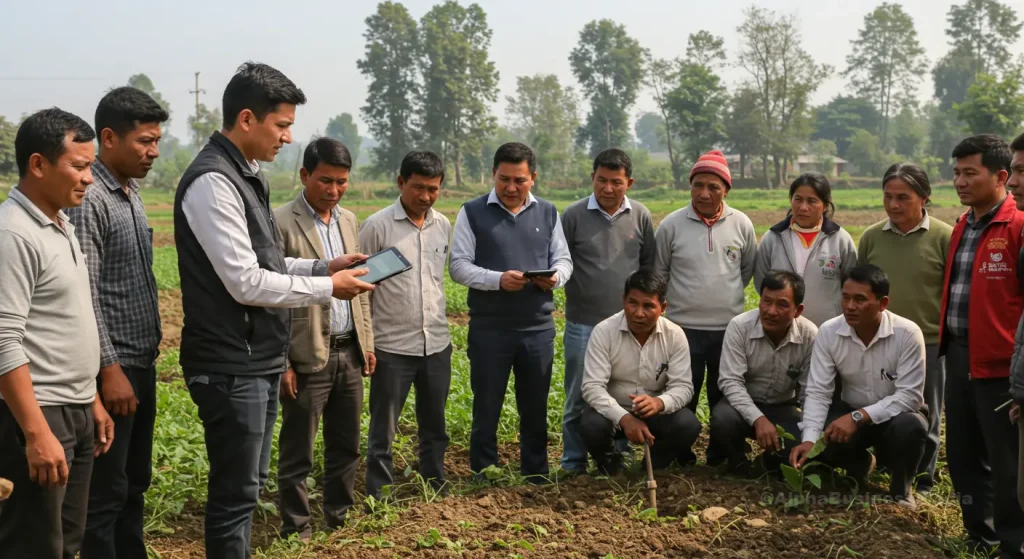
Models of cooperation: joint ventures, strategic partnerships, co-marketing, etc.
Selecting an appropriate cooperation model is a fundamental step in forming a strategic alliance for growth in Nepal’s domestic market. There is no one-size-fits-all solution; the optimal structure depends on the specific objectives of the alliance, the partners’ available resources, the desired degree of integration, and the willingness to share risks and benefits.
- Joint ventures (JV): This model involves the creation of a new, jointly managed legal entity. JVs are often used to implement large, capital-intensive projects that require significant investment and the combination of unique competencies from each partner. In the Nepalese context, this may be relevant for projects in the field of infrastructure, energy, or the creation of large-scale manufacturing facilities.
- Strategic partnerships (non-equity alliances): This is a more flexible form of cooperation that does not require the creation of a new legal entity. Partners agree to work together on specific projects, exchange technologies, share distribution channels, or conduct R&D. Such alliances can be less formal and more easily adapt to changing conditions.
- Co-marketing and joint promotion: Companies combine their marketing efforts to promote complementary products or services. This allows them to expand their reach to a target audience and share marketing costs. For example, a food manufacturer might partner with a retail chain to run joint promotions.
- Licensing and franchising: Although these are specific forms, elements of licensing (such as transferring rights to use technology) or franchising (transferring a business model) may be part of a broader strategic alliance.
The correct choice of the alliance model, taking into account the specifics of the Nepalese market and the goals of the partners, lays the foundation for its successful implementation and achievement of a synergistic effect.
Common goals, pooling resources and risk management.
For the alliance to function effectively in Nepal’s domestic market, it is critical that the common goals and expected results are clearly defined and understood by all participants. This creates a common vision and direction for joint activities.
Pooling complementary resources is a key source of synergy in an alliance. These may include:
- Technologies and know-how: Exchange of advanced technologies, patents, and production experience.
- Client bases and distribution channels: Access to new customer segments or a wider distribution network.
- Production capacity: Sharing or optimizing production sites.
- Human capital: Bringing together teams with different skills and experiences.
- Financial resources: Joint investment in projects or sharing of financial costs.
Equally important is the development of joint risk management mechanisms. Alliances are exposed to various types of risks, including financial (e.g., failure to achieve profit targets), operational (production chain disruptions, quality issues), reputational (negative impact of one partner’s actions on another), and strategic (changes in market conditions, divergence in the partners’ long-term goals). Effective risk management involves identifying them, assessing their likelihood and potential damage, and developing joint plans to minimize or respond to them. Alignment of goals, effective use of pooled resources, and proactive risk management maximize the benefits of the alliance and minimize potential conflicts between partners.
Using technology and innovation within alliances.

Technology and innovation are increasingly playing a vital role in enhancing the competitiveness of Nepalese companies. Strategic alliances can be a powerful tool for jointly implementing and leveraging cutting-edge solutions, especially for small and medium enterprises (SMEs), which often lack the resources to invest in expensive technologies on their own.
In Nepal’s agriculture, a key sector of the economy, digitalization is opening up new opportunities. Platforms like GeoKrishi provide farmers with access to important information, including hyperlocal weather forecasts, up-to-date market prices for produce, agro-advisory services, and support for climate-smart farming practices.47Other digital solutions such as Kisan App (an app for farmers) and Tele Plant Doctor App (an app for diagnosing plant diseases) are also contributing to the modernisation of the agricultural sector.48Alliances between developers of such technologies, agribusinesses and farmer cooperatives can significantly accelerate the dissemination and integration of these innovations.
Implementation of customer relationship management (CRM) systems is another important area. Digital tools like CRM allow improving the quality of customer service, making more informed management decisions and optimizing business processes, which is especially relevant for SMEs.49Companies like Nest Nepal, who are authorized partners of Zoho CRM, offer customization, integration, and support services for these systems in Nepal.51Alliances can jointly invest in the implementation of CRM systems to improve customer interactions and increase sales efficiency.
However, there are barriers to technological transformation. These include the lack of digital infrastructure (especially in rural areas), limited consumer trust and awareness of digital products, and the need for a more robust regulatory framework governing digital technologies.52, as well as lack of knowledge, budget constraints and concerns about data security among the companies themselves.53Alliances can help overcome these barriers by jointly investing in infrastructure development, conducting training programs for staff and customers, and collectively lobbying for an improved regulatory environment.
Given the high degree of fragmentation of Nepalese businesses, where more than 90% of firms are classified as SMEs and many of them operate in the informal sector29, as well as their limited access to funding and technology.29, alliances between SMEs can become not just a growth strategy, but a vital mechanism for survival and formalization. Pooling resources allows achieving the scale necessary to increase competitiveness, implement innovations and interact more effectively with the market. Individual SMEs find it difficult to invest in expensive technologies such as modern CRM systems51or advanced agricultural equipment.25Alliances allow these costs and risks to be shared, equipment or technology to be shared, and made more accessible. This, in turn, can lead to increased efficiency, a shift to more formal business practices (through the introduction of standardized practices and accounting systems), and, as a result, improved access to bank financing in the future.
Successful implementation of digital platforms in agriculture, as exemplified by GeoKrishi47and Kisan App48, points to significant potential for alliances between technology start-ups and traditional agricultural businesses or cooperatives.54Such partnerships can be a catalyst for modernizing Nepal’s entire agribusiness sector. Tech startups develop innovative solutions31, but they often lack direct access to a broad base of farmers and a deep understanding of the specifics of work “on the ground.” Agricultural cooperatives and enterprises, on the other hand, have this access and knowledge of the local context, but may lag behind in technological terms.54An alliance between these two types of organizations allows for the combination of their strengths: the technological expertise of a start-up and the market reach/knowledge of a cooperative. This can lead to faster and more effective innovation across the sector, helping to improve the productivity and sustainability of Nepalese agriculture.
Examples of successful internal alliances.
Although the materials provided do not contain direct cases of classic B2B alliances between Nepalese companies for growth in the domestic market, it is possible to analyze existing models of successful cooperation that illustrate the principles of partnership.
For example, the GeoKrishi project, a digital agricultural platform, actively collaborates with farmer cooperatives and municipalities to distribute its services and train farmers in climate-smart farming practices.47The partnership, while not a pure alliance between two commercial companies, demonstrates how a tech startup can join forces with existing entities to achieve broader market reach and social impact. Cooperatives and municipalities gain access to cutting-edge technology and data, while GeoKrishi expands its user base and contributes to the modernization of agriculture.
Another example of a technology alliance aimed at improving the customer experience and expanding reach is the collaboration between the Fonepoints loyalty program and IMS Software. This integration allows Fonepoints users to instantly receive discounts at more than 20,000 merchants using the IMS Software billing system.58This alliance is beneficial to both parties: Fonepoints increases the value of its loyalty program, and IMS Software provides its merchant clients with an additional tool to attract and retain customers.
Analyzing such successful partnerships, even if they do not always fit the strict classification of B2B alliances, can provide valuable insights into collaboration models that work effectively in the Nepalese context and serve as a guide for companies considering strategic alliances for growth in the domestic market.
Prevalence of Afno Manche (personal ties) practice in Nepal39may have a dual effect on the formation of effective internal alliances. On the one hand, existing trust networks based on family, friendship or community ties can significantly speed up the process of finding partners and establishing initial contact. The trust that already exists within these networks can be a good starting point for business cooperation. However, on the other hand, alliances formed solely on the principles of nepotism or favoritism, without due consideration of the real competencies, resources and strategic goals of the partners, are likely to be ineffective and unstable. Such alliances may lead to the exclusion of more competent but “foreign” potential partners, which will ultimately weaken the competitiveness of the alliance itself. Therefore, successful alliances in the Nepalese context will be those that can find a reasonable balance between using existing trust networks to identify and initially evaluate partners and then conducting rigorous, objective selection based on their real contribution and strategic compatibility.
Table: Comparative Analysis of Strategic Alliance Models for Nepalese Companies

Sources: General knowledge of alliance models; adaptation to Nepalese context based on.29
Strategic alliances for entering export markets

Search and partnership with international distributors, agents or complementary businesses.
For Nepalese companies looking to enter international markets, establishing partnerships with overseas distributors, sales agents, or companies offering complementary products and services is a key success factor. The first step is to carefully identify target export markets. The analysis should take into account Nepal’s current trade flows – the main partners are India, China, the United States, and the European Union61, as well as the demand for Nepalese products and the level of competition in potential markets.
An active search for partners can be carried out through participation in international industry exhibitions, the use of online B2B platforms (for example, B2BMap65 or Swadeshi 66, aimed at Nepalese producers) and participation in trade missions organized by government or industry structures. When choosing an international partner, special attention should be paid to its experience in the target market, reputation, availability of a developed sales network and understanding of the specifics of local consumer behavior.
International partners play an invaluable role in providing access to local market knowledge, regulatory environments, distribution channels, and consumer preferences. This is especially important for Nepalese companies entering unfamiliar territory for the first time, as it helps avoid costly mistakes and speed up the market penetration process.
Overcoming export barriers: logistics, quality standards, certification.

Nepalese exporters face a number of significant barriers, often requiring significant resources and expertise to overcome. Strategic alliances can play a key role in addressing these challenges.
- Logistics: Nepal’s landlocked geography creates significant logistical difficulties and results in high transportation costs.67Although there are alternative trade routes, such as through Tibet70, the bulk of trade traditionally takes place through India. Border crossings such as Birgunj and Kakarbhitta can also be fraught with complications and delays.72Alliances with international logistics companies or partners with experience in organizing cross-border transport and knowledge of optimal routes can help Nepalese companies significantly optimize their supply chains and reduce logistics costs.
- Quality standards and certification: Compliance with international quality standards and the necessary certifications are a prerequisite for access to most export markets. For example, for export to India, certification from the Bureau of Indian Standards (BIS) is required.74, and for agricultural products, Nepal Good Agricultural Practices (NepalGAP) certification may be relevant.75One of the challenges for Nepalese exporters is the lack of sufficient accredited testing laboratories in the country, forcing them to seek costly certification abroad.36Strategic alliances can help in this regard by jointly investing in the creation or modernization of laboratories, jointly undergoing certification procedures for a group of products, or using the partner’s existing certified production facilities and quality systems.
- Quality of service: Maintaining a high level of customer service is essential to operating successfully in export markets. This includes reliability of supply, prompt response to inquiries, competent staff and effective complaints management.76Partners with experience in international markets can help implement best practices in customer service.
Nepal’s dependence on India as a major trading partner (India accounts for about two-thirds of the country’s exports and imports)61) creates a certain vulnerability for the Nepalese economy. Historical examples of trade blockades by India78clearly demonstrate the risks of such a concentration. In this context, strategic alliances with partners from other countries and regions – for example, with Bangladesh (for the export of electricity80or agricultural products82), China61, countries of the European Union1 or the United States – are becoming strategically important not only for increasing export volumes but also for diversifying sales markets. This helps reduce economic dependence on one partner and increase the resilience of the export sector to external shocks, which is a strategic imperative for Nepal’s long-term economic security.
Analysis of target export markets and adaptation of products/services.
Successful entry into export markets is impossible without a deep understanding of their specifics. Nepalese companies need to conduct thorough research into consumer preferences, cultural characteristics, competition levels, and the regulatory environment in each target market. The information gained from such analysis should form the basis of product adaptation and marketing strategies.
Adaptation may involve changing the product packaging, labeling (to suit local requirements and language), adjusting the product characteristics (e.g. taste for food products), or developing specific marketing campaigns that take into account the cultural codes and communication channels popular in the market. Without such adaptation, even high-quality Nepalese products may not find demand in foreign markets. Partners already operating in the target market can provide invaluable assistance in this process by sharing their experience and knowledge of local consumers.
Use of trade agreements and government support for export-oriented agriculture.
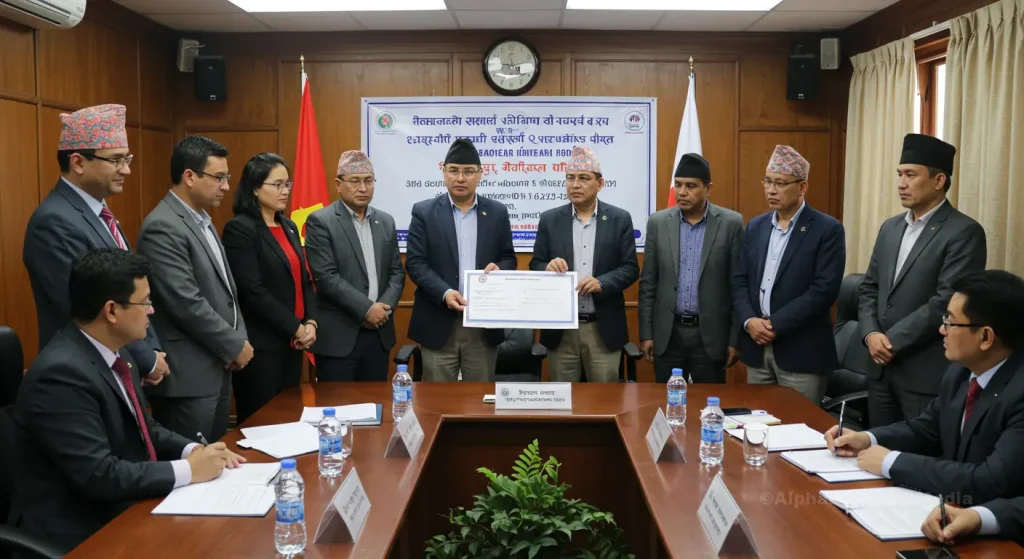
Nepal is a party to several bilateral and multilateral trade agreements that can facilitate access of its goods to foreign markets. For example, there is a transit agreement with Bangladesh via India, opening up trade opportunities with that country.80Nepal also maintains trade relations with China and other countries.61
The Nepalese government is making efforts to support export-oriented industries, especially in agriculture. These measures may include subsidies for organic producers, investments in improving agricultural and transport infrastructure, and facilitating the participation of Nepalese companies in international trade exhibitions and fairs.34Key policy documents such as the Agricultural Development Strategy (ADS) and the National Trade Integration Strategy (NTIS) identify priority agricultural commodities for export, including cardamom, ginger, tea, jute and pulses.34
Strategic alliances can help Nepalese companies more effectively take advantage of existing trade agreements (for example, by pooling volumes to meet minimum order quantities or sharing logistics) and access government export support programs.
The problem of “brain drain”15and the general shortage of skilled labor in Nepal24directly affect the country’s ability to produce high-quality export-oriented products and effectively manage complex export operations. Compliance with international quality standards36and availability of skilled personnel are key factors for success in global markets. Alliances with foreign companies that are willing to invest in training local personnel, transferring modern technologies and implementing international quality management standards are becoming critical to enhancing the competitiveness of Nepalese exports. Such collaborations will not only improve the quality of specific export products but will also contribute to the overall improvement of the skill level of the country’s workforce, creating a long-term positive effect.
State support for export34and various agricultural modernization initiatives such as the Prime Minister’s Agricultural Modernization Project (PMAMP)87, create generally favourable framework conditions for the formation of export-oriented alliances, especially in the agricultural sector. However, as the data show, there is a serious problem of inefficiency and lack of transparency in the distribution of state subsidies.93For example, it was reported that up to 35% of subsidies intended for farmers went to commissions for officials.96This means that alliances should not only seek to leverage existing support programs, but also develop strategies to navigate these often complex and opaque systems. Moreover, by joining forces, alliances can collectively lobby for improved government support mechanisms, achieving greater transparency, efficiency, and results-orientedness that will ultimately benefit the entire export sector.
Table: Nepal’s Major Agricultural Exports and Alliance Potential

Data sources:.2
Collective lobbying and promotion of common interests at the state level

Establish industry associations and consortia to increase influence.
In the Nepalese economy, where individual companies, especially small and medium-sized ones, may have difficulty communicating their interests to government bodies, industry associations and consortia are becoming an important tool for leveraging collective influence. Organizations such as the Federation of Nepal Chambers of Commerce and Industry (FNCCI) and the Confederation of Nepalese Industries (CNI) are already playing a significant role in serving as a bridge between the private sector and government.106Forming strategic alliances may also involve creating more specialized consortia to address specific industry issues or promote joint projects. A collective voice is always more persuasive and has a better chance of being heard when interacting with government agencies.
Identification of common barriers and areas for government support.
For effective lobbying, it is essential to clearly identify the common problems that businesses face and formulate specific proposals to address them that require government support. In Nepal, such barriers include:
- Infrastructure limitations: Insufficient development of transport infrastructure (roads, logistics centers), energy and communications is a serious obstacle to business growth and cost reduction.4The World Bank notes that its cooperation with Nepal has produced notable results in road construction and hydropower development.68
- Inefficiency of the subsidy system: This problem is particularly acute in agriculture, where there are significant difficulties with the transparency and efficiency of subsidy distribution.93It was reported, for example, that a significant portion (up to 35%) of subsidies intended for farmers went to commissions for officials.96
- Regulatory environment: Further reforms are needed to improve the investment climate, simplify business procedures and reduce administrative barriers.4The Nepalese government has announced plans to introduce an integrated agricultural policy and implement reforms aimed at improving investment attractiveness.84
- Tax policy: Taxation issues, including capital gains tax on the sale of shares115and customs duties, which form a significant part of the state budget revenues117, require constant dialogue between business and government to find balanced solutions.
Despite the existence of formal lobbying channels through the FNCCI and CNI108, the cultural factor of “Afno Manche”39, probably plays a significant informal role in the success of lobbying efforts. Alliances whose members have strong connections in political and administrative circles may have a certain advantage in advancing their interests. This creates a difficult dilemma between the need to adhere to a meritocratic approach based on the strength of arguments and economic feasibility, and the pragmatism of using existing informal networks to achieve goals. Successful lobbying strategies in Nepal are likely to be those that can effectively combine formal methods with skillful use of informal channels of influence, without crossing ethical boundaries.
Strategies for effective interaction with government agencies.
Effective lobbying for business interests requires a systematic and thoughtful approach. Key strategies include:
- Preparing reasoned proposals: All initiatives and proposals submitted to government agencies must be carefully developed, based on reliable data, economic analysis and clearly demonstrate the expected benefits for the country’s economy or a specific sector.
- Using official channels: Interaction should be carried out through established official channels, such as relevant ministries, departments, parliamentary committees and specially created advisory councils.
- Information support: Involving the media and the general public to explain the business position and to build positive public opinion around proposed reforms can increase pressure on decision makers.
- Building long-term constructive relationships: It is important not only to solve immediate problems, but also to build long-term relationships with government officials based on mutual respect and understanding. In doing so, it is necessary to take into account the cultural characteristics of Nepalese society, such as hierarchy and the importance of personal contacts (see Section 2).
The Government of Nepal has declared its readiness to collaborate with the private sector and take into account its proposals in developing economic policies108creates a certain “window of opportunity” for alliances. However, to prevent this window from closing due to political instability, which is characteristic of Nepal10, or due to ineffective implementation of decisions already made87, business alliances must act proactively and in a consolidated manner. Simply listing the problems is not enough; it is necessary to offer the government well-developed, practically feasible solutions, supported by calculations and analysis of potential consequences. In addition, alliances must be prepared for long-term interaction with the authorities to monitor and control the implementation of decisions made, ensuring their real implementation.
The role of FNCCI, CNI and other chambers of commerce.
The Federation of Nepal Chambers of Commerce and Industry (FNCCI) and the Confederation of Nepalese Industries (CNI) are the country’s leading business associations, playing a key role in representing and protecting the interests of the private sector.106These organizations serve as important platforms for developing a consolidated business position on current economic issues and subsequently communicating it to the government and other government agencies.
FNCCI, for example, has been actively advocating for increased budgetary allocations for agricultural development and providing farmers with essential inputs such as fertilizers, quality seeds and modern technology.84CNI, in turn, focuses on issues of development of large and medium-sized industries, promoting the interests of the manufacturing sector.60
The Government of Nepal recognizes the important role of these business associations and generally listens to their views in formulating economic policies and legislation.108FNCCI’s involvement in bilateral trade discussions, such as with India, also highlights their influence in shaping the country’s foreign economic policy.108
For individual companies and strategic alliances, active participation in the work of these chambers and the use of their resources can significantly enhance lobbying potential. Through membership in the FNCCI, CNI or other specialized associations, companies have the opportunity to participate in the formation of the general business agenda, gain access to relevant information and analytics, and use the authority and connections of these organizations to advance their interests at the state level.
The problem of inefficient distribution of subsidies, especially in agriculture, where a significant portion of budget funds is spent on purchasing fertilizers94, is a common pain point for many Nepalese companies. This inefficiency93 reduces the positive impact of state support on the development of the sector. Individual companies may not have enough influence to achieve systemic changes. However, alliances that unite various players in the agricultural sector – producers, processors, exporters – could develop and jointly lobby for the introduction of more transparent and effective mechanisms for distributing state support. Such proposals could include a transition to targeted subsidies based on specific performance indicators, or the introduction of digital systems for monitoring the distribution of subsidies93, which would resonate with a government seeking to improve the situation (the creation of a special group to investigate abuses in the area of subsidies is mentioned89).
Building and Maintaining Successful Alliances: Best Practices
Clear communication, transparency and mutual respect.
The foundation of any successful alliance is open and regular communication, complete transparency in decision-making and allocation of resources and profits, and deep mutual respect for the culture, values and business processes of each partner.
- Communication: It is necessary to establish a constant and honest exchange of information between all members of the alliance. This includes both formal channels (reports, meetings) and informal communication that helps strengthen personal contacts.
- Transparency: Partners should have a clear understanding of the financial flows within the alliance, the principles of profit distribution, and the procedures for making key decisions. Open-Book Management practices, in which employees (and in the context of an alliance, partners) are provided with relevant operational and financial information, can significantly increase trust and engagement.123Although the concept is primarily focused on internal employees, its principles of transparency are equally applicable to inter-firm alliances.
- Mutual respect: A successful alliance requires partners to respect each other’s unique characteristics, including corporate culture, management style, traditions, and values. This is especially important in cross-cultural alliances where differences can be significant.
In the Nepalese context, where personal relationships and trust are of utmost importance37, the “soft” aspects of alliance management – such as building strong interpersonal relationships, demonstrating respect, and resolving conflicts with face for all parties – may be even more important than formal structures and legally binding contracts. Underestimating these aspects is a recipe for alliance failure. Western alliance models often emphasize detailed agreements and formal control mechanisms. In Nepal, while these are important, the long-term success of an alliance will depend more on the quality of the personal relationships between key representatives of the partner companies.37If trust is broken or one of the parties feels that their “face” has been hurt during the interaction37, even the most perfect formal agreements may not save an alliance from disintegration. Therefore, investing time and effort in building and maintaining these relationships, as well as developing managers’ specific “soft” skills and cultural intelligence, are critical to success.
Effective Alliance Management Structures.
To ensure smooth operation and achievement of the set goals, the alliance needs a clear and effective management structure. This may include:
- Establishment of a joint governing body: For example, a steering committee or council of the alliance, which includes representatives of all partner companies. This body should be responsible for the strategic management of the alliance, making key decisions and monitoring their implementation.
- Clear definition of roles and responsibilities: Each partner must clearly understand their area of responsibility, contribution to the common cause and expected results.
- Development of procedures: Procedures for decision-making (e.g. consensus or voting), monitoring progress towards achieving alliance goals, and regular reporting to all members need to be developed and agreed upon.
Having structured management ensures the necessary coordination of actions, increases the accountability of partners and allows for the timely identification and resolution of emerging problems, contributing to the overall effectiveness of the alliance.
Conflict resolution mechanisms adapted to Nepalese culture.
Conflicts and disagreements are inevitable in any cooperation, and strategic alliances are no exception. It is important to envisage mechanisms for their resolution in advance that are effective and take into account the cultural specifics of Nepal.
Given the high importance of the concept of “saving face” and the prevalence of the indirect communication style37, preference should be given to informal methods of dispute resolution, such as negotiation, mediation, and compromise solutions that allow all parties to maintain dignity. Involving respected and neutral mediators trusted by all alliance members can be very effective.
It is advisable to include in the alliance agreement a step-by-step procedure for resolving conflicts, starting with direct negotiations between representatives of the partners at the appropriate level and, if necessary, moving on to mediation. Formal legal procedures and going to court42, given their complexity and high cost in Nepal, should be considered as a last resort when all other options have been exhausted.
The Afno Manche Principle39, if present in relationships between key individuals of partner companies, can serve as an informal mechanism for ensuring accountability and fulfillment of commitments. If the partners’ representatives are part of the same Afno Manche circle, this creates an additional layer of informal commitment to each other. Violating these commitments can result in a loss of reputation within that circle, which is a strong deterrent and can increase the partner’s reliability. However, it also carries the risk of bias if the interests of “their people” are put above the overall interests of the alliance, which can harm cooperation.
Continuous evaluation and adaptation of alliance strategies.
The business environment, both domestic and international, is constantly changing. For a strategic alliance to remain effective and achieve its goals, it requires regular assessment of its performance and a willingness to adapt strategies.
This includes:
- Regular analysis: Periodically assess progress towards the agreed objectives of the alliance and its contribution to the success of each partner.
- Flexibility: Willingness to revise and adapt initial strategies, operational plans, and even alliance structure in response to changing market conditions, new opportunities, or unforeseen challenges.
Given the limited resources of many Nepalese companies, especially SMEs,29, and the complexity of formal conflict resolution systems42, alliances should build into their structure from the outset mechanisms for mutual support and flexible response to unforeseen difficulties of one of the partners. If one of the alliance members faces temporary financial or operational problems, and formal support mechanisms (e.g., legal protection of rights) are weak or expensive, the alliance can easily collapse. Therefore, the alliance agreement or its informal arrangements should provide for mutual assistance mechanisms, such as temporary redistribution of resources, joint search for solutions, or provision of support, based on the principles of long-term partnership rather than short-term benefit. This significantly increases the resilience of the alliance in an unstable economic environment and contributes to its long-term success.
Table: Key Success Factors and Risks in Forming Alliances in Nepal

Sources: Synthesis of data from.37
Conclusion and strategic recommendations for Nepalese companies

A summary of the strength of strategic alliances in the Nepalese context.
In the context of the contemporary Nepalese economy, characterized by both significant potential and a number of structural challenges, strategic alliances are no longer just another possible business development tactic but are becoming a key tool for achieving sustainable growth, implementing innovations, developing new markets and increasing the influence of companies. The benefits of alliances, such as access to additional resources (financial, technological, human), sharing risks and costs, increasing overall competitiveness and overcoming barriers specific to Nepal (e.g., logistical or related to access to technology), make them indispensable for companies of all sizes seeking to grow.
Actionable advice on finding partners, structuring deals and achieving joint goals.
To ensure that Nepalese companies can fully realize the potential of strategic alliances, they should follow these guidelines:
- When searching for partners:
- An integrated approach to assessment: It is necessary to combine formal due diligence methods (financial analysis, legal verification) with the active use of informal networks and analysis of the potential partner’s reputation through word of mouth (WOMM).
- Multifaceted criteria: Assess not only financial performance, but also the quality of management, level of customer focus, cultural compatibility, ethical standards and long-term vision of the partner.
- Understanding hierarchy and relationships: Pay particular attention to studying the hierarchical structure of a potential partner and the influence of his informal networks (“Afno Manche”) on decision-making.
- When structuring alliances:
- Clarity and transparency: Clearly define the overall goals of the alliance, the roles and responsibilities of each member, and the mechanisms for sharing future benefits and risks.
- Flexibility of control: Develop flexible alliance management structures that can adapt to changing market conditions and partner needs.
- Culturally adapted mechanisms: Include in the alliance agreement conflict resolution mechanisms that take into account Nepalese cultural specificities, such as the importance of “saving face” and indirect methods of communication.
- To achieve common goals:
- Investing in relationships: Actively invest time and effort into building and maintaining trusting personal relationships with key representatives of partner companies.
- Open communication: Ensure a high level of transparency and regular exchange of information between alliance members.
- Collaborative Innovation: Consider opportunities for joint investment in new technologies, R&D and innovative projects to enhance overall competitiveness.
- Export orientation: To enter international markets, focus on improving product quality, obtaining the necessary certifications and optimizing supply chains through partnerships with experienced international players.
- Collective lobbying: Join forces with other companies through industry associations to advance common interests by offering government constructive and data-driven solutions to improve the business climate.
The success of strategic alliances in Nepal will be determined to a large extent not so much by the complexity and detail of the legal agreements, but by the ability of the participating companies to integrate a deep understanding of the local culture (including hierarchy, the role of the Afno Manche, the importance of “saving face”) into the day-to-day practice of alliance management. This requires managers to develop specific “soft” skills and a high level of cultural intelligence that will enable them to effectively navigate the complex system of Nepalese business relationships and build truly strong and mutually beneficial partnerships.
Call to Action: The Need for a Proactive Approach to Alliance Formation.
Nepalese companies should not passively wait for the ideal conditions or ideal partners to emerge. Instead, they need to be proactive and actively seek out and create opportunities for collaboration both domestically and internationally. Given the dynamically changing global and regional economic environment, the ability to quickly form effective alliances is becoming a critical competitive advantage.
For Nepalese companies, especially SMEs, alliances can be a way not only to expand their market position or acquire new technologies, but also an important tool for enhancing their legitimacy and credibility in the eyes of larger players, potential investors, and government agencies. Partnering with a well-known local or international company can significantly improve the perception of an SME, facilitate access to finance (banks and investors may be more inclined to cooperate with an alliance that includes a reliable and recognizable partner), and simplify interactions with government agencies, for example, when obtaining licenses, permits, or accessing support programs. This “halo effect” of being in an alliance with a strong partner can be a very valuable asset for development.
In the long term, Nepal’s alliance strategy needs to go beyond simply finding partners to solve current business problems. Nepalese companies can join forces through their industry associations108, should be actively involved in creating a more conducive ecosystem for partnership development in the country. This could include developing and promoting educational initiatives on alliance formation and management, disseminating best practices and ethical standards for joint business, and participating in the development of public policies to support cooperation, joint ventures, and investment in partnership projects. Such a shift from the tactical use of alliances to the strategic shaping of the environment for their development will create a more fertile ground for future partnerships, attract more foreign investors interested in forming alliances with Nepali companies, and ultimately contribute to the overall economic growth and prosperity of Nepal.businesses that will thrive in Nepal for years to come.
Source used
- ON THE DOMESTIC POLITICAL SITUATION IN NEPAL – Ministry of Foreign Affairs of the Russian Federation
- General Statistics: Basic Information about Nepal – Nomad’s Land
- Unlocking Nepal’s Growth Potential : Nepal Country Economic Memorandum 2025
- Nepal: World Bank Report Outlines Key Reforms to Boost Growth, Create Jobs
- Nepal’s long-term growth may stall below 4 percent, World Bank warns
- Nepal and the IMF
- 2025 Monitoring Report – the United Nations
- Nepal’s Economy Expected to Remain Resilient in Face of Economic Shocks, says World Bank
- World Bank projects Nepal’s economic growth at 4.5 percent – myRepublica
- Nepal’s Economy Will Likely To Grow By 4.4 In Fiscal Year 2025: ADB
- ADB: Nepal To Grow By 4.4 Percent | New Spotlight Magazine
- FinMin Presents Economic Survey, Projects 4.61pc growth for current FY
- Nepal expects 4.61-pct growth for 2024-25 – Xinhua
- Publication: Nepal Development Update, April 2024: Nepal’s Economy on a Recovery Path but Private Investment Remains Low
- Breaking The Cycle Of Brain Drain – The Rising Nepal
- How economic inequality is driving youths abroad – The Annapurna Express
- The Role of Remittances in Household Spending in Rural Nepal – MDPI
- Remittance inflows pose Dutch Disease risk in Nepalese economy – CESLAM
- An Analysis of Causal Relationship between Remittances and Imports in Nepal
- Symptoms of Dutch Disease in Nepal
- April 2025 Analysis – CESIF Nepal
- NEFport 60 by Nepal Economic Forum – Issuu
- Brain Drain and Its Effects on Livelihood: An Analysis of Phalewas Municipality, Nepal
- Critical Labour Shortages in the Nepalese Tourism and Hospitality Sector Strategic Implications – ResearchGate
- Effect of Adopting Agricultural Technology on Farm Income of …
- Effect of Adopting Agricultural Technology on Farm Income of Commercial Vegetable Growers in Bagamati Province of Nepal – ResearchGate
- ADOPTION OF RIVERBED FARMING TECHNOLOGIES IN KAMALA …
- The Role of Agriculture and Agri-Tech Investments in Nepal During a Pandemic
- Why Nepal Struggles to Adopt Better Technology, And Alternative Routes to Development
- (PDF) Constraints on the use and adoption of information and communication technology (ICT) tools and farm machinery by paddy farmers in Nepal – ResearchGate
- 237,3k 51,5k 97% – GSMA
- Export and Import of Food Products in Nepal (Rs Billion) – ResearchGate
- Nepal’s agriculture imports exceed total export in first seven months
- sectoral profile – agriculture – Investment Board Nepal
- Nepal’s exports surge by 57% – The Rising Nepal
- Revisiting Nepal’s Top Exports: Gaps and Opportunities – Nepal Economic Forum
- Cultural Considerations in Nepal – Rivermate
- A Guide to Business Etiquette in Nepal | ClickUp™
- Afno Manche | PDF | Social Network – Scribd
- Word Of Mouth Marketing: A Great Way People Advertise Digital …
- Customer Satisfaction Score CSAT in Nepal | TCN
- Resource conflicts and conflict resolution in Nepal – HimalDoc
- (PDF) Resource Conflicts and Conflict Resolution in Nepal – ResearchGate
- Exploring Consumer Satisfaction and Service Quality at Bhatbhateni …
- (PDF) Exploring Consumer Satisfaction and Service Quality at Bhatbhateni Supermarket
- Social Media Marketing and Brand Awareness of Customers: Evidence from Nepal
- Digitising Agriculture in Nepal: GeoKrishi | Mobile for Development – GSMA
- Nepal | Digital Villages Initiative in Asia and the Pacific | Food and Agriculture Organization of the United Nations
- Impact of Digital Marketing on Business Performance of Small and Medium Businesses in Birendranagar, Surkhet – Nepal Journals Online
- Navigating the Digital Shift: Exploring the Impact of Technology on Management Practices in Small and Medium Enterprises (SMEs) – Nepal Journals Online
- Buy Zoho CRM in Nepal | Authorized Zoho Partner – Nest Nepal
- Development in Digital Capitalism: Challenges and Prospects of Nepal
- Exploring Sustainability in Cloud Computing Adoption among SMEs in Nepal: A Conceptual Model – Human Resource Management Academic Research Society
- The Role of Cooperative on the Socio-economic Growth and Stability – Nepal Journals Online
- Cooperatives as Pillar of Economy to Improve Agriculture Production …
- Digital Agriculture Forum (Digital Ag Nepal, 2024) – CIMMYT
- funder_partner: Nepal Seed and Fertilizer (NSAF) – CIMMYT
- Fonepoints x IMS Software: Redeem Discounts Instantly at 20000+ Counters Across Nepal
- Fonepoints and IMS Software Revolutionize Shopping with Seamless Discount Integration Across Nepal – || ShareSansar ||
- ARE CHAMBERS OF COMMERCE STILL RELEVANT? – Sabasta Rauniar – Business 360°
- Nepal’s Trade with its Giant Neighbours – NUS Institute of South Asian Studies (ISAS)
- Food Export from Nepal: Opportunities & Challenges
- Nepal – Mainstreaming trade policy – Food and Agriculture Organization of the United Nations
- Nepal – Agriculture, Tourism, Trade | Britannica
- B2B Business Platform in Nepal – B2BMAP
- Swadeshi- B2B Platform | Make in Nepal
- Vulnerability Profile of Nepal – the United Nations
- The World Bank in Nepal: Lessons on building institutions and Influencing policy
- Nepal ranking in the Global Innovation Index 2024 – WIPO
- Buddhism and the Trade Routes – Asia Society
- Tibet–Nepal salt trade route – Wikipedia
- MULTI-SECTORAL RISK ASSESSMENT OF SIX GROUND CROSSING POINTS ALONG THE NEPAL-INDIA BORDER
- Multi-sectoral Risk Assessment of Six Ground Crossing Points Along the Nepal-India Border
- Export hurdles ease as BIS certifies 129 Nepali firms – The Kathmandu Post
- Nepal Good Agricultural Practices Certification
- Quality Control Services in Nepal | Inspections & Factory Audits – Pro QC International
- Quality Monitoring and Management – Nepal Environmental & Scientific Services
- 2. SOCIO ECONOMIC IMPACT OF UNDECLARED BLOCKADE OF INDIA ON NEPAL
- 2015 Nepal blockade – Wikipedia
- Bangladesh to receive 40MW electricity from Nepal for 5 months | The Business Standard
- Nepal starts exporting electricity to Bangladesh
- Bangladesh, Nepal Sign Transit Deal, Likely Increase Trade – Foreign Policy Association
- Nepal Bangladesh: Trade Arrangements and Connectivity – Sawtee
- Private Sector Stresses Import Substitution and Export-Oriented Agriculture: Nepal Prepares for Integrated Agricultural Policy – Khagendra Awasthi – Ecosphere News Environmental & Developmental Issues
- Nepal’s Labor Market Dilemma: Bridging the Gap Between Workers and Employers
- 38176-015: Skills Development Project | Asian Development Bank
- Modernising Agriculture – The Rising Nepal
- Chinese project steers Nepal’s agricultural modernization – World – Chinadaily.com.cn
- 107 billion rupees spent on agricultural subsidy in five fiscal years | The Farsight Nepal
- (PDF) Prime Minister Agriculture Modernization Project (PMAMP), Nepal – ResearchGate
- ROLE OF PRIME-MINISTER AGRICULTURE MODERNIZATION PROJECT ON MAIZE VALUE CHAIN DEVELOPMENT AND TECHNOLOGY ADOPTION (A CASE STUDY – Index Copernicus
- Standard Expression of Interest (EOI) Document for Shortlisting of Consultants and Consulting Services
- When Help Hurts – GMC Nepal
- Nepal still awaits chemical fertilizer factory after four decades of delay – myRepublica
- Does Subsidizing Seed Help Farmers? Pulte Study Examines Nepal’s Rice Seed Subsidies
- Relationship between Agriculture Subsidy and Agricultural Production in Nepal. – Nepal Journals Online
- Minister Adhikari claims Rs107.66 billion in agricultural subsidies over five years
- agricultural support policy of nepal: cases of subsidies – International …
- Nepal still awaits chemical fertilizer factory after four decades of delay – myRepublica
- Indian gov’t aims to speed up EV subsidy claims to 5 days – Tech in Asia
- Assessment of Government Policies, Farm Subsidies, and Agriculture Growth | Request PDF
- Nepal’s agricultural trade within BIMSTEC – Sawtee
- Nepal – Food and Agriculture Organization of the United Nations
- Nepal’s Custom-Wise Trade in 2024/25: A Tale of Export Surge and Steady Import Growth
- Nepal Exports 1965-2025 – Macrotrends
- Accommodative Monetary Policy to spur the economy – The HRM Nepal
- NIES:-Nepal International Economic Summit 2025 – FNCCI
- At FNCCI’s 59th AGM inauguration, PM Oli emphasises collaboration with private sector for rapid development – Business 360°
- NRB governor pledges to align monetary policy with fiscal goals – myRepublica
- Status of fertilizer and seed subsidy in Nepal: review and recommendation
- Status of fertilizer and seed subsidy in Nepal: review and recommendation
- Does subsidizing seed help farmers? Nepal’s rice seed subsidies | Request PDF – ResearchGate
- Effect of Agricultural Subsidy on Farm Income of Commercial Vegetable Farmers of Makwanpur and Dhading Districts, Nepal – International Journal of Research and Review
- Right reforms – The Kathmandu Post
- Revenue advisory committee suggest tax reforms – The Kathmandu Post
- Understanding Nepal’s Taxation System – Leading Law Firm in Nepal
- The Relation of Direct and Indirect Taxes on Government Revenue collection of Nepal
- Customs revenue accounts for 40 percent of Nepal’s total revenue in FY 2023/24
- Government of Nepal Ministry of Finance Fiscal Policy Statement for Fiscal Year 2023/24 I. Introduction 1. Budget for fiscal y
- Revenue shocks & fiscal response – The HRM Nepal
- Situation Report on Nepal’s Agrifood Systems June 2024 | Bulletin Number 19
- Nepal Rastra Bank, Financial Stability Report 2024
- Rebellious Practices: The Power of Open-Book Management – Corporate Rebels
- Open-Book Management, FAQs & Explanations – The Great Game of Business